300,000 Stars: OpenClaw Just Became the Fastest-Growing Dev Project in GitHub History
Developers are voting with their stars. Prediction markets have not noticed the local-first AI revolution they are funding.
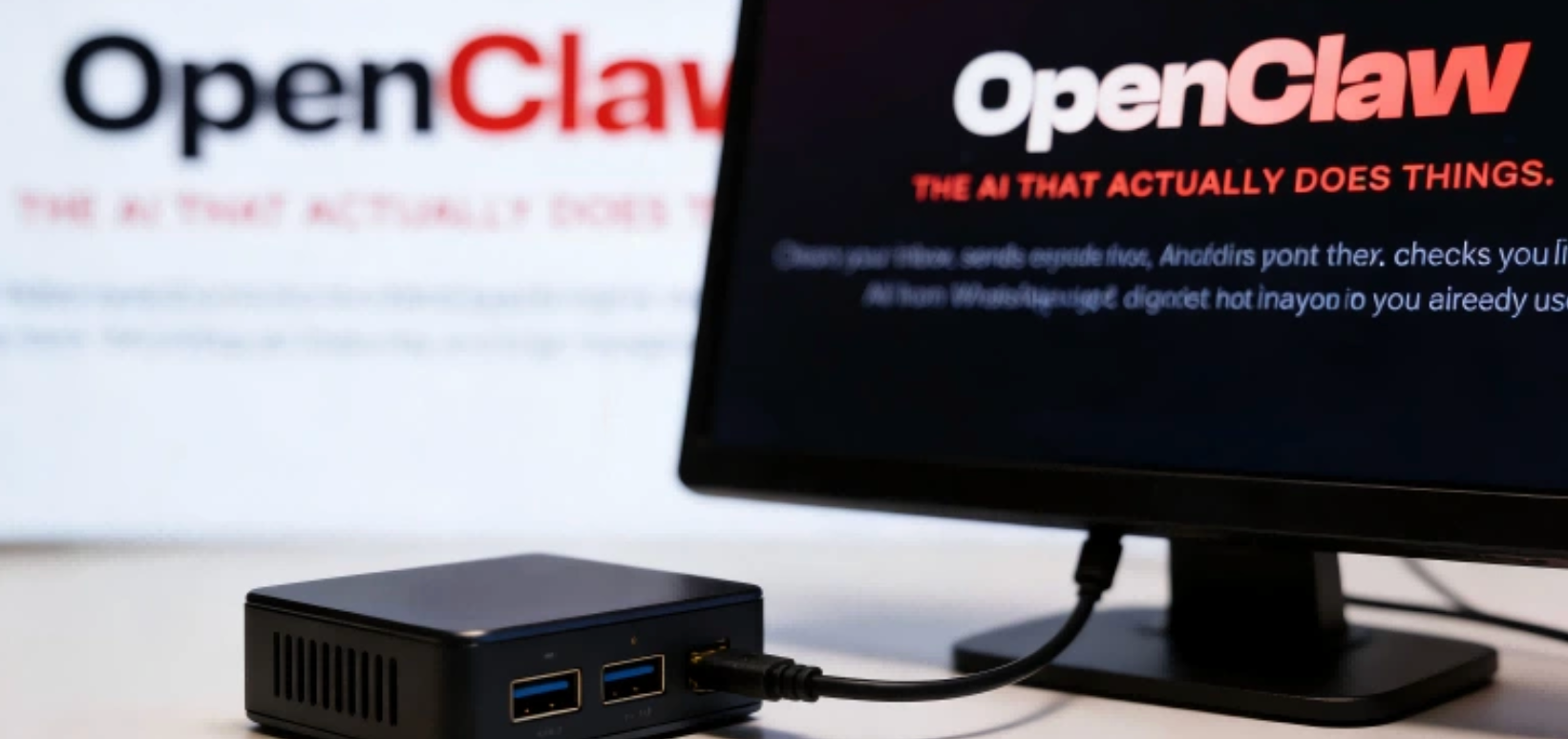
The numbers speak before the narrative does. OpenClaw, a curl-install, local-first AI agent framework, has surpassed 300,000 GitHub stars, overtaking React's peak growth trajectory and outpacing Linux as the hottest infrastructure project on the platform. Developers across Mac, Windows, and Linux are adopting an open-source agent framework that runs entirely on their own machines, with Telegram and Discord baked in.
The prediction markets tell a sharper story. Traders price the probability of OpenAI launching new consumer hardware at just 1% according to Polymarket, as of 02:05 GMT, 22 March 2026. That's not a hedge. That's a verdict: the market sees no future in proprietary AI reaching consumers through new devices. Yet 300,000 developers just declared, in the most concrete way possible, that they want AI agents they own and control locally. The money is flowing to one paradigm while the stars flow to its opposite.
This matters because the geopolitical backdrop makes local-first infrastructure strategically valuable, not just philosophically appealing. Markets price the probability of a Chinese invasion of Taiwan by end of 2026 at 11% according to Polymarket, as of 02:05 GMT, 22 March 2026, while a Russia-Ukraine ceasefire sits at just 34% according to Polymarket, as of 02:05 GMT, 22 March 2026. Both scenarios threaten the semiconductor supply chains that centralized AI services depend on. Enterprises watching those odds have a reason to prefer frameworks that run on existing hardware, disconnected from cloud dependencies that a supply shock could sever.
OpenClaw's trajectory is not a developer fad. It is the infrastructure layer of a local-first AI economy that prediction markets have not yet priced. The 1% on OpenAI hardware is the tell: traders see the proprietary model stalling. They just have not connected it to what's replacing it.
New to Polymarket?
Sign up via our link and get 6 months of Future Times Pro free — worth £30. Learn more