The Fed Cannot Cut. The Bank of England Can. That Gap Is the Story.
Central bank week exposes a transatlantic split: the US is trapped by oil inflation while Britain prepares to move.
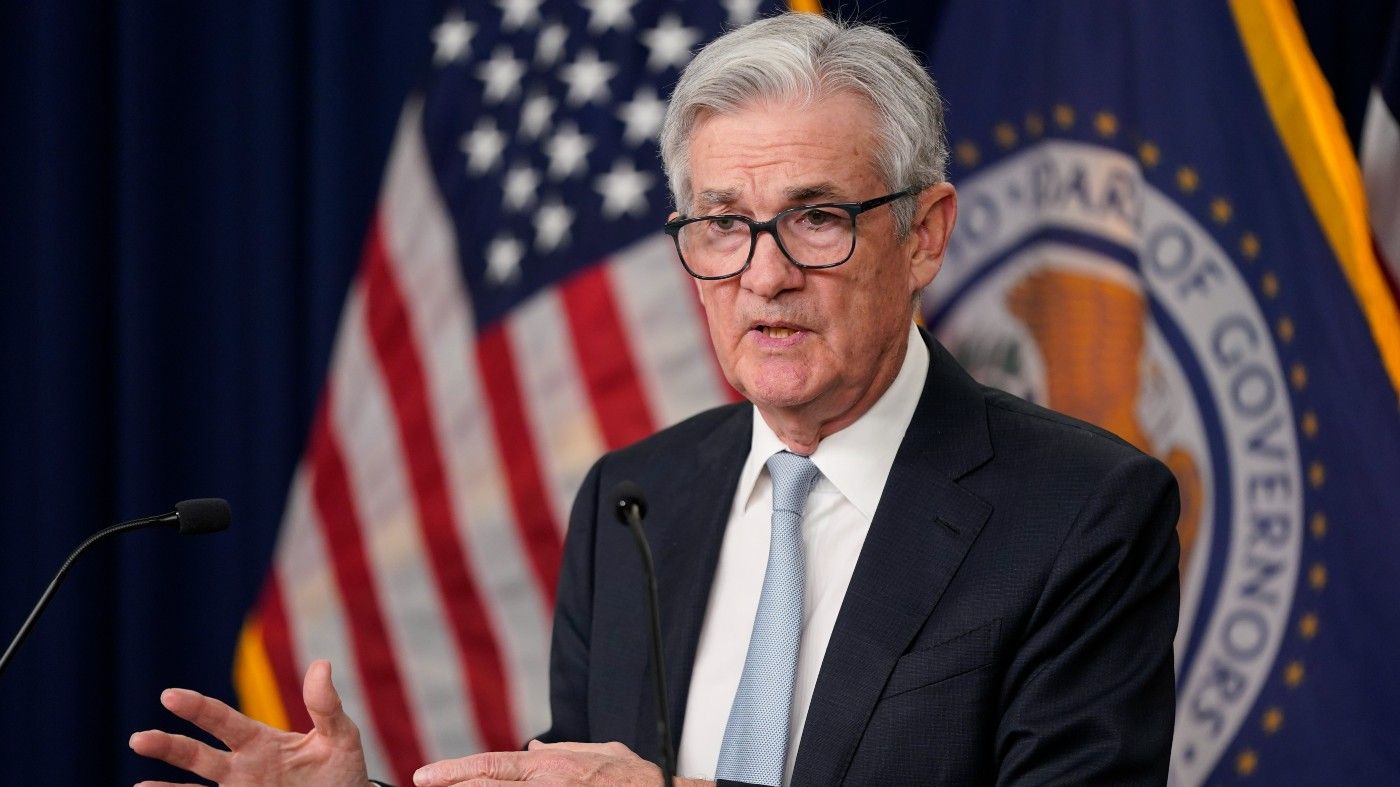
The Federal Reserve concludes its April meeting today with a rate hold that surprises nobody. The Bank of Canada confirmed the same posture hours earlier, keeping its policy rate at 2.25% for a second consecutive meeting. Tomorrow, the Bank of England is expected to cut by 25 basis points. Three G7 central banks, three decisions in 48 hours, and only one of them can actually move.
That divergence is the real story of central bank week. It is not about what any single institution decides. It is about why two of them cannot do what the third is about to.
Prediction markets now price a 44% probability that the Fed delivers zero rate cuts in all of 2026, on Polymarket as of April 29. Not one cut delayed. Not a cautious two instead of four. Zero. The market is pricing a year in which the Federal Reserve never eases at all.
The thesis behind that number is not complicated. It is oil. The Iran conflict has embedded a war premium into crude prices that refuses to fade. WTI traded above $96 last week. The IMF's Spring 2026 World Economic Outlook, published April 14, flagged the oil shock as a direct risk to the global disinflation timeline. With energy costs feeding into headline CPI and services inflation still sticky underneath, the Fed has no room to cut without reigniting inflation expectations.
Canada faces the same bind. The Bank of Canada's hold today cited trade uncertainty from US tariffs and residual inflation pressure. TD's post-decision analysis pointed to the Iran-driven energy premium as the factor keeping the BoC pinned. Governor Macklem cannot cut into an oil shock any more than Chair Powell can.
Britain's position is different, and that difference matters. The UK economy is weaker. Growth has stalled. Consumer confidence hit a 48-year low earlier this month. Energy pass-through dynamics in the UK operate on a different timeline: regulated price caps mean the oil spike feeds into household bills with a lag, giving the BoE a window the Fed does not have. Sterling's weakness against the dollar also means imported inflation pressures differ in kind.
The result is a transatlantic policy split that reveals the stagflation trap in its clearest form. The Fed cannot cut because US inflation is too persistent. The BoE can cut because UK growth is too weak to wait. Both are responding rationally to the same geopolitical shock. Neither outcome is comfortable.
What makes the 44% zero-cuts figure structurally significant is what it implies about the Iran premium. If traders believed the oil shock was transient, that number would be closer to 20%. A 44% reading says the market sees no credible path to crude normalisation this year. No ceasefire that sticks. No Hormuz reopening that holds. No diplomatic breakthrough that removes the energy floor under inflation.
The compounding problem is that the Fed's paralysis reinforces itself. Every month the Fed holds, financial conditions tighten marginally through forward guidance alone. Growth slows further. But the oil premium keeps inflation elevated, so cutting remains off the table. Vanguard's April 22 research note described the central bank outlook as significantly complicated by the oil shock. That is diplomatic language for trapped.
The FOMC statement due later today [MARKET DATA AT TIME OF WRITING] will almost certainly confirm a hold. The language around future guidance is what matters: any signal that the committee sees cuts as further away, not closer, would validate the zero-cuts thesis. A hawkish hold, rather than a patient one, would push that 44% higher.
Tomorrow's BoE decision carries its own signal. A 25-basis-point cut would confirm that at least one major central bank believes growth risk now outweighs inflation risk. If the BoE moves and the Fed does not, the policy divergence becomes a tradeable fact: dollar strength, gilt compression, and a widening rate differential that portfolio managers will need to position around.
Three central banks. One war. One oil premium. And only one of them free to act. Central bank week is not about the decisions themselves. It is about what the gap between them reveals: the Fed is stuck in a stagflation corridor with no visible exit, and every month the Iran conflict persists, the walls close in.
New to Polymarket?
Sign up via our link and get 6 months of Future Times Pro free — worth £30. Learn more