Traders Give Hormuz Resolution Eleven Days
Prediction markets price just 4.5% odds of the Strait of Hormuz reopening by May 15, revealing a hard negotiation deadline traders believe is already lost.
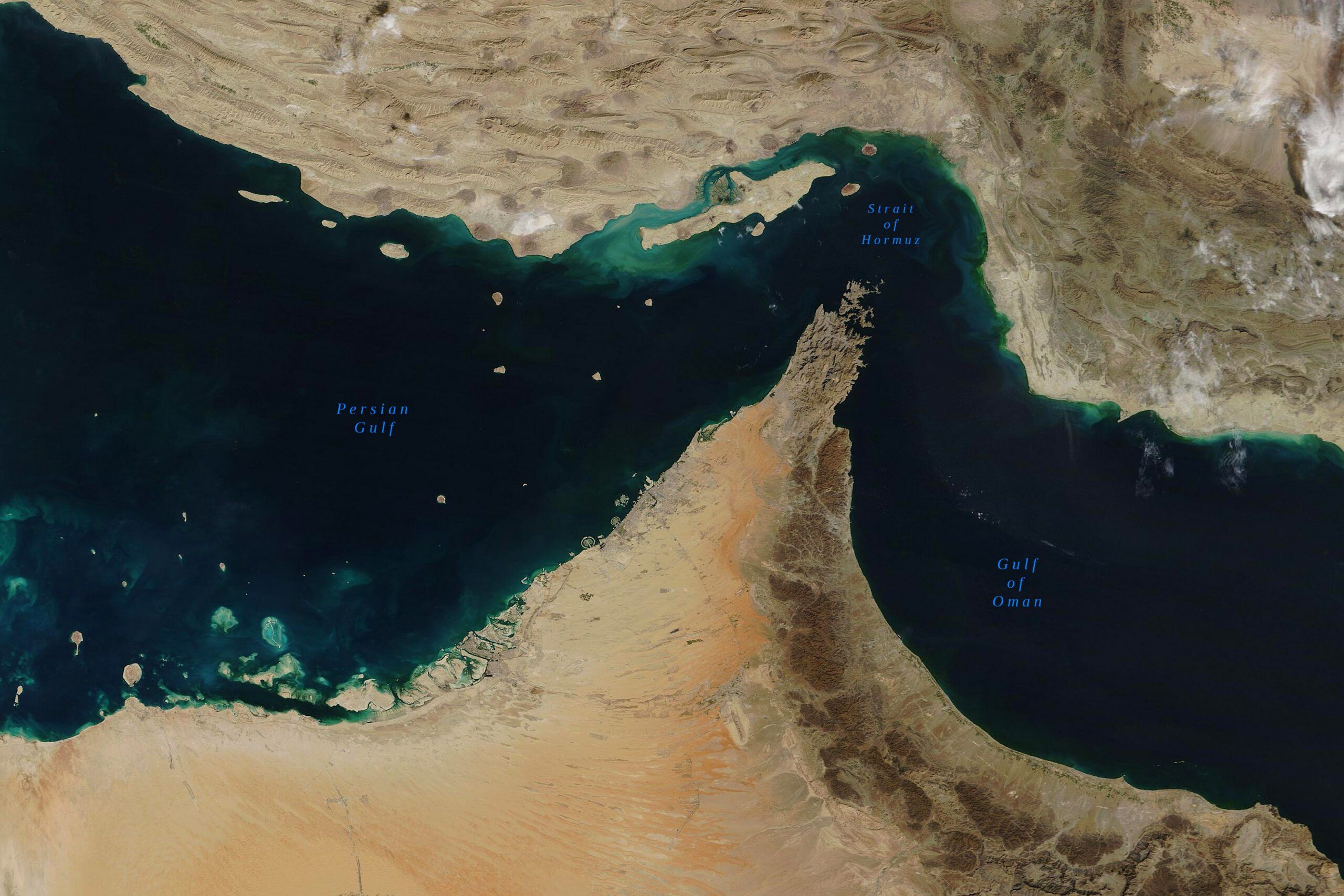
Prediction markets have priced a near-impossible window for the Strait of Hormuz to reopen, with a probability cliff that reveals a specific negotiation deadline traders believe is already slipping away.
Iran fired missiles near the Persian Gulf on Sunday, hours after President Trump told reporters that talks with Tehran were “very positive” and pledged the US Navy would “guide” ships trapped by the strait’s closure since mid-April. Iran’s response was immediate: any American naval involvement constitutes a ceasefire breach, making the diplomatic path narrower with each passing day.
The Hormuz crisis has entered a phase where rhetoric and reality are pulling in opposite directions. Washington frames the situation as progressing toward resolution. Tehran calls reopening “impossible” under current conditions. Prediction markets have chosen a side. On Polymarket, the probability of Hormuz traffic returning to normal by May 15 sits at just 4.5% as of May 4. That figure quadruples to 18.5% by end of May and climbs to 41.5% by end of June. The shape of that curve is more revealing than any single number: traders are not pricing gradual de-escalation. They are pricing a discrete decision window between mid-May and late June, with a hard gate around May 15 that almost nobody expects to open.
The structure of those odds tells a story about negotiations, not naval logistics. Reopening a strait is operationally complex but not a months-long engineering project. The jump from 4.5% to 18.5% in just two weeks implies traders believe a specific political deadline is embedded in that window. The most likely candidate: whatever framework the US and Iran are privately negotiating has a decision point that falls after May 15 but before June. Miss it, and the disruption extends deep into summer.
Before traders even reach that window, they face a nearer tripwire. Polymarket prices a 33% chance of Iran closing its airspace by May 8, as of May 4. That market captures the escalation risk from Sunday’s missile launches and the growing diplomatic strain involving the UAE-Israel alignment and its friction with Qatar. If Iranian airspace closes this week, the already threadbare 4.5% chance of Hormuz normalisation by May 15 collapses to near zero. The airspace market is, in effect, a leading indicator for the strait itself.
The backdrop makes the numbers harder, not easier. Iran fully shut the Strait of Hormuz in mid-April, triggering an oil shock that has rippled through global energy markets for weeks. The closure was Tehran’s sharpest leverage play since the crisis began, and nothing in the current diplomatic posture suggests it is ready to surrender that card cheaply. Trump’s pledge to free trapped ships sounds decisive in Washington. In Tehran, it registers as provocation. Iran’s foreign ministry said on April 23 that reopening was “impossible” while the US maintained what it called “flagrant” ceasefire breaches. That language has not softened.
There is one modest counter-signal. The UAE lifted air traffic restrictions last week that had been in place since the war’s early phase. That is a regional de-escalation marker, but it is not Hormuz-specific and does not address the core standoff between Washington and Tehran over the strait itself.
What makes this moment distinct is the gap between official optimism and market scepticism. Trump’s “very positive” framing implies progress. Iran’s “impossible” framing implies stalemate. Prediction markets have resolved the contradiction by pricing almost no chance of resolution in the next eleven days and only a coin-flip by midsummer. The 4x probability jump between May 15 and May 31 suggests that if a deal framework exists, its earliest plausible activation falls in the second half of May.
The week ahead will clarify which trajectory holds. If Iran closes its airspace by May 8, the escalation reading is confirmed and Hormuz odds compress further. If the airspace stays open and Washington moderates its naval posture, the May 15 market may inch upward from its current floor. For now, the probability cliff speaks plainly: the market sees a specific deadline, and it does not believe anyone will meet it.
New to Polymarket?
Sign up via our link and get 6 months of Future Times Pro free — worth £30. Learn more