Trump Rejected Iran's Hormuz Offer. The UAE May Step In.
The White House killed Tehran's best diplomatic opening last week. Now a newly independent Gulf state could revive it.
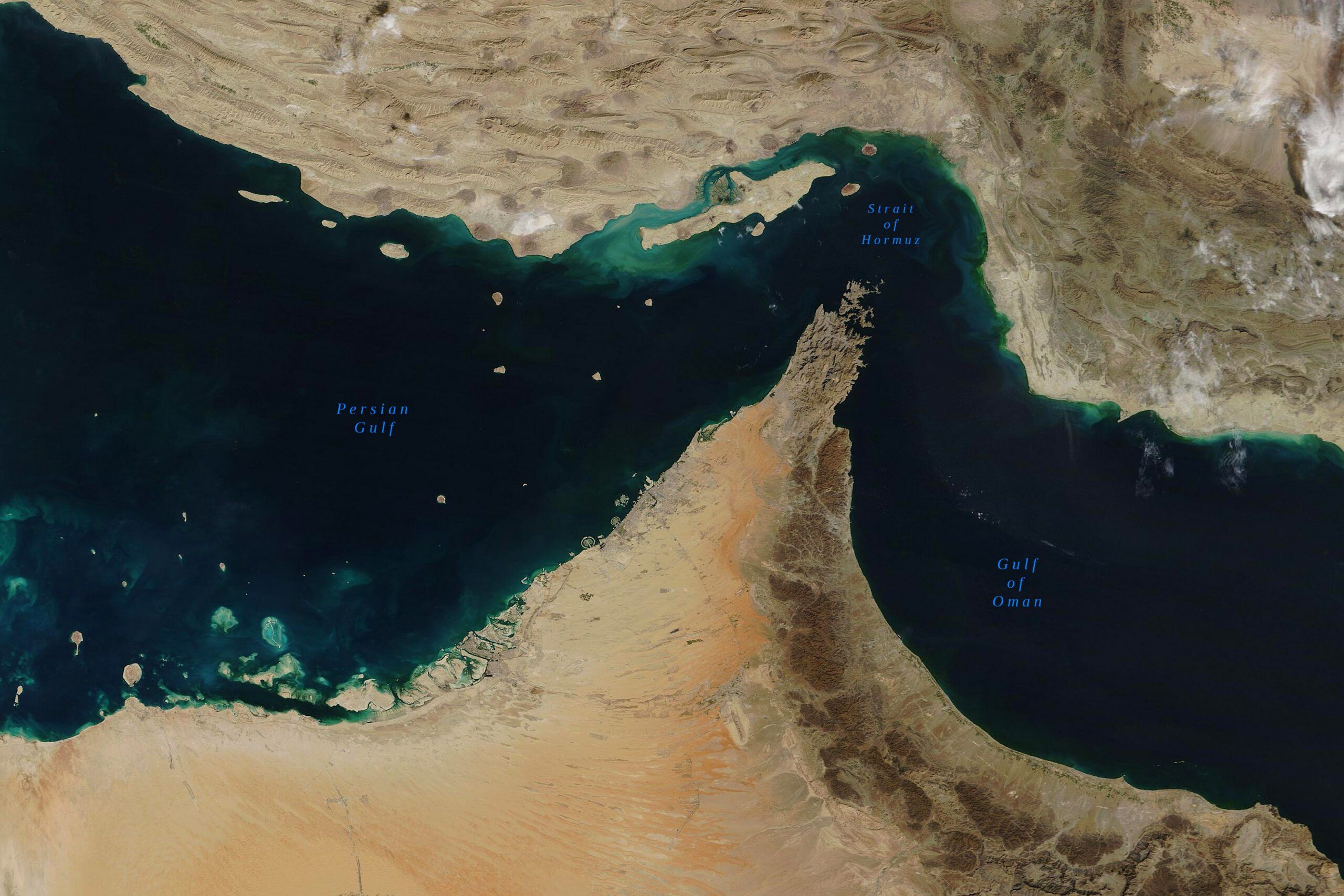
Iran's foreign ministry proposed a sequenced deal on April 27: reopen the Strait of Hormuz first, defer nuclear negotiations to a separate track. The logic was straightforward. Tehran would demonstrate good faith by restoring the world's most critical oil chokepoint, buying time on the nuclear question that neither side can resolve quickly. The Trump administration refused within 24 hours, insisting that Hormuz and nuclear talks remain linked. No sequencing. No pressure relief before concessions.
The rejection clarifies Washington's position but narrows the diplomatic corridor. Under the maximum-pressure doctrine, any arrangement that eases sanctions leverage before Iran commits on enrichment is unacceptable. The White House will not allow Tehran to pocket Hormuz normalisation as a standalone win. This is not new logic, but its application to a concrete, publicly reported Iranian offer is.
What makes the next fortnight consequential is not a single diplomatic meeting. Prediction markets price an 18% chance of a US-Iran meeting by May 5 on Polymarket as of April 29, but no confirmed session is scheduled. The figure reflects a possibility window, not a leaked calendar entry. By May 15, those odds double to 36%. The gap between the two dates matters more than either number alone: something is expected to shift in early-to-mid May, and the most likely catalyst is not bilateral diplomacy.
It is Congressional war powers.
The War Powers Act deadlines bearing down on the White House create a forcing function that operates independently of whether Washington and Tehran sit across a table. Congress can compel a diplomatic off-ramp regardless of White House preferences, and the legislative calendar aligns with the mid-May window where prediction markets see the sharpest probability inflection. Hormuz normalisation odds climb from 16% by May 15 to 36% by end of May and 60% by end of June. That slope does not describe a single breakthrough. It describes sustained institutional pressure building over weeks.
The underreported variable in this equation left OPEC yesterday.
The UAE's exit from the cartel on April 28, framed in most coverage as a dispute over production quotas, has a second-order diplomatic consequence that almost no one is discussing. Without OPEC membership constraining its positioning, Abu Dhabi now has considerably more freedom to operate as an independent broker between Washington and Tehran. This is not hypothetical. The UAE played precisely this role during the 2022-2023 back-channel negotiations that preceded the short-lived nuclear understanding. Abu Dhabi hosted quiet talks, carried messages, and provided a neutral venue when direct contact was politically impossible for both sides.
The Council on Foreign Relations and Diplomacy and Law both published analyses on April 28-29 framing the UAE's departure as strategic repositioning rather than a quota tantrum. A non-OPEC UAE can engage with Iran on energy and security without the institutional baggage of cartel membership. It can coordinate with Washington on sanctions enforcement without appearing to act as an OPEC proxy. The constraints that made back-channel brokering politically costly have loosened at exactly the moment the diplomatic corridor is tightest.
None of this guarantees a deal. Prediction markets price a permanent US-Iran peace agreement by May 31 at just 30% on Polymarket, with $1.3 million in volume. Traders see resolution as plausible but far from likely. The 60% Hormuz normalisation figure by end of June implies that markets expect a partial, pragmatic reopening well before any comprehensive agreement, consistent with the kind of quiet arrangement a Gulf intermediary might facilitate.
The next fortnight will be shaped less by whether a specific meeting happens on May 5 and more by whether Congressional pressure and Gulf back-channels can create enough momentum to force Washington off its maximalist position. The rejection of Iran's sequencing offer was a clear statement of principle. Whether that principle survives contact with a war powers deadline and an eager Emirati intermediary is the question prediction markets are now pricing in real time.
New to Polymarket?
Sign up via our link and get 6 months of Future Times Pro free — worth £30. Learn more