BP Just Reported Its Best Quarter in Years. A Peace Deal Kills It.
BP's profits doubled on the Hormuz closure. The market now prices a reopening that unwinds the entire tailwind.
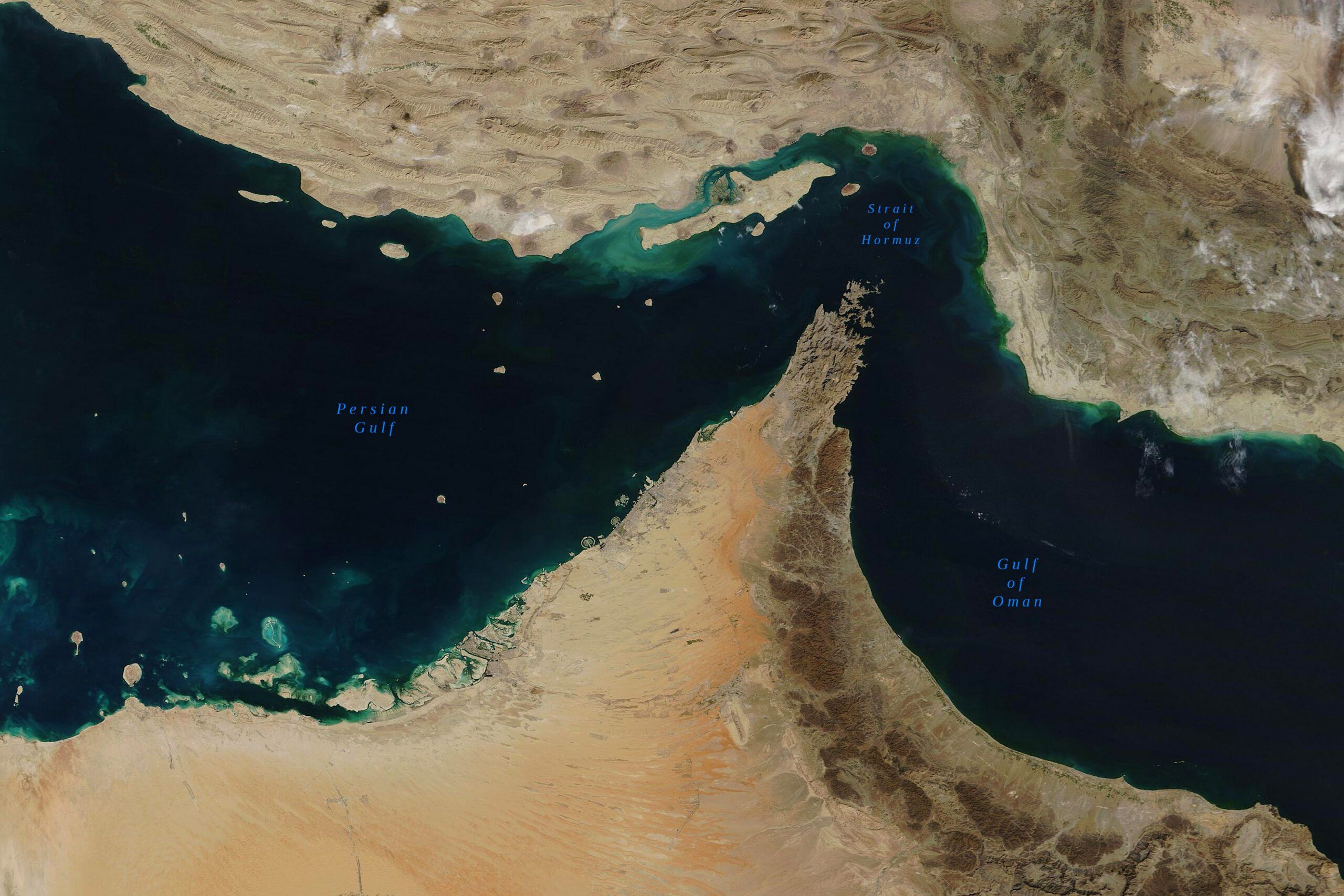
BP's Q1 profits more than doubled expectations, reported Tuesday. The stock should be celebrating. Instead, the energy major faces an earnings paradox: the Hormuz closure that inflated its margins is the same disruption markets now expect to unwind within weeks.
Prediction markets price the Strait of Hormuz returning to normal shipping by May 15 at just 14% on Polymarket as of April 28. By the end of May, that figure jumps to 36%. The 22-point slope between those two dates is not noise. It is the market's calendar bet on a single variable: how fast Washington and Tehran can close a deal.
The mechanism holding May 15 at 14% is specific. Iran offered to reopen Hormuz contingent on deferring nuclear talks. Trump rejected the proposal as insufficient, according to Reuters on April 28. Until that impasse breaks, the near-term probability stays compressed. But the market clearly expects it to break. The end-of-May contract, with more than twice the probability, prices a diplomatic runway that gets there eventually, just not yet.
For BP, this is the trade nobody is writing. Every headline this morning frames the Q1 result as a war dividend. And it is. Elevated crude prices, driven by Hormuz disruption and constrained Middle Eastern supply, handed BP a quarter it could not have engineered on its own. But the forward story is the inverse. A reopening normalises crude supply, compresses the war premium baked into front-month oil, and strips out the very tailwind that produced those headline numbers. BP is not a reopening winner. It is a reopening loser.
The crude futures curve already reflects this. WTI has been trading in backwardation since mid-April, with front-month contracts priced above forward months, according to CME Group data from April 16. Backwardation is the futures market's way of saying supply is tight now but expected to loosen. That structure maps neatly onto the Polymarket slope: 14% normal by mid-May, 36% by month-end. Both instruments are telling the same story from different angles.
The sharpest moves on any deal signal will not come from oil majors. They will come from shipping. Frontline, DHT, and Euronav have been the primary beneficiaries of war risk premiums on Hormuz-adjacent routes. A credible reopening announcement would compress those war risk premiums within days. Shipping names are the fastest-moving proxy for diplomatic progress.
The diplomatic state is stalled, not dead. Trump was reported to be actively considering Iran's peace proposal, according to CNBC on April 28. The White House has not rejected talks outright. It has rejected the terms. That distinction matters for timing. A revised offer that bundles nuclear provisions could shift the May 15 contract sharply. Without one, the probability stays pinned below 20% while the end-of-May contract drifts higher on each day of continued negotiation.
What makes this probability structure unusual is what it reveals about market consensus. Traders are not pricing whether Hormuz reopens. They are pricing when. The 22-point slope from mid-May to end-of-May functions as a calendar option on diplomatic velocity. Every day that passes without a deal collapse pushes the end-of-May probability incrementally higher. Every day without a breakthrough keeps mid-May anchored.
The watchpoint is BP's Q2 guidance. If management hedges against normalisation, it signals the company itself expects the tailwind to fade. If the earnings call language stays bullish on sustained disruption, the market will read it as positioning against a deal. Either way, BP's next quarter is priced by a strait, not a spreadsheet.
For energy investors, the trade is not complicated. The market expects Hormuz to reopen. It just disagrees about the week.
New to Polymarket?
Sign up via our link and get 6 months of Future Times Pro free — worth £30. Learn more