Fifteen Hundred Ships Sit Trapped While Wall Street Celebrates
Prediction markets and the bond market both price structural Hormuz disruption, leaving equity bulls as the outlier.
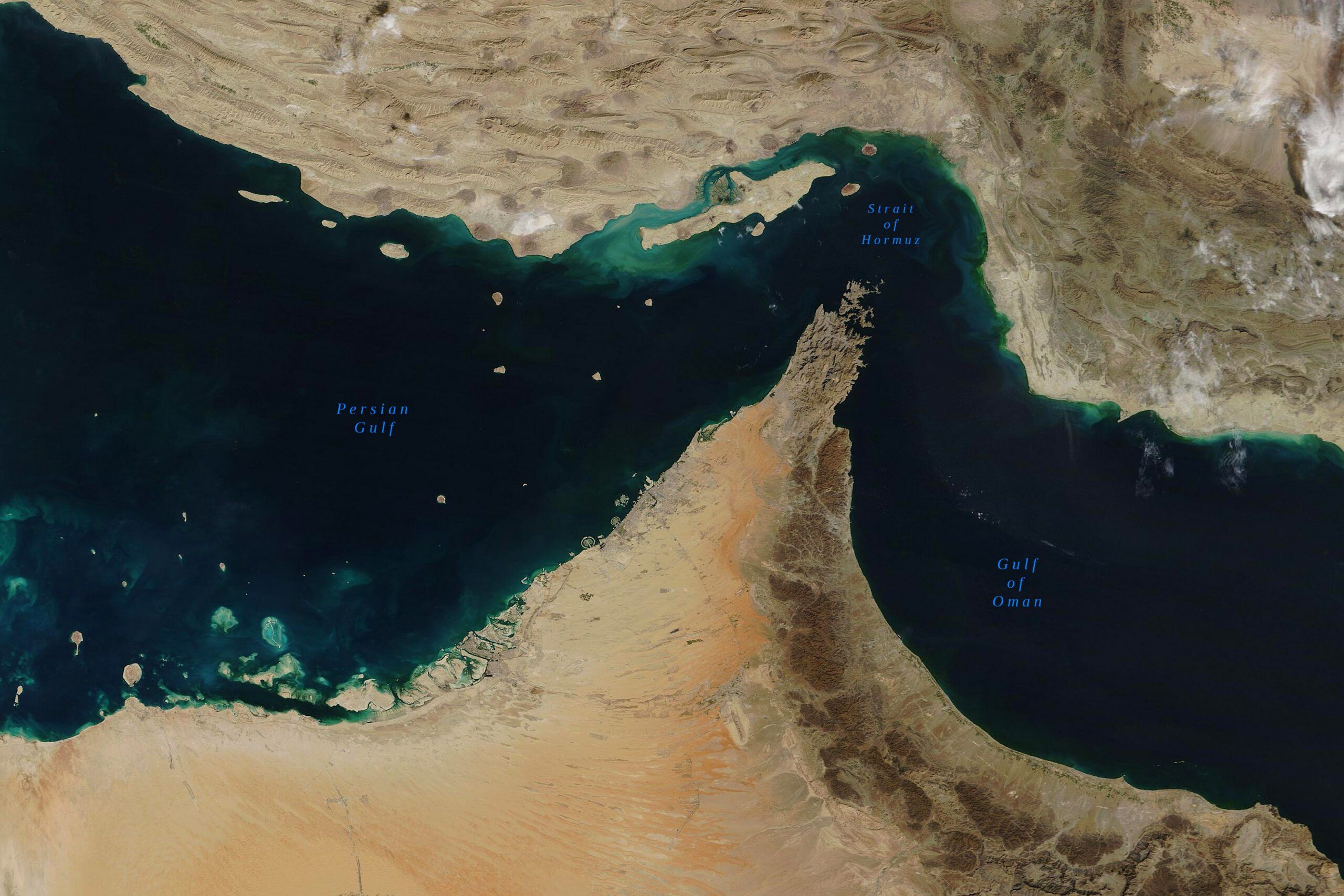
Fifteen hundred vessels are trapped in the Persian Gulf. The International Maritime Organization confirmed the figure on May 7. At standard demurrage rates, the daily idle cost across that backlog runs into hundreds of millions of dollars globally. That figure appears in almost no equity research published this week. It should.
The S&P 500 extended its record run on May 6, lifted by semiconductors and a broader conviction that Iran de-escalation is underway. Oil fell. Tech rallied. The mood in New York is that the Hormuz crisis is fading. The mood in global shipping is the opposite. On Polymarket, traders price just a 28% chance that Strait of Hormuz traffic returns to normal by the end of May, as of May 7, 2026. That leaves a 72% implied probability that the blockade holds through the quarter's midpoint. By mid-May, the odds of normalisation collapse to 4%.
Two asset classes are telling the same story. Equities are telling a different one. Somebody is wrong.
The shipping industry moved to a crisis footing weeks ago. Gibson Dunn published a legal analysis in early March examining war clauses, force majeure triggers, and marine insurance exposure for vessels stuck in or near the Strait. Lloyd's war risk syndicates have been repricing Gulf transit since the first disruptions. UNCTAD flagged systemic global trade exposure from Hormuz chokepoint risk in a March 10 report, well before the ship count reached its current level. The World Economic Forum identified nine non-oil commodity flows also affected by the disruption. None of this is speculative. The legal, insurance, and institutional infrastructure of global trade has already shifted to price a structural event.
Then came "Project Freedom." On May 4, the White House confirmed a US Navy plan to escort trapped commercial vessels out of the Strait. Al Jazeera and Time Magazine reported the details: military logistics intervention to physically guide ships through contested waters. The significance is not the plan itself but what it concedes. Governments do not organise naval escort operations for disruptions they expect to resolve in days. Project Freedom is an acknowledgment that the blockade is real, unresolved, and serious enough to require extraordinary measures.
The sectors most exposed are not hard to identify. Tanker and LNG carrier operators face direct losses from idle fleets and rerouting costs. Asian energy importers, particularly India, China, Japan, and South Korea, depend on Gulf crude and liquefied natural gas transiting the Strait. Downstream petrochemical manufacturing, fed by Gulf feedstock, faces input disruption. And the Lloyd's syndicates writing marine war risk policies are accumulating liability with every day the backlog persists.
The bond market sees what shipping sees. The New York Times published a piece on May 7 titled "Stocks Are Exuberant. Bonds Are Subdued. Why the Divergence?" The framing is useful but incomplete. It is not just stocks and bonds diverging. It is equities standing alone against bonds, shipping, prediction markets, and the insurance sector. Four out of five signals point to prolonged disruption. Equity investors are betting on a resolution that the probability curve does not support.
The slope of Polymarket's Hormuz contracts reinforces the point. Normalisation by mid-May trades at 4%, as of May 7, 2026. By end of May, 28%. By end of June, 54%. The market sees resolution as possible but back-loaded into late Q2 at the earliest. That timeline is incompatible with the optimism embedded in current equity valuations for energy, shipping, and trade-sensitive sectors.
The demurrage costs are not theoretical. They are accruing now, borne by shipowners, charterers, and ultimately passed through to insurers and consumers. Every day the backlog persists, the cumulative cost widens the gap between what equity markets assume and what the physical economy is experiencing.
The question for investors is straightforward. If prediction markets, the bond market, the shipping industry, and the insurance sector all price structural disruption through at least the end of May, what does the equity market know that they do not?
New to Polymarket?
Sign up via our link and get 6 months of Future Times Pro free — worth £30. Learn more