The Strait of Hormuz Is Already Closed in the Market's Mind
Iran is acting as gatekeeper of the world's most important oil chokepoint, and prediction markets say the disruption will last at least through April.
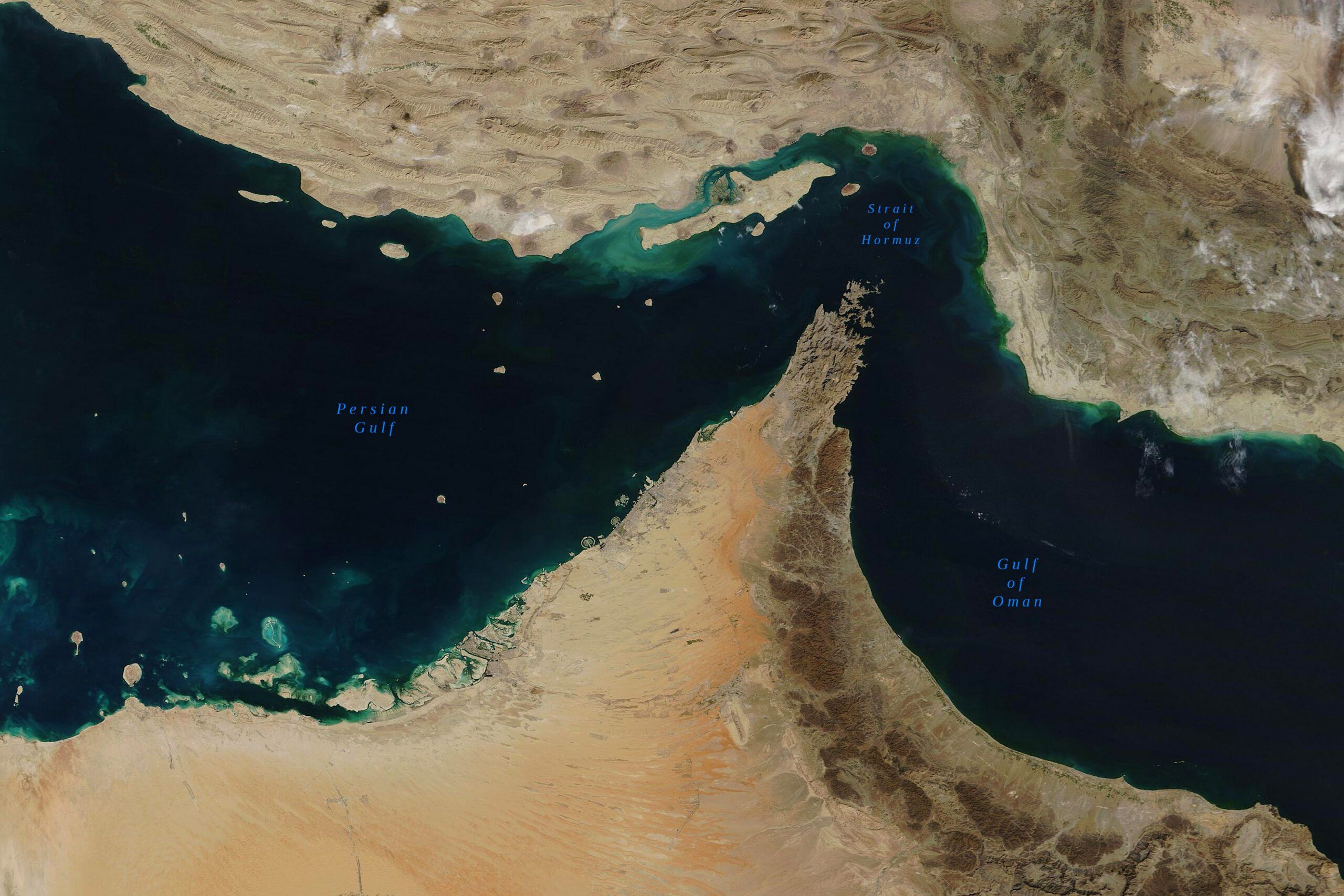
On day 32 of US-Israeli strikes on Iran, the Strait of Hormuz has become the war's central economic battleground. A quarter of the world's seaborne oil trade and a fifth of its liquefied natural gas passes through the 104-mile waterway between the Persian Gulf and the Gulf of Oman. Iran has not formally closed it. It does not need to. The New York Times reported on Monday that Tehran is acting as "gatekeeper" of the strait, using tanker strikes and proximity threats to impose a de facto partial blockade that achieves the economic leverage of closure without the diplomatic cost of announcing one.
Al Jazeera published "Three scenarios for the Strait of Hormuz" on Monday, laying out the possibilities: full closure, sustained partial disruption, or rapid resolution through diplomatic pressure. The framing presents each as an open question. Prediction markets have already answered it. On Polymarket, traders assign only an 18% probability that Hormuz traffic returns to normal by the end of April. The inverse is the number that matters: an 82% implied chance that disruption continues through the month.
That figure sits alongside two connected signals. Traders price a 60% chance that US forces enter Iran by April 30, backed by $2.5 million in 24-hour trading volume. A separate market puts the probability that Israel strikes three distinct countries in 2026 at 14%. Taken together, the picture is not of a crisis that might escalate. It is of one where escalation is the base case and resolution is the tail risk.