Trump Wants Hormuz as US Territory. Markets Say No.
The Strait of Hormuz cannot be seized by tweet, and traders are betting it won't be seized at all.
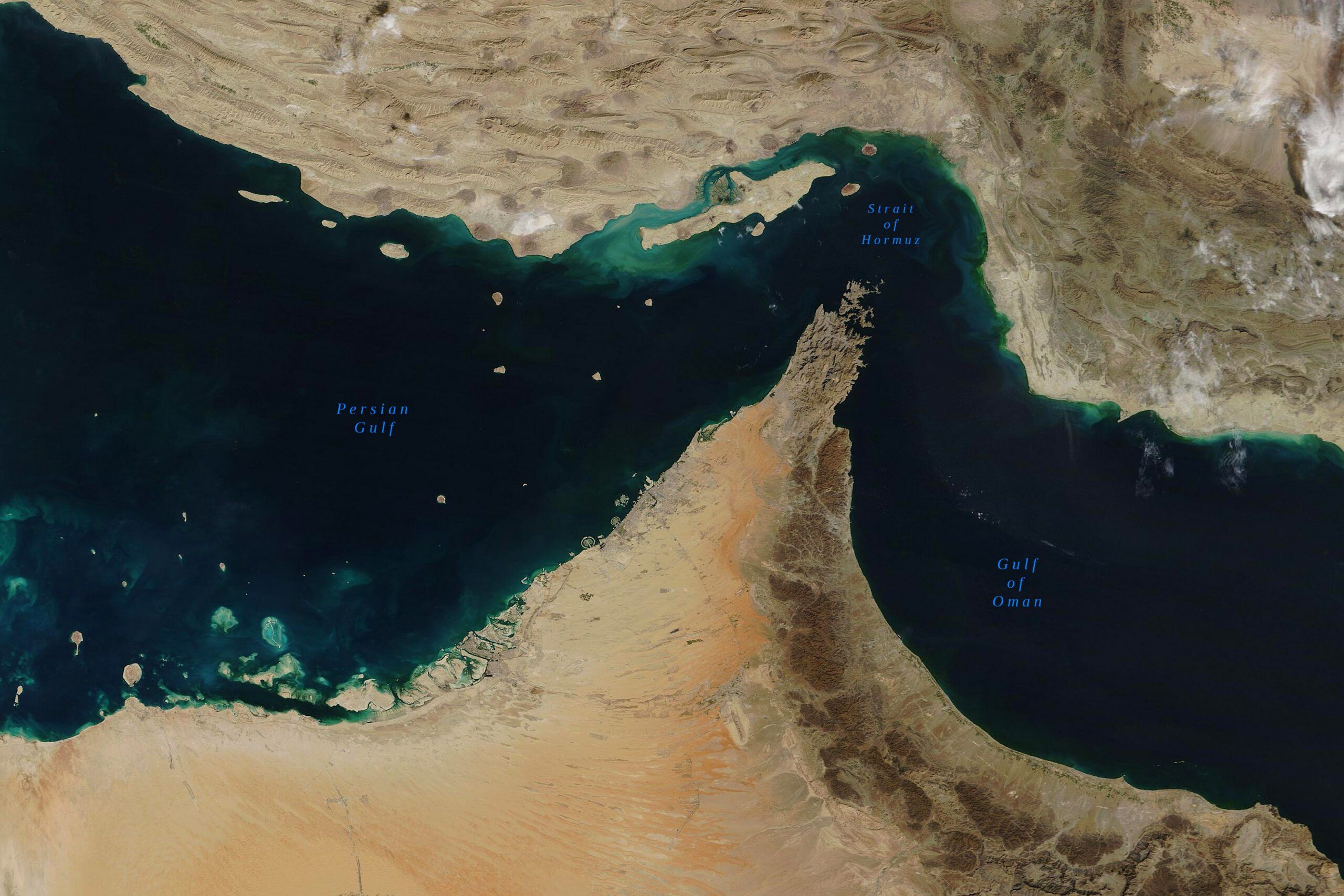
The Strait of Hormuz cannot be seized by tweet, and traders are betting it won't be seized at all.
President Trump announced plans to declare the Strait of Hormuz "territory of the United States" in a statement carried by DW and NBC on August 15. Iran's foreign ministry dismissed the threat as "fanciful delusions," telling Forbes that the waterway "cannot be seized by tweet." Within hours, Polymarket's contract on Hormuz traffic returning to normal by August 31 held steady at 1%.
That single number tells a cleaner story than any diplomatic cable. As of August 16, traders price just a 1% chance of Hormuz reopening this month and only 12% by September 30. Trump's territorial claim did not move the needle because markets had already priced the blockade as functionally permanent for the near term.
The backdrop makes the rhetoric even harder to take at face value. Reuters reported on August 14 that Hormuz traffic is actively slowing further, not holding steady. The IEA confirmed a deepening global oil supply shortfall driven by the closure, with reopening described as "elusive." The physical reality of the strait is moving in the opposite direction of Trump's words.
What makes this moment worth watching is not the territorial claim itself. It is the contradiction it exposes. Prediction markets price the Iran-Israel ceasefire holding through August 31 at 94.5% as of August 16. Peace, in other words, is the overwhelming consensus. Yet the same markets price Hormuz normalisation at 1%. The ceasefire survives. The blockade survives with it. These two facts sit side by side and together form the sharpest contradiction in global risk pricing right now: a war that is technically over, producing an energy disruption that is getting worse.
The explanation lies in what Washington actually wants. Al-Monitor reported on August 14 that US officials now treat lower oil prices, not Iran's nuclear programme, as the top priority in the conflict. The Atlantic Council argued on August 12 that "Iran is draining its leverage" by keeping Hormuz closed, and that "Trump's best move is to let it happen." If Iran is burning through its strongest card while global supply chains reroute around it, the strategic incentive for Washington is patience, not confrontation.
Trump's pivot to economic pressure over military options, reported by CNBC on August 10, supports this reading. The territorial declaration fits a pattern of rhetorical escalation paired with operational restraint. It gives Trump a domestic headline without committing forces to a chokepoint that the Pentagon has spent decades planning around, not through.
Markets have noticed. The probability of the US announcing an end to the Iranian blockade by August 31 sits at 14.5% as of August 16. That is higher than the 1% chance of Hormuz actually reopening, which suggests traders see a small window for a diplomatic announcement that would not immediately translate into resumed shipping. Words before tankers. The gap between those two numbers is the market's measure of how far rhetoric runs ahead of reality in this conflict.
The forward picture is straightforward. Hormuz stays closed through August. The ceasefire holds. Oil supply tightens further. Trump's territorial claim joins a long list of Hormuz threats from American presidents that changed nothing about the waterway's status. The question that matters is not whether the US can claim Hormuz but whether Iran's blockade outlasts Iran's own interest in maintaining it. The Atlantic Council's framing is the one to watch: every week the strait stays closed, Iran's leverage diminishes and the case for waiting it out grows stronger.
The market sees one outcome clearly. Hormuz reopens on Tehran's timeline, not Washington's. And that timeline, as of today, has no visible end.
New to Polymarket?
Sign up via our link and get 6 months of Future Times Pro free — worth £30. Learn more