Trump Declares Ceasefire Intact After Striking Iran
US and Iran exchanged fire in Hormuz on the day the peace deal deadline expired, and markets say recovery will lag any agreement.
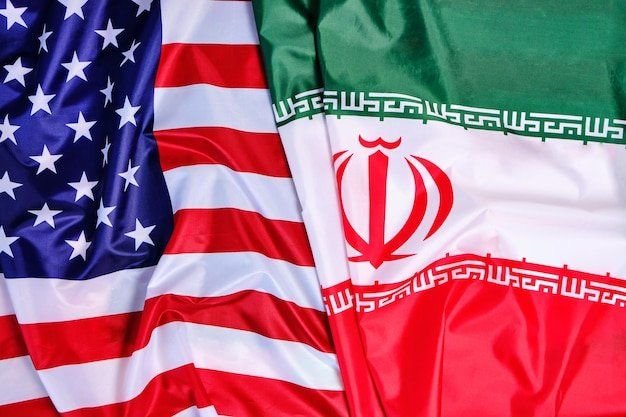
US and Iranian forces exchanged fire in the Strait of Hormuz on May 8, hours after President Trump told reporters the bilateral ceasefire remained in effect. The strikes hit Iranian coastal targets. Iran confirmed its forces had fired on US warships transiting the strait. Both sides insist the ceasefire holds.
The timing was not subtle. May 8 was the earliest deadline on which Polymarket traders could bet on a permanent US-Iran peace deal. That contract expired at 2% (as of May 8), the probabilistic equivalent of a shrug. Nobody with money on the line expected diplomacy to land this fast. The market was right. What it also priced, quietly, is how much further the road stretches from here.
The probability ladder tells the story in four steps. A deal by May 15 sits at 17% (as of May 8). By May 31, 34%. By June 30, the number crosses the halfway mark to 52%. Read together, these figures describe a market that believes a deal is more likely than not within two months, but considers the next three weeks close to a dead zone. The steepest jump falls between end of May and end of June, suggesting traders see the real negotiating window opening in late May at the earliest, with a resolution most plausible in June.
This slope matters because it exposes the contradiction at the heart of Trump's position. Declaring a ceasefire intact while authorising strikes against the same adversary is not a diplomatic posture. It is a holding pattern: violence calibrated to stay below the threshold of formal escalation while buying time for a deal framework that, according to Axios reporting on May 6, exists as a one-page memo but nothing more. The ceasefire is a label, not a condition on the ground. Ships are not transiting. Oil is not flowing. The strait remains functionally closed.
And here is where the market offers its sharpest insight. Even if a deal lands by June 30 at 52% odds, Hormuz traffic returning to normal by end of May is priced at just 26% (as of May 8). Normal traffic by May 15 sits at 2%. The gap between those numbers contains a lesson that mainstream coverage has largely missed: a peace deal does not reopen a shipping lane. Mines need clearing. Insurance underwriters need to lift war-risk premiums. Convoy escort protocols need unwinding. The physical infrastructure of commerce through Hormuz requires weeks of work after any political agreement, and that work has not started.
The approximately 20% of global oil trade that moves through the strait remains hostage to this lag. Tanker operators who rerouted around the Cape of Good Hope in April are not coming back on a presidential press conference. They will come back when Lloyd's of London reprices the transit, and Lloyd's will reprice when the naval threat is verifiably gone. That sequence has its own timeline, and it runs behind the diplomatic one.
For energy markets, the implication is direct. Even the optimistic scenario, a deal by late June, does not resolve the supply disruption before summer demand peaks. Brent crude's war premium is not a function of whether Trump and Tehran can agree on a memo. It is a function of whether ships can move. Right now, they cannot.
The week ahead offers two signals worth watching. First, whether the reported one-page memo framework produces any visible diplomatic movement before May 15, the next Polymarket deadline. At 17%, the market is not expecting much, but a formal meeting announcement could shift that number fast. Second, whether Hormuz traffic data, tracked in real time by maritime intelligence firms, shows any uptick in transits. If it does not, the 26% end-of-May normalisation contract will drift lower, confirming that the strait's reopening is decoupled from the diplomatic calendar.
Trump can declare whatever he wants. The market is watching the ships.
New to Polymarket?
Sign up via our link and get 6 months of Future Times Pro free — worth £30. Learn more