Trump's Iran Deadline Expires. The War Does Not.
Tehran rejects the ceasefire as Trump's midnight ultimatum lapses, and traders price what comes next: prolonged military engagement, not regime change or quick peace.
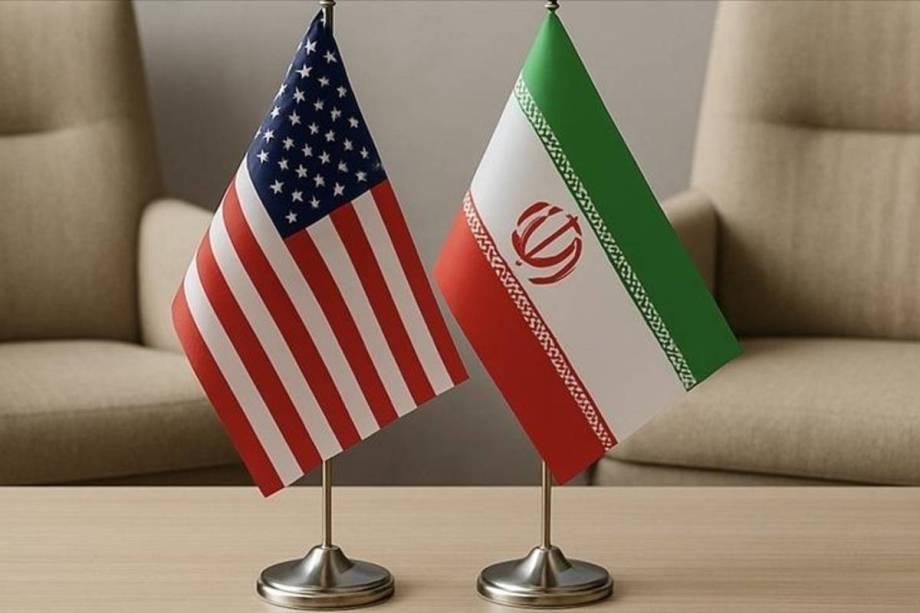
President Donald Trump's midnight deadline for Iran to accept a ceasefire deal will expire on Tuesday night with no agreement in place. Tehran rejected the latest proposal over the weekend, and hopes for a last-minute breakthrough have all but evaporated. The Wall Street Journal reported on Monday that expectations of a deal before the deadline had faded. The question now is not whether the ultimatum fails but what follows it.
The conflict is in its 39th day. US and Israeli forces have conducted sustained air operations since late February, and Israel has begun threatening Iranian railway and transport infrastructure ahead of the deadline. Trump told reporters that Iran "can be taken out in one night" and warned of strikes beyond anything seen so far in the campaign. Mediators circulated a 45-day ceasefire proposal over the weekend, according to Axios, and Reuters confirmed that both Washington and Tehran received a plan for an immediate halt to hostilities. Iran's response was to reject temporary terms outright.
The rejection fits a pattern. Tehran has consistently refused proposals it views as partial or tactical, holding out for either a comprehensive settlement or betting that the costs of prolonged engagement will shift the calculus in Washington. Whether that bet is rational depends on what the next phase of the war looks like.
Prediction markets offer the sharpest available read on that question. On Polymarket, the probability of a ceasefire by April 7 sits at just 3%, confirming what diplomats already signalled: the deadline was theatre. But the more revealing figure is the gradient beyond it. Ceasefire odds rise to 14.5% by April 15 and 26.5% by April 30. That 23-percentage-point climb across three weeks suggests traders see a negotiating window opening after the deadline passes, even if it remains a minority bet.
The military picture is starker still. The probability of US forces entering Iran by April 30 stands at 99.65% on Polymarket, backed by $48.3 million in 24-hour trading volume. That is not a forecast. It is a market that considers the question settled. Regime fall by the same date, by contrast, trades at just 4% on a fraction of the volume. The gap between those two figures tells the story that headlines have struggled to articulate: the market expects a prolonged incursion, not a decisive victory.
The structural parallel is instructive. A near-certainty of military engagement paired with deep scepticism about regime collapse echoes the pattern seen in past US interventions where entry was swift and exit was not. Traders appear to view Iran's dispersed command structure and internal cohesion as more resilient than the kind of centralised regime that can be toppled by air power alone.
For the diplomatic track, the failure of the midnight deadline does not close the door. The 45-day ceasefire framework circulated by mediators remains on the table, and the rising probability slope through April suggests at least some traders believe post-deadline escalation could accelerate the conditions for a deal. The logic is counterintuitive but familiar: military pressure creates the leverage that makes negotiation possible, but only after both sides absorb enough cost to prefer compromise.
The next seven days will determine whether the ceasefire gradient steepens or flattens. If Trump follows through on his threat of intensified strikes, the April 15 ceasefire probability becomes the number to watch. A move above 20% would signal that traders believe escalation is accelerating the timeline for talks rather than foreclosing it. A collapse toward single digits would mean the market has given up on April entirely. Either way, the midnight deadline was never the story. What comes after it is.
New to Polymarket?
Sign up via our link and get 6 months of Future Times Pro free — worth £30. Learn more