Iran's New Supreme Leader Makes War and Peace Easier
Both sides need a deal. Neither will admit it first.
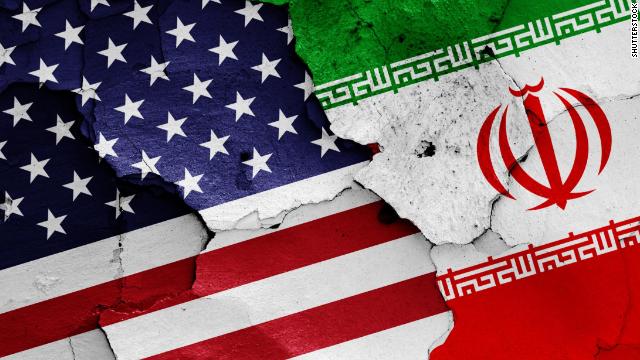
Both sides need a deal. Neither will admit it first.
Ayatollah Ali Khamenei died on February 28. His son Mojtaba was formally elevated as successor on March 9, according to Reuters, completing a dynastic handover that Iran's clerical establishment had quietly prepared for years. The transition was not a rupture. It was a succession plan executed on schedule.
That distinction matters more than any missile strike. Prediction markets on Polymarket price a 56% probability of US forces entering Iran by April 30 and a 66% probability of a US-Iran ceasefire by June 30. Both figures, as of April 1, point in the same direction: a short, coercive military engagement followed by a negotiated settlement. The probability of Iranian regime collapse by April 30 sits at 3.5%. This is not a story about toppling a government. It is a story about pressuring a new one.
Mojtaba Khamenei inherits a regime that is bruised but structurally intact. The Islamic Revolutionary Guard Corps remains the real centre of power, and early reporting suggests the new supreme leader has moved to consolidate IRGC loyalty rather than challenge it. Iran's foreign minister signalled on March 25 that formal negotiations may be off the table, according to PBS. A week later, on April 1, Trump claimed publicly that Iran's president had requested a ceasefire. Iran's government denied it within hours, per Al Jazeera.
The pattern is familiar from prior coercive diplomacy cycles: both sides want an off-ramp, but neither can afford to be seen reaching for one. Trump needs a visible win before the midterm cycle accelerates. Mojtaba needs early legitimacy and cannot begin his tenure by capitulating to Washington. The result is a public standoff masking what markets suggest is a private convergence toward settlement.
The probability slope across time horizons reinforces this reading. Ceasefire odds by April 30 sit at just 36% on Polymarket, but by June 30 they reach 66%. The market does not expect a quick resolution. It expects weeks of escalation, posturing, and possibly limited military action, followed by a deal that lets both leaders claim they did not blink. Meanwhile, the probability of US forces entering Iran rises only modestly from 56% in April to 64% by December, suggesting traders see the April window as the decisive one: if entry happens, it happens soon.
Iran is also waging an asymmetric economic campaign. On April 1, Iranian officials named Nvidia and Apple as potential retaliation targets, according to CNBC. The threat is less about enforcement capacity and more about signalling: Tehran wants Washington to understand that escalation carries costs beyond the battlefield. For a regime consolidating under new leadership, demonstrating resolve without triggering full-scale war is the narrow path.
Israel's role remains a variable but not the destabilising one some analysts expected. Netanyahu's government passed its 2026 budget between March 29 and March 31, per Reuters, a sign of domestic political stability rather than collapse. Israel's operational posture toward Iran continues, but the budget passage suggests the Israeli political calendar is not forcing a wider conflict on Washington's timeline.
The market structure tells a coherent story. High entry probability, low regime-fall probability, and rising ceasefire odds over a two-month horizon describe a coercive settlement arc. A new supreme leader who needs to prove strength but cannot survive a full American assault. An American president who needs a foreign policy victory but not another occupation. Both sides are heading toward the same exit. The question is how much damage they inflict on the way there.
The next inflection point is whether limited US military action, if it occurs, triggers IRGC retaliation beyond the Strait of Hormuz. If Hormuz disruption stays contained, the ceasefire timeline holds. If it escalates into sustained shipping interdiction, the June settlement window narrows and oil markets reprice accordingly. Watch the Hormuz disruption market and June ceasefire odds together. They will move before the headlines do.
New to Polymarket?
Sign up via our link and get 6 months of Future Times Pro free — worth £30. Learn more