Prediction Markets Price Netanyahu's Exit as an Election Problem
Polymarket assigns a 43.5% chance Netanyahu leaves office by year-end, but the market structure points to an October election risk, not imminent coalition collapse. Near-term exit odds remain near zero.
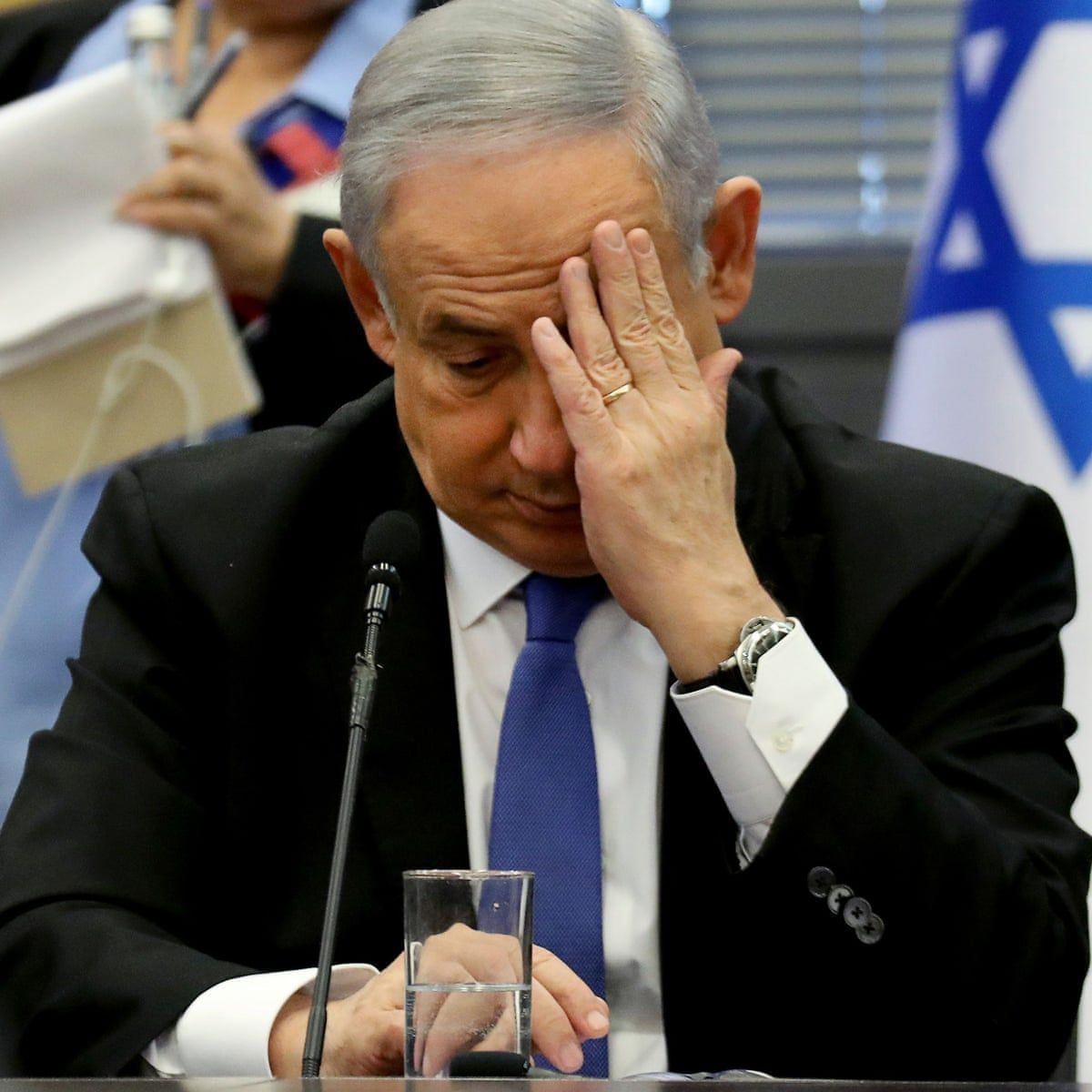
Bettors on Polymarket now assign a 43.5% probability that Benjamin Netanyahu will be out of office by the end of 2026, a figure backed by $117 million in trading volume and up nine percentage points in the past week. The number has drawn attention as a sign of mounting political risk for Israel's longest-serving prime minister. But the market's structure tells a more precise story than the headline suggests: this is not a bet on imminent collapse. It is a bet on an election.
The near-term contracts make the point clearly. The probability of Netanyahu leaving office by April 30 stands at 0.55%. By June 30, it is 5.5%. A market asking whether he would be gone by March 31 resolved as a definitive no on April 5, settling $104.2 million in bets in the largest political market resolution of the year. The coalition has not fractured. The prime minister has not resigned. The 43.5% is a year-end figure that captures the full arc of possibilities through Israel's election deadline of October 27, and the path from here to there runs through a general election, not a palace coup.
That the coalition survived this far is itself notable. The budget passed on March 31, defusing the immediate trigger for early elections after weeks of brinkmanship over the haredi military draft exemption. Netanyahu's partners, for all their internal friction, chose continuity over crisis. The rally-around-the-flag effect from the March military campaign against Iran, which included the killing of Supreme Leader Ali Khamenei, initially boosted Likud in the polls. That bounce has since reversed. Over 60% of Israeli respondents now favour Netanyahu's resignation, according to polling data referenced in Polymarket's market metadata as of April 18. The Jerusalem Post reported on April 17 that the opposition bloc holds a majority in current surveys, with the coalition failing to recover its pre-war standing.
The reversal matters because it strips away the one scenario in which Netanyahu might have chosen to call a snap election on his own terms. A wartime leader riding a wave of public support could plausibly go to voters early and win. A wartime leader whose approval is falling has every reason to delay. The market's structure reflects this calculus: near-zero probability of departure in the spring, rising through the summer as the October deadline approaches and the opposition's polling lead persists.
Two less visible dynamics are shaping the longer-term odds. The first is legal. Netanyahu requested a delay in his corruption trial testimony on April 10, a procedural move that buys time but does not resolve the underlying cases. Simultaneously, his coalition has been advancing a Knesset bill that would cancel the specific criminal charge he faces, a legislative route to immunity that has received surprisingly little international coverage since it was first reported in January. The bill's fate creates an asymmetric variable: if it passes, it removes one of Netanyahu's strongest incentives to cling to power, since holding office would no longer be necessary to avoid conviction. If it fails, trial pressure intensifies and the political cost of incumbency rises.
The second is external. Relations between Jerusalem and Washington have hit an unusual patch of friction. Reports emerged on April 16 that the Trump administration had told Israel it was barred from further strikes on Iran, a claim serious enough that a US official subsequently had to clarify that Israel retained its right to self-defence. For a prime minister whose political brand has been built partly on the strength of the US-Israel relationship, even temporary tension with Washington carries domestic cost.
None of this amounts to a prediction that Netanyahu will fall. A 43.5% probability means the market still considers it more likely than not that he remains in office through December. But the price has moved meaningfully in one direction, and the underlying drivers, a persistent opposition polling lead, fading war rally, unresolved legal exposure, and a coalition held together by the absence of a better alternative rather than genuine cohesion, all point toward an election as the decisive event. The market is not pricing chaos. It is pricing a calendar, and the calendar says October.
New to Polymarket?
Sign up via our link and get 6 months of Future Times Pro free — worth £30. Learn more