Oil Markets Rallied on Peace Talk Noise. The War Market Didn't Flinch.
Oil prices softened on Pakistan-hosted talks, but the underlying conflict is deepening and the Strait of Hormuz remains disrupted.
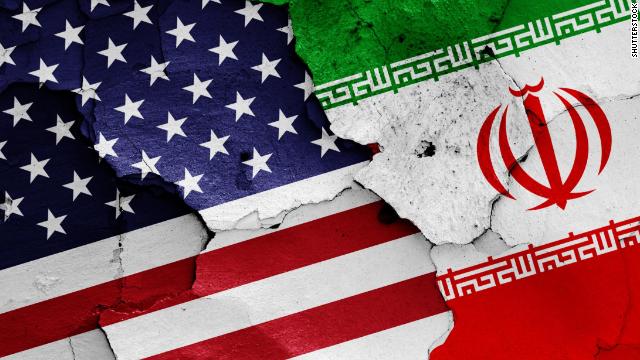
Brent crude hit $116 on Monday, a four-year high. On Tuesday, oil prices wavered and Wall Street rallied. The catalyst: Pakistan confirmed it would host US-Iran talks, and traders took the headline at face value. For a few hours, de-escalation was the trade.
The problem is that the war is still escalating. US Defense Secretary Pete Hegseth confirmed on Monday that he had visited American troops "fighting the war with Iran," the first time a sitting defense secretary has used that phrase publicly. US-Israel military operations against Iran are now on day 32, according to Al Jazeera's running tally. Iran struck an oil tanker off Dubai on Monday and dismissed American peace proposals as "unrealistic." None of this reads like de-escalation.
Oil futures respond to headlines. They spiked when Trump threatened to "blow up" Iran's oilwells last week. They dipped when Pakistan announced its hosting role. They will spike again when the next tanker is hit or the next ultimatum is issued. This is a market that trades the news cycle, not the trajectory.
Prediction markets are telling a different story. On Polymarket, the probability that US forces formally enter Iran by April 30 sits at 60%, backed by $2.5 million in 24-hour trading volume as of March 31. That figure has climbed steadily over the past week, even as oil prices have swung in both directions on diplomatic noise. The prediction market is not reacting to today's talks. It is pricing the arc: troops already engaged, Hormuz still threatened, deadlines being extended rather than met.
Trump extended Iran's deadline to reopen the Strait of Hormuz on March 27, warning of strikes on Iran's power grid if it failed to comply. That deadline has now passed without resolution. The strait, through which roughly 20% of global oil trade flows, remains disrupted. The Hormuz normalization market on Polymarket gives just an 18% chance that traffic returns to normal by April 30, implying that traders expect the chokepoint to stay compromised through at least the end of next month.
The divergence between these two signal types matters for anyone with energy exposure. Oil futures are a reactive instrument. They price the last 24 hours of news flow, weighting diplomatic gestures and military threats roughly equally. Prediction markets are structural. They aggregate the views of participants who have capital at risk on specific, time-bound outcomes. When futures say "de-escalation" and prediction markets say "60% chance of formal US military entry within 30 days," one of them is mispricing the situation.
History offers a partial guide. During the 1990 Gulf War, oil spiked sharply in anticipation of conflict but corrected once the ground campaign proved swift and decisive. The current situation differs in a critical respect: US forces are already fighting. This is not pre-war pricing. The market is pricing an ongoing conflict with an uncertain escalation ceiling, not a binary war-or-peace outcome.
The question for professional readers is which signal to weight. Oil markets have the liquidity advantage and the institutional depth. Prediction markets have the specificity advantage: they force participants to bet on defined outcomes within defined timeframes, rather than trading a barrel of crude that reflects a thousand variables at once.
For now, the futures market is betting on diplomacy. The prediction market is betting on escalation. By the end of April, one of those positions will look very expensive.
New to Polymarket?
Sign up via our link and get 6 months of Future Times Pro free — worth £30. Learn more