Britain Pays for a War It Never Chose
The UK Chancellor clashed with her US counterpart as gilt yields, bank profits, and energy costs all signal Britain is the G7's biggest loser from the Iran conflict.
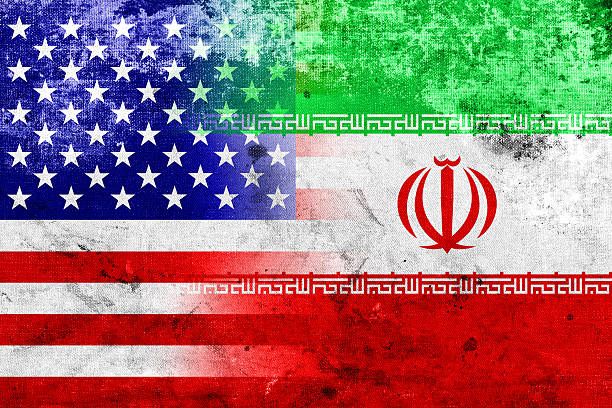
The UK is the G7 economy most exposed to the Iran war's economic fallout, and its Chancellor just told America's Treasury Secretary so to his face.
Rachel Reeves clashed directly with Scott Bessent over the costs of the Iran conflict during meetings confirmed by the Financial Times, the Guardian and the Independent on Monday. Downing Street did not deny the confrontation. It is a rare public rupture at G7 finance minister level over who bears the burden of a war that has reshaped energy markets, hammered bond yields, and punished the one major economy least able to absorb the hit.
The timing was not coincidental. On the same day, UK 30-year gilt yields hit their highest level since 1998, according to Bloomberg and the Financial Times. HSBC, Britain's largest bank by assets, reported a profit decline driven partly by the Iran war's disruption to trade flows, alongside a separate $400 million fraud-related charge. Al Jazeera described the UK as 'particularly badly exposed' among G7 economies. The picture across markets, banking, and diplomacy all pointed the same direction: Britain is absorbing costs it did not sign up for.
The UK's vulnerability is structural, not cyclical. Britain imports a significant share of its energy and depends heavily on shipping routes through the Strait of Hormuz. With oil elevated and Hormuz traffic still disrupted, the inflationary pressure feeds directly into gilt yields, which in turn raise the government's debt servicing costs. The 30-year yield spike is not an isolated bond market event. It is the fiscal expression of a war premium that the UK has no means to control.
What makes the Reeves-Bessent confrontation significant is the gap it exposes between alliance solidarity and economic reality. The UK parliament never formally voted to authorise or support the Iran conflict. Yet UK households face higher energy bills, UK banks face lower profits, and UK taxpayers face higher borrowing costs, all driven by a conflict directed from Washington. Reeves' willingness to raise this publicly signals that the political cost of silence now exceeds the diplomatic cost of dissent.
Prediction markets frame the duration of this pain more bluntly than any official forecast. On Polymarket, traders price a 30% probability of a full US invasion of Iran before 2027, a figure that implies a meaningful chance of open-ended conflict rather than a contained operation. The probability that Strait of Hormuz shipping returns to normal by the end of May sits at just 16%. Together, these markets describe a base case in which the disruption persists for months, not weeks. For the UK, that translates directly into sustained pressure on gilts, energy costs, and inflation.
The policy question Reeves is raising, whether explicitly or not, is one the G7 has avoided since the Iraq war: who pays when America fights? NATO's Article 5 framework distributes the costs of collective defence. No equivalent mechanism exists for conflicts initiated by one ally that impose fiscal damage on others. The UK's position is uniquely uncomfortable. It is close enough to Washington to be expected to show solidarity, exposed enough economically to suffer real harm, and excluded enough from decision-making to have no influence over the war's trajectory.
HSBC's results illustrate how the costs cascade through the private sector. The bank's Iran-related losses reflect real disruption to operations across the Gulf region. Other UK-listed firms with Middle Eastern operations face similar headwinds. The gilt selloff, meanwhile, constrains the fiscal space Reeves needs to fund domestic priorities. Every basis point on the 30-year yield is money that cannot go to infrastructure, healthcare, or the industrial strategy the government has staked its credibility on.
The question for markets and policymakers is whether the confrontation produces anything beyond headlines. If Hormuz remains disrupted and invasion odds hold near 30%, the UK's fiscal arithmetic worsens with every passing month. Reeves has named the problem. The next test is whether naming it changes anything at all.
New to Polymarket?
Sign up via our link and get 6 months of Future Times Pro free — worth £30. Learn more