Taiwan's Opposition Went to Beijing. The PLA Didn't Stand Down.
Xi Jinping's handshake with Taiwan's opposition leader is a peace signal aimed at Washington, not Taipei.
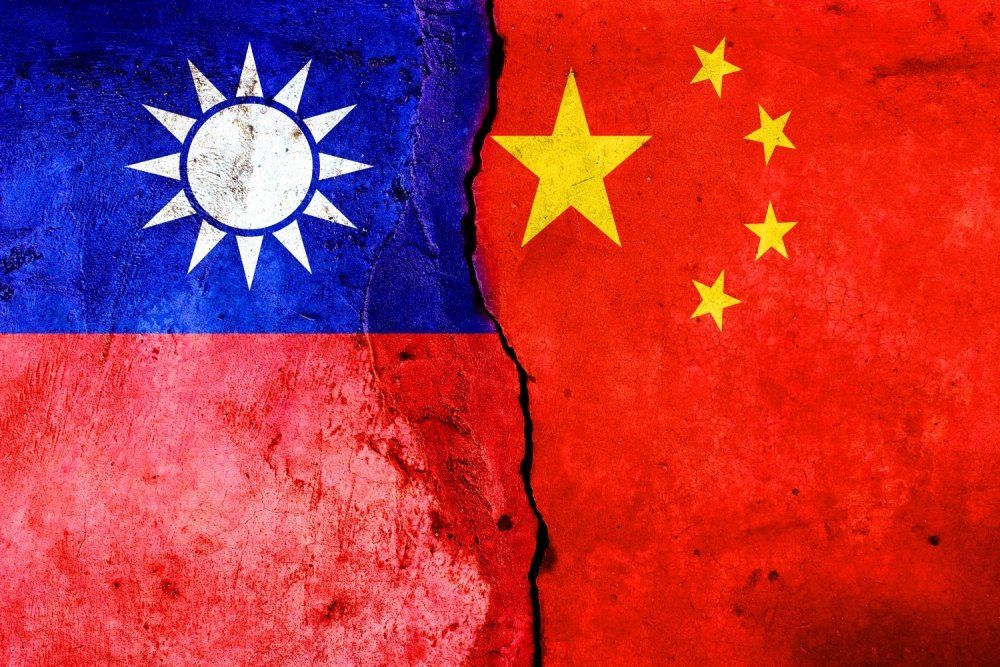
Taiwan's main opposition leader sat across from Xi Jinping in Beijing on Thursday, the first cross-strait opposition talks in roughly a decade. Xi spoke of "peace and unification" and warned that independence would not be tolerated. The opposition leader called for "reconciliation." Headlines framed it as a diplomatic thaw.
One day earlier, China's military ran drills simulating a US nuclear strike in a Taiwan war scenario.
The juxtaposition is not a contradiction. It is the pattern. Beijing has long operated on dual tracks: public diplomacy to manage international optics, concurrent military pressure to maintain coercive leverage over Taipei. The meeting changes the language. It does not change the posture.
Prediction markets reflect this split clearly. Traders on Polymarket price the probability of a Chinese invasion of Taiwan by June 30 at just 3.5%, a near-term calm consistent with the diplomatic theatre now playing out. But the probability of invasion by end of 2026 sits at 8.7%, more than double the short-term figure. That 5.2-point spread is a market pricing restraint now and risk accumulation later.
The timing of the Beijing meeting matters more than its content. Multiple outlets, including NPR and Reuters, framed the visit as preparation for an upcoming Trump-Xi summit. Beijing has reason to project cross-strait goodwill ahead of that encounter. Xi arriving at a summit with a fresh peace gesture in hand gives him diplomatic room on trade, on Taiwan, and on the broader US-China relationship. The opposition visit may be less about Taipei than about Washington.
Taiwan's ruling Democratic Progressive Party was not party to the talks. Opposition visits to Beijing are a persistent fault line in Taiwanese domestic politics, and the DPP government has made clear it views China as a pressing threat requiring deterrence. The gap between the opposition's conciliatory tone and the government's threat assessment underscores why Beijing cultivates these visits: they fracture Taiwan's internal consensus without requiring a single military escalation.
Meanwhile, the PLA's posture has not shifted. The Institute for the Study of War's weekly China-Taiwan tracker noted no change in military deployments or readiness. The nuclear war-game drills on April 9 were consistent with an ongoing programme of signalling exercises, not an escalation, but emphatically not a de-escalation either. Beijing is rehearsing scenarios it says it does not intend to use, while shaking hands over tea in the Great Hall of the People.
The 24-hour trading volume on the near-term invasion market, $406,000 on Polymarket as of April 10, suggests active attention without panic. Traders are watching the summit choreography. They are not repricing the fundamental risk. The longer-dated contract, at 8.7%, carries a quieter $290,000 in daily volume but a more consequential signal: the market expects the diplomatic window to close as the year progresses.
What to watch: the Trump-Xi summit itself, and whether any concrete military confidence-building measures emerge from it. If the summit produces trade concessions but no Taiwan-specific guardrails, the 5.2-point spread between near-term calm and year-end risk will likely widen. The handshake in Beijing bought time. It did not buy safety.
New to Polymarket?
Sign up via our link and get 6 months of Future Times Pro free — worth £30. Learn more