Trump Is Going to Beijing. A Deal Is Not.
Markets price Trump’s China visit as near-certain but give a trade deal barely coin-flip odds, exposing a summit built for cameras, not concessions.
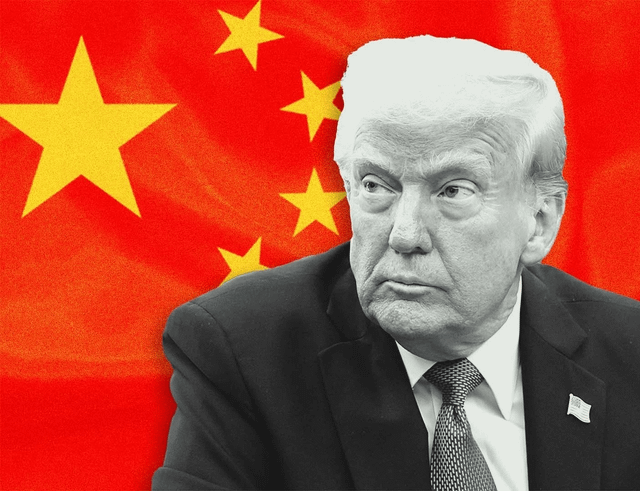
Markets are nearly certain the summit happens. They are far less certain it will matter.
President Trump will travel to Beijing on May 14–15 for his first state visit to China since returning to office. The trip has been confirmed by both governments, and prediction markets reflect the near-certainty: Polymarket prices a 91.5% probability that Trump visits China by the end of May, as of May 4. But a separate question, whether the visit produces anything resembling a US-China trade deal by June 30, carries only a 42% chance on the same platform. That 49-point gap between visit and outcome is the number Washington should be watching.
China has already begun stage-managing the occasion. Beijing rolled out a package of revised sanctions rules this week, softening enforcement language around US-linked entities in what Fortune described as a “welcome mat” for Trump’s arrival. The adjustments are cosmetic. No structural tariff concessions have been tabled. No framework for a broader trade agreement has been reported by either side. What China has offered is an easier photo opportunity, not an easier negotiation.
The timing works against Trump in ways that go beyond trade. CNN’s analysis this week argued that the unresolved Iran conflict has weakened the president’s hand heading into the summit. American military resources and diplomatic bandwidth remain tied to the Middle East, and Xi Jinping knows it. A US president fighting a war he has not yet concluded does not arrive in Beijing from a position of strength. He arrives needing a win. Xi, by contrast, can afford patience. China’s economy is slowing but stable enough to absorb continued tariff friction through the summer. The asymmetry is structural: Trump needs the summit to look like progress. Xi merely needs to wait.
This is what the probability gap captures. Traders are not betting against the visit. They are betting against its substance. A 91.5% chance of showing up paired with a 42% chance of a deal is the market’s way of saying: expect a handshake, not a framework. The pattern is familiar. Trump’s first-term summits with Kim Jong Un in Singapore and Hanoi followed the same arc: dramatic staging, thin outcomes, domestic coverage that treated the spectacle as the achievement.
The domestic logic matters here as much as the geopolitical one. Trump does not need a trade deal to extract political value from Beijing. He needs footage. He needs the split-screen of a sitting president negotiating with America’s chief economic rival while his potential successors jockey at home. Vice President Vance currently leads the 2028 Republican nomination field at 38.9% on Polymarket as of May 4, a number that reflects both his proximity to power and the party’s uncertainty about what comes next. A Beijing summit that looks presidential, even without deliverables, reinforces the incumbent’s relevance and complicates the lane for anyone positioning to succeed him.
The broader trade picture remains unresolved and is arguably deteriorating. Trump threatened the European Union with higher car tariffs just days before the Beijing trip, a move that signals his “trade over aid” posture is hardening across all fronts, not softening for China’s benefit. At the European Political Community summit in London on May 4, Prime Minister Starmer urged European leaders to confront the reality of sustained tension with Washington. The US is not entering a conciliatory phase. It is entering a performative one.
What investors and policymakers should watch is not the summit itself but the weeks that follow. If no framework for tariff reduction emerges by early June, the 42% deal probability will compress further, and the post-summit period will look less like a diplomatic opening and more like a return to the baseline: escalatory rhetoric, selective enforcement, and bilateral trade volumes that continue to reorganise around the tariff wall rather than dismantle it.
The visit will happen. The cameras will roll. The question prediction markets are answering, with unusual clarity, is whether any of it will change the trajectory of the most consequential economic relationship on Earth. At 42%, the answer is: probably not.
New to Polymarket?
Sign up via our link and get 6 months of Future Times Pro free — worth £30. Learn more