Trump Goes to Beijing. Markets Don't Expect a Deal.
The visit is confirmed. The trade breakthrough is not. A 37-point gap between summit odds and deal odds tells the real story.
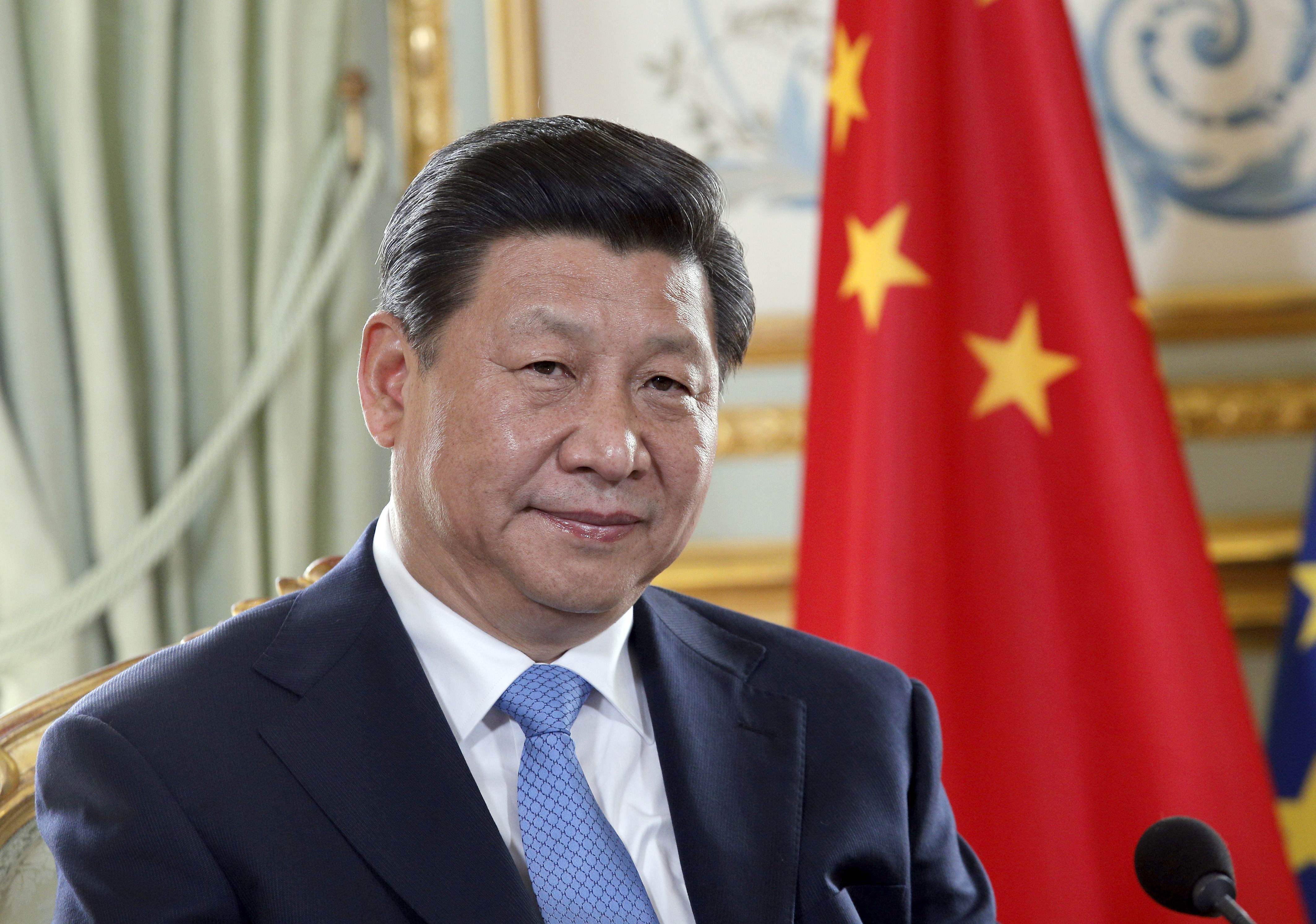
Donald Trump will arrive in Beijing on May 14 for a two-day summit with Xi Jinping. The trip, confirmed after months of diplomatic back-and-forth, has been in the making since pre-summit trade talks in Paris in mid-March. Prediction markets now place the probability of the visit happening at 79.5% on Polymarket as of May 1, with high volume and rising conviction.
But the more revealing number sits elsewhere. The probability of a US-China trade deal by July 31 is just 42%. That 37.5 percentage-point gap between the visit and the deal is the sharpest signal in the data: traders believe the summit will happen, and they believe it will produce very little.
This is not the framing Beijing or Washington would prefer. Both governments have spent weeks casting the trip as a turning point. Pre-summit trade talks in Paris on March 15 were billed as clearing the path to a breakthrough. The scope of the diplomatic preparation suggested ambition. The market's response suggests scepticism.
Three factors explain the gap.
First, the Supreme Court. In February, the Court issued a ruling that curtailed Trump's unilateral tariff authority, a decision CNBC described as strengthening China's negotiating position before a single handshake in Beijing. Trump arrives with fewer cards than he held during the 2018-2019 trade war, when executive tariff power was effectively unchecked. Reuters reported in early April that no tariff rollbacks have been signalled ahead of the summit. Without the ability to offer or threaten tariffs unilaterally, Trump's leverage shrinks to rhetoric and relationship.
Second, China has been preparing. CNA reported on April 17 that Beijing has spent weeks building counter-leverage and limiting its own exposure ahead of the summit. This is not the reactive China of 2018. The Paris talks, the careful diplomatic staging, the public confidence from Chinese officials all point to a government that expects to negotiate from strength, not concession.
Third, history. Foreign Policy published a retrospective on April 27 examining five decades of US-China summits. The conclusion was blunt: summits reliably deliver process, not substance. Joint communiqués, working groups, new dialogue mechanisms. Rarely do they produce binding agreements that shift the trade balance. The pattern is so consistent that it functions less as analysis and more as prediction.
The visit itself was not always certain. The trip was originally scheduled earlier but was delayed by the Iran conflict, according to both BBC and Al Jazeera reporting from late March. That delay is an angle most coverage skips, but it matters. It means the summit is happening not on Trump's preferred timeline but on a revised one shaped by the same geopolitical pressures that have consumed his second term. Beijing waited. Beijing did not cancel.
Xi Jinping is also managing a broader diplomatic calendar. Kyiv Post reported on April 15 that Vladimir Putin may visit China in May as well, meaning Xi could host both the American and Russian presidents within weeks. The optics favour Beijing: a superpower host receiving visits rather than making them, managing multiple great-power relationships simultaneously.
For Taiwan, the summit provides temporary stability. Prediction markets price a Chinese invasion of Taiwan by June 30 at just 2.1%, effectively signalling that both sides prefer calm during the diplomatic window. Neither Washington nor Beijing benefits from a Taiwan crisis in the weeks surrounding a presidential visit. That number should hold through mid-May. What happens after is a different question.
The market's verdict is not that the trip is unimportant. A visit priced at 79.5% with $500,000 in volume is not a sideshow. It is that the trip is important for reasons that have nothing to do with trade: diplomatic signalling, domestic political positioning, and the management of a relationship that both sides need to keep functional without either side being willing to pay the price of a genuine reset.
The number to watch is not whether Trump boards the plane. It is whether the 42% trade deal figure moves after he lands.
New to Polymarket?
Sign up via our link and get 6 months of Future Times Pro free — worth £30. Learn more