Trump and Xi Are Meeting. Markets Already Know How It Ends.
The Beijing summit is confirmed, but a 53-point gap between visit probability and deal odds tells the real story.
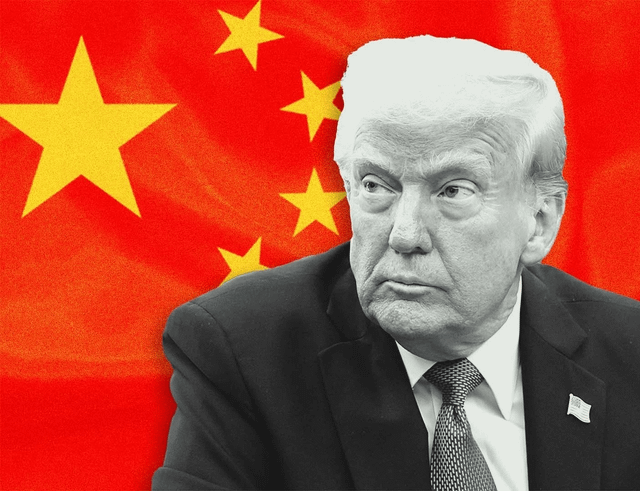
The summit everyone expected is happening. What comes out of it is another matter entirely.
Donald Trump arrives in Beijing this week for his first presidential visit to China since returning to office, a meeting that prediction markets have priced as near-certain at 95% on Polymarket as of 08:00 GMT, May 12. The diplomatic choreography is locked in. The substance is not. A separate market tracking the probability of a US-China trade deal sits at just 42% as of the same timestamp: a 53-point gap between the handshake and the outcome it is supposed to deliver.
That spread is the story. Markets are not betting against engagement. They are betting against resolution.
The agenda in Beijing is enormous. Reuters reports the talks will span trade, Iran's nuclear programme, and artificial intelligence regulation. The breadth itself is a signal. Summits with wide agendas and tight timelines historically produce communiqués, not breakthroughs. The most concrete deal mechanism in circulation is a revival of US energy exports to China, floated by Reuters on May 12 as a potential early deliverable. It is achievable precisely because it is narrow: a transactional carve-out that sidesteps the structural disputes over tariffs, technology transfer, and industrial subsidies that have defined the relationship since 2018.
Fortune reported on May 11 that Trump and Xi may meet four times over the next eight months, with Air Force One already headed to Beijing. The framing was optimistic. The implication is less so. Four meetings in eight months is not a schedule for closing a deal. It is a schedule for managing a deadlock. Prediction markets are pricing exactly this pattern: persistent diplomatic activity without convergence on terms.
China enters the room with structural leverage. The Council on Foreign Relations published an analysis on May 10 arguing that Beijing holds the upper hand at this summit. Trump's concurrent confrontation with Iran, now in its 73rd day, limits his bandwidth and bargaining position. The Atlantic Council reinforced this reading on May 7, noting that trade uncertainty still looms large even as the summit date approached. Beijing can afford to wait. Washington, facing legal challenges to its 10% global tariff baseline and a domestic political calendar that accelerates toward the 2028 primaries, may not have the same luxury of patience.
The tariff question hangs over everything. Supply Chain Dive reported on May 11 that US importers are weighing lawsuits against the global tariff regime, adding judicial uncertainty to any bilateral trade commitment Trump might offer. A deal signed in Beijing could face injunctions in Washington. Markets appear to have noticed: the 42% deal probability prices in not just diplomatic difficulty but domestic legal risk.
For professional readers tracking this summit from Singapore to Brussels, as CNBC flagged on May 12, the watchpoint is straightforward. If the summit produces an energy export framework or a tariff reduction on a specific goods category, deal probability will move sharply upward. If it produces a joint statement on "continued dialogue" and a date for the next meeting, the 42% figure will hold or decline. The gap between visit certainty and deal scepticism will tell you more about the state of US-China relations than anything said at the press conference.
Serial engagement is not the same as progress. Markets know the difference.
New to Polymarket?
Sign up via our link and get 6 months of Future Times Pro free — worth £30. Learn more