Goldman and Deutsche Bank now see the Fed hiking into 2027. One inflation report did it.
Future Times4 min read
In 30 seconds
Two of Wall Street's biggest Fed forecasters added a third rate rise after October's hot CPI. Traders went further, and now treat a January hike as close to even money, with a half-point move in December a live minority view.
- Goldman now expects a third quarter-point hike in March, taking the Fed's rate to a 4.25%-4.5% peak
- Traders give a January hike 51%, up 25 points in a day, so back-to-back moves are now a central case
- A half-point December hike has gone from below 1% to 11% in a week
What it means
- MarketsTwo-year yields are now pricing a higher peak, not just a December move.
- Stocks and sectorsRate-sensitive groups carry the most risk from a longer cycle: homebuilders, commercial property, small caps with…
- BusinessCompanies that planned to refinance in early 2027 on the assumption of a pause face higher borrowing costs for longer…
- PolicyThe December projections will show whether most officials back a third hike.
What to watch
- 8-9 DecThe November jobs and inflation reports land before the Fed's 8-9 December meeting
The odds
Polymarket · live, 07:00 GMTFed raises rates again in January
up 39 points over 7dfrom 19% a week ago51% when this was published
Signals to watch
- A January hike priced above 60% would make back-to-back moves the base case.
- A fall back below 30% would point to Goldman's March timing, or to no third move at all.
Now · 58%
Think the market's wrong? Add your forecast and see who's closer.
- Fed Decision in January: No change41%down 33 points
- Fed Decision in December: 25 bps increase87%up 10 points
- Fed Decision in December: 50+ bps increase9%up 9 points
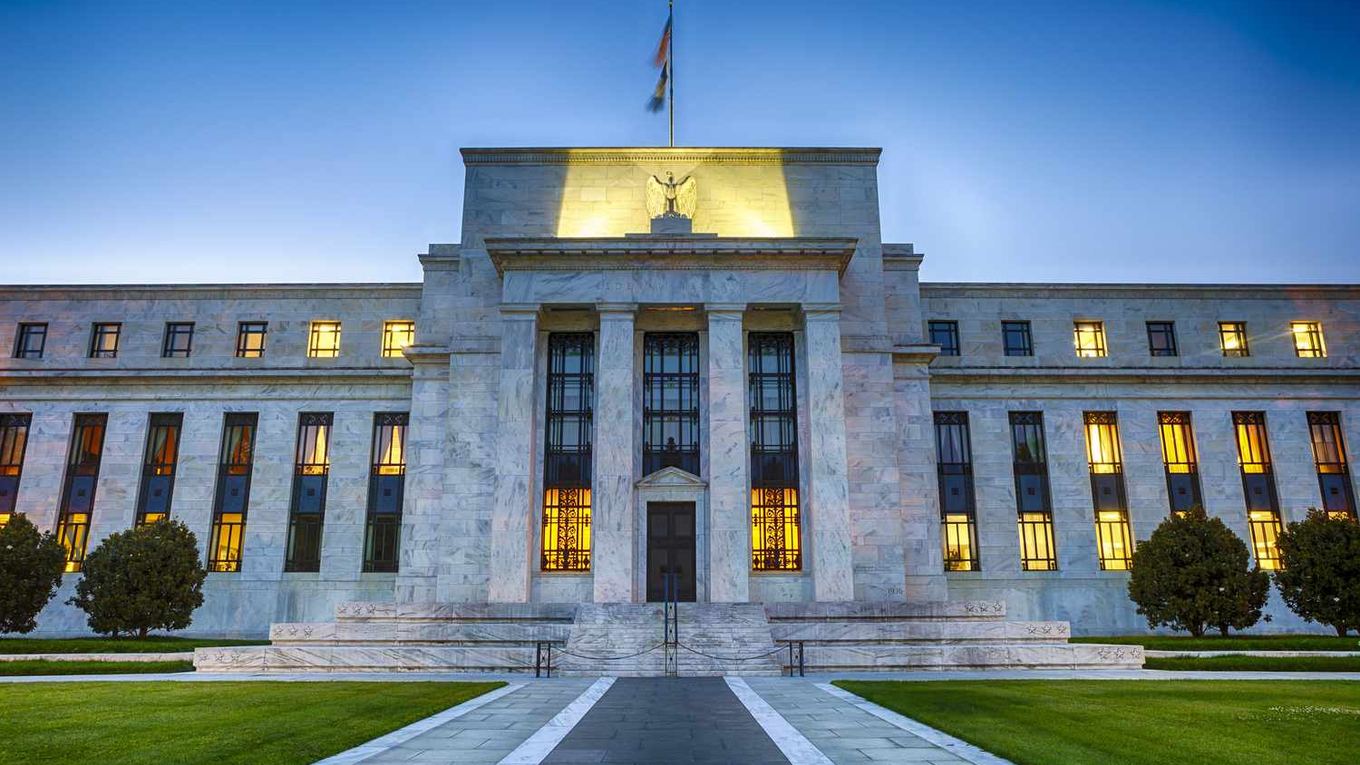
Goldman Sachs no longer thinks the Federal Reserve's hiking cycle ends in December. On Wednesday the bank added a third quarter-point rise to its forecast, pencilled in for March 2027, which would take the federal funds rate from its current 3.75%-4% to a peak of 4.25%-4.5%. Deutsche Bank, which had expected moves in December and March, now expects one in January as well.
Both calls followed Tuesday's consumer price report, which came in hotter than forecast for both headline and core prices. Traders have moved faster than the banks. As of 11 November they put the chance of a quarter-point hike at the Fed's late-January meeting at 51%, up 25 points in a day. A day ago the market's central case was one more hike in December and then a pause. It is now split almost evenly between that and back-to-back rises in December and January.
That matters because a pause was the soft landing for borrowers: one last move, then a long hold. Back-to-back hikes would show a Fed still chasing inflation, and would keep 10-year Treasury yields pressed against 5%.
Three hot months, not one
The Labor Department said consumer prices rose 0.4% in October, after 0.6% in September. Core prices, which strip out food and energy, rose 0.3% for the third month running, against forecasts of 0.2%. Services excluding energy also rose 0.3%.
David Mericle, Goldman's chief US economist, said the gains in several categories "appeared to reflect more than just the most direct effects of higher" oil prices. An oil shock can be looked through once crude falls. Price rises spreading beyond energy cannot.
Goldman's case for March rather than January is about seasonal timing. Mericle expects softer readings for November and December, then the larger start-of-year price increases the bank calls the "January effect". A firm January report, he argued, would make a third hike "the path of least resistance" even if the energy shock fades. He also expects most officials to signal a third hike in the Fed's December projections. Goldman pushed its first rate cut back to December 2027.
The Fed is talking the same way
Governor Christopher Waller set the tone before the data on Tuesday, saying a half-point December rise should be considered if core inflation came in around 0.3% or higher, because "hiking only 25 basis points would put our credibility at risk". It did.
Anna Paulson, president of the Philadelphia Fed and a voter this year, said on Tuesday that "further gradual tightening seems appropriate", and that "monetary policy needs to be somewhat restrictive to bring inflation back to 2 percent." Austan Goolsbee of the Chicago Fed called the report "borderline disturbing" in an interview with PBS NewsHour.
The two-year Treasury yield, the maturity most tied to Fed expectations, jumped 17 basis points to 4.74% on Tuesday. The 10-year rose 11 points to 4.99% after briefly topping 5%. The S&P 500 fell 0.4%. US cash bond markets were shut on Wednesday for Veterans Day, so the January repricing has yet to face a full Treasury session.
A cycle, not a last step
A December hike is close to settled: traders put the chance of no change at 3.8%. The question is size and sequel.
A half-point December move, which Waller raised and both Goldman and Deutsche Bank say is not their base case, now stands at 11%, up from below 1% a week ago. Traders give three hikes in calendar 2026, which would require that larger December step after September's rise, a similar 11%.
On the full path, a December hike followed by a January hike is priced at 45%, up 29 points in a day, against 52% for a December hike and then a pause. A day ago the pause scenario stood at 76%. For March, where Goldman puts its third move, traders put the chance of a hike at that meeting at 55%, up 17 points in a day, though on less than $100,000 of trading.
The gap between banks and traders is about timing, not direction. Goldman prefers March and Deutsche Bank January, but both now forecast a peak above the 4%-4.25% that a December-only cycle would reach. With traders putting both January and March close to even, the pricing is consistent with a third hike becoming the expectation and its date the open question.
Why the Fed could still stop in December
The strongest case for a pause rests on oil. Crude has fallen since the elections, and Mericle himself says most of the energy pass-through should now be behind the economy. Paulson said she would want to act more quickly only if inflation expectations drifted up, wage pressures built or underlying inflation moved higher, which leaves her preferred pace gradual.
If November and December prices cool as Goldman expects, the January hike would lose its justification, and the 49% the market still gives a January hold would look right.
What it means for markets, business and policy
Markets Two-year yields are now pricing a higher peak, not just a December move. If January becomes the base case, the dollar stays supported and the 10-year sits near 5%, keeping long-duration assets under pressure.
Stocks and sectors Rate-sensitive groups carry the most risk from a longer cycle: homebuilders, commercial property, small caps with floating-rate debt and unprofitable technology.
Business Companies that planned to refinance in early 2027 on the assumption of a pause face higher borrowing costs for longer, and Goldman no longer sees a first rate cut before December 2027.
Policy The December projections will show whether most officials back a third hike. If they do, as Goldman expects, Kevin Warsh's Fed will have signalled a cycle without formal forward guidance.
What to watch
The November jobs and inflation reports land before the Fed's 8-9 December meeting. The new projections that day are the clearest test of a third hike. A January hike priced above 60% would make back-to-back moves the base case; a fall back below 30% would point to Goldman's March timing, or to no third move at all.
The Fed has not yet decided whether December is the end. The market has decided it probably is not.