Israel Braces as Iran Talks Near Collapse
On day 58 of the US-Israel-Iran conflict, Netanyahu backs the Hormuz blockade and signals diplomacy is failing — while prediction markets remain silent.
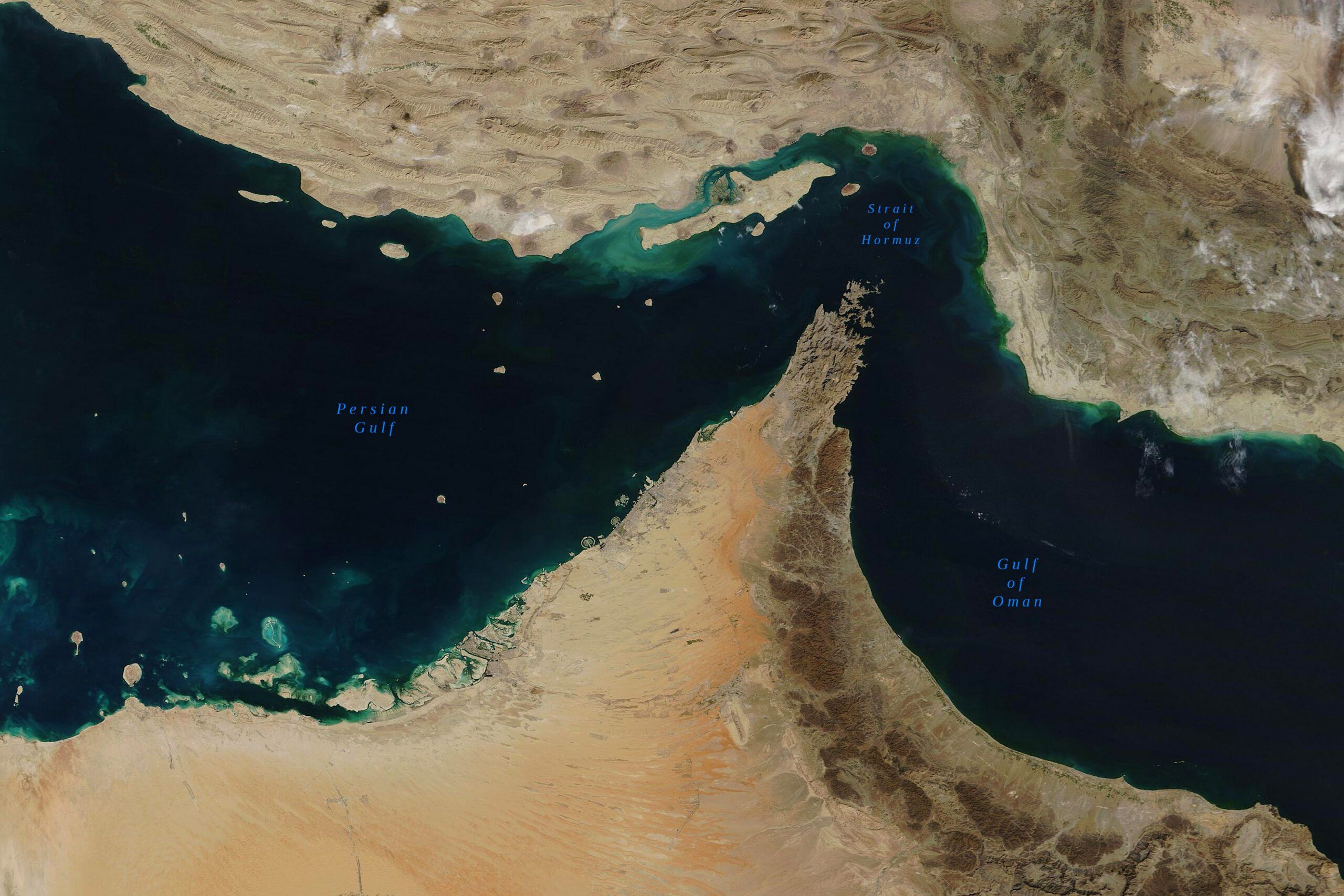
Fifty-eight days into the most dangerous military confrontation in the Middle East since 2003, Israel is positioning itself for what its leadership increasingly views as the failure of US-brokered negotiations with Tehran.
Prime Minister Benjamin Netanyahu has aligned Israel firmly behind the American naval blockade of the Strait of Hormuz, casting it as the only lever capable of forcing Iran to abandon its nuclear enrichment programme and relinquish control of the world's most critical oil chokepoint. The IDF remains on heightened alert. Senior Israeli figures have signalled to foreign media that a resumption of direct hostilities may now be unavoidable.
The warning lands against a diplomatic backdrop that offers almost nothing to contradict it. Pakistan, which has emerged as the sole viable intermediary between Washington and Tehran, hosted US negotiators in Islamabad this week. Iran's foreign minister conveyed conditions for ending the war through Pakistani channels on Saturday. But multiple international outlets — the Guardian and Business Standard among them — reported as of April 26 that the talks have produced no headway whatsoever.
The trajectory is clear, even if the destination is not. When Iran first closed the Strait of Hormuz, the act was met with a mix of disbelief and market panic. A brief reopening on April 16–17 offered a flicker of de-escalation; Brent crude fell below $84 a barrel in a single session. That window slammed shut on April 18, when Iranian forces fired on commercial vessels transiting the strait. By April 23, Brent had surged to roughly $105 — the highest price recorded during the crisis and deep into supply-shock territory for import-dependent economies across Asia and Europe.
Netanyahu's public stance, articulated on April 13, left little room for diplomatic ambiguity: "The Iran ceasefire could end at any moment. We back Trump's blockade." The statement was notable not just for its content but for its timing — delivered as the last round of indirect talks was collapsing. It signalled that Israel views the blockade not as an escalation to be managed, but as a strategic instrument to be embraced.
The American position has its own contradictions. CNN observed the paradox at the heart of Washington's approach: Trump is threatening to blockade a strait that Iran is already blockading. The logic, such as it is, rests on the idea that a formal US naval cordon transforms Iran's own closure into an act with consequences — sanctions enforcement by other means, backed by carrier strike groups rather than executive orders. The New York Times, in an April 7 analysis headlined "How Trump Took the U.S. to War With Iran," traced the path from maximum-pressure rhetoric to kinetic confrontation, arguing that each escalatory step was framed domestically as defensive.
Israel's calculus is different. For Netanyahu, the Hormuz crisis serves a dual purpose: it keeps international attention fixed on Iran's conventional military threat while advancing the argument that Tehran's nuclear programme cannot be contained through negotiation alone. The longer the strait stays closed and talks go nowhere, the stronger the case for military action against Iranian nuclear infrastructure — an option Israel has kept on the table for two decades.
What is striking, however, is the silence from prediction markets. As of this writing, no major platform — Polymarket included — has active contracts pricing the probability of a full diplomatic collapse or a return to direct Israel-Iran hostilities. The absence is itself a signal. Markets that typically front-run geopolitical risk are lagging the reality on the ground, suggesting either insufficient liquidity in conflict-related contracts or a collective underpricing of escalation risk. For investors and analysts tracking this crisis, the gap between market pricing and diplomatic reality deserves close attention.
Pakistan's role as intermediary is the last thread holding the diplomatic architecture together. Islamabad has relationships with both Tehran and Washington that no other capital can replicate, and Iran's decision to route its conditions through Pakistani channels rather than through the UN or European mediators reflects a pragmatic recognition of where leverage actually sits. But intermediation is not mediation. Pakistan can carry messages; it cannot compel compromises.
The coming days will determine whether this crisis follows the pattern of past Gulf confrontations — brinkmanship followed by a face-saving off-ramp — or whether it becomes something structurally different. With oil above $100, the strait closed, talks stalled, and Israel openly preparing for their failure, the off-ramp is narrowing by the hour.
Day 58. No deal. No ceasefire. No market pricing what comes next.
New to Polymarket?
Sign up via our link and get 6 months of Future Times Pro free — worth £30. Learn more