Josh Hawley now wants a data centre moratorium. The states that could actually impose one are in no hurry
Future Times5 min read
In 30 seconds
The first Republican senator to back a pause has six weeks and no bill. Texas has a governor-elect who campaigned for one. Traders still see a statewide ban as a 2027-28 fight, while AI valuations have already taken the hit.
- Hawley's call for a federal pause has no bill behind it and six weeks to run
- Traders give each big data centre state roughly a one-in-five chance of a statewide ban by end-2027
- Traders now see an Anthropic debut below $1.5tn as more likely than not, as AI stocks reprice the buildout
What it means
- MarketsTraders price moratorium risk as a 2027-28 discount, not an imminent halt.
- Stocks and sectorsDevelopers that live on new capacity, such as CoreWeave, Applied Digital and IREN, and grid suppliers such as GE…
- BusinessSiting is likely to drift to states without moratorium fights, with more projects bringing their own power, as the GRID…
- Politics and policyHawley gives cover to Republicans who want to act on power bills, but the likelier federal outcome is a cost-allocation…
What to watch
The Texas legislature opens in January with Hinojosa in office: a moratorium bill there is the clearest test of whether the election changed votes.
The odds
Polymarket · live, 00:27 GMTIndiana enacts statewide data centre moratorium by 2027
up 2 points over 7dfrom 17% a week ago
Signals to watch
- A Texas chance above 30% by 30 June would say traders think the session can deliver.
Now · 19%
Think the market's wrong? Add your forecast and see who's closer.
- Indiana enacts data center moratorium by June 30, 202710%down 1 point
- Indiana enacts data center moratorium by December 31, 20262%unchanged
- Texas enacts data center moratorium by December 31, 202720%down 1 point
"Senate Republicans trying to figure out what to do in the next 6 weeks? Here you go," Josh Hawley wrote on X on Wednesday. Between defunding Planned Parenthood and suspending the gas tax, the Missouri senator listed: "MORATORIUM on data centers."
That makes Hawley the first Republican senator to back a national pause on construction, a cause that until now belonged to Bernie Sanders and Alexandria Ocasio-Cortez. His spokesperson told Politico that Hawley wants a federal moratorium "until Congress passes a bill of rights" giving taxpayers "guarantees of no rate increases".
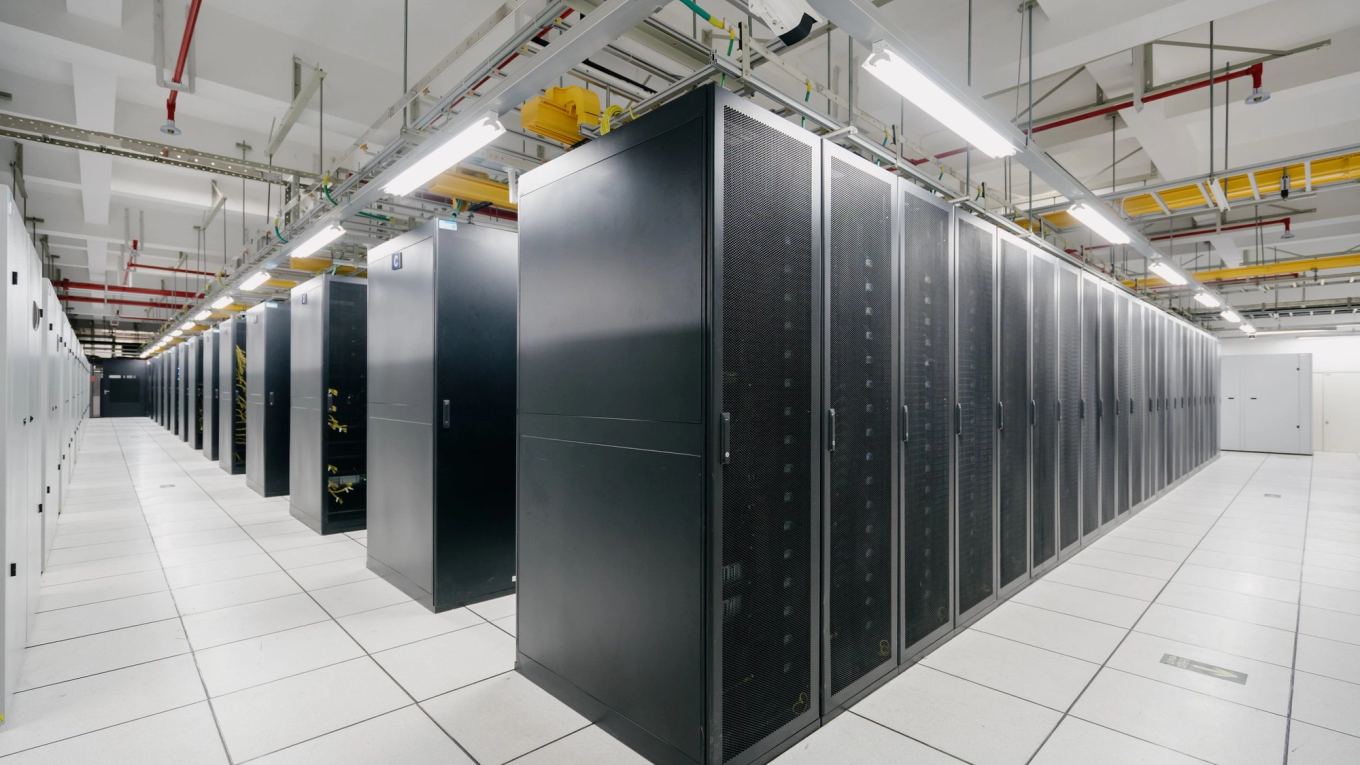
The backlash against the AI buildout is now bipartisan, and it won elections on 3 November. Yet traders do not expect it to stop construction soon. In the states where the fight is hottest, they give a statewide moratorium roughly a one-in-five chance by the end of 2027 and one in three by the end of 2028. The repricing has happened elsewhere: in AI shares and in what Anthropic can expect when it lists.
A pause with no bill behind it
Hawley has not set out how a federal pause would work, and his own record points to something narrower. In February he and Richard Blumenthal, a Connecticut Democrat, introduced the GRID Act, which would require new data centres to secure their own power and give existing ones 10 years to do the same.
Even modest measures have stalled. The Ratepayer Protection Act, which would have asked state regulators to "consider" making large users pay for the grid built to serve them, passed the House by 417 votes to 3. On 30 September the Senate fell three votes short of the 60 needed to take it up; Chuck Schumer called it "toothless". The Sanders and Ocasio-Cortez moratorium bill, introduced in March, has gone nowhere.
A lame-duck Republican majority with six weeks left is unlikely to pass what it could not before the election. The live question is in the states.
The midterms turned power bills into votes
US electricity prices are up about 10% since early 2024, and voters noticed. Of the 41 data centre measures on midterm ballots, voters were on track to reject development in all but one, according to the Data Centers on the Ballot tracker.
In Texas, Democrat Gina Hinojosa beat Greg Abbott by 57% to 41% in unofficial results after campaigning for a moratorium on new data centres. She called Abbott's 21 September order, which told the state's environmental regulator to "halt all permits sought by data centers" pending a grid audit, an "election year pause". Ohio's governor-elect, Amy Acton, backs a conditional moratorium; Georgia's, Keisha Lance Bottoms, wants a statewide pause.
What traders expect from the states
An executive freeze like Abbott's lasts only as long as the governor who ordered it. A moratorium written into state law is another matter, and there traders see almost nothing this year and a slow build after.
Table: Chance a state enacts a statewide data centre moratorium (as of 12 November)
| State | By 31 Dec 2026 | By 30 Jun 2027 | By 31 Dec 2027 | By 31 Dec 2028 |
|---|---|---|---|---|
| Texas | 1.9% | 18% | 21% | 33% |
| Indiana | 2.4% | 11% | 19% | 31% |
| Ohio | - | - | 21% | - |
| Missouri | - | - | 18% | 32% |
| Oklahoma | - | - | 17% | - |
| Louisiana | - | - | 14% | - |
Indiana, where at least 17 counties already have temporary moratoriums, draws the most attention from traders; its 19% chance for 2027 has edged up only two points in a week. Texas is the more revealing case. Almost all of its 2027 chance falls before 30 June, the window of the legislative session that opens in January, when Hinojosa takes office. A governor-elect who campaigned on a moratorium lifts Texas only to the top of the pack, because she cannot enact one alone.
One price looks out of line: traders give 28% to any state enacting a moratorium by 31 December, though each state above sits at 3% or less for that date. That figure is either too high or pointing to a state outside the usual list.
Where the backlash is already priced
The bigger repricing has been in shares. On 5 November, as results landed, the Nasdaq fell 5.2% by midday and the chip index headed for its worst day since March 2020; CoreWeave lost 9%. Dan Ives of Yorkville Ives estimated that at least "10% of the planned 800-1,000 AI focused data centers in the US will now be wiped off the roadmap".
The same pressure shows in the expected value of Anthropic, which filed to list under the ticker ANT after raising money at $965bn in May. Traders give 37% to a closing value between $1.25tn and $1.5tn on its first day of trading, up 20 points in a week, and 20% to below $1.25tn, up eight points on Wednesday alone. Together, a debut below $1.5tn is now better than even: a buildout that continues, but slower and dearer.
Why the states could move faster
Three governors-elect in big data centre states campaigned on pauses, and a September poll found 70% of Democrats and 57% of Republicans favoured limiting new construction. With each state near one in three by the end of 2028, the chance that at least one acts is higher still. A single statehouse treating the election as a mandate in its first session would prove traders too cautious.
What it means for markets, business and politics
Markets Traders price moratorium risk as a 2027-28 discount, not an imminent halt. The nearer threat to AI earnings is delay and cost: permit freezes and rules making data centres pay for grid upgrades.
Stocks and sectors Developers that live on new capacity, such as CoreWeave, Applied Digital and IREN, and grid suppliers such as GE Vernova are most exposed to state action; cash-rich hyperscalers that can build abroad, less so.
CRWVAPLDIRENGEVBusiness Siting is likely to drift to states without moratorium fights, with more projects bringing their own power, as the GRID Act would require.
Politics and policy Hawley gives cover to Republicans who want to act on power bills, but the likelier federal outcome is a cost-allocation law in the next Congress, not a ban.
What to watch
The Texas legislature opens in January with Hinojosa in office: a moratorium bill there is the clearest test of whether the election changed votes. Watch, too, whether Senate leaders give Hawley's list floor time before the year ends, and where Anthropic prices. A Texas chance above 30% by 30 June would say traders think the session can deliver.
The backlash has won the argument. It has not yet won a law.