Peru's Runoff Is a Dead Heat. Markets Disagree.
Prediction markets price Keiko Fujimori as the clear favourite for Peru's presidency, but polls show a tied race and history suggests traders are wrong.
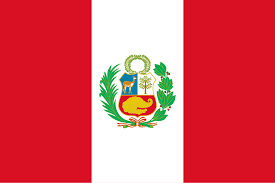
Peru's presidential runoff result will not arrive until mid-May. The country's election chief resigned on April 21 amid frustration over a prolonged ballot count, leaving disputed votes unresolved and the official confirmation of the second-round matchup in limbo. What is already clear is that Keiko Fujimori and Roberto Sánchez Palomino will face each other in a polarised contest that polls say is far closer than markets believe.
Head-to-head polling puts the two candidates at approximately 38% each. A statistical dead heat. On Polymarket, Fujimori trades at 66% to win the presidency, with Sánchez Palomino at 32%. That is a 34-point gap built on a foundation that recent data does not support.
The mismatch has a familiar shape. In 2021, Pedro Castillo entered the Peruvian runoff as a left-wing outsider against Fujimori herself. Markets and political establishment consensus treated him as a long shot. He won. The conditions were strikingly similar: a polarised electorate, a right-wing candidate carrying institutional familiarity, and a challenger drawing energy from voters who felt the system had failed them. Traders who priced Fujimori as a near-certainty then lost money. The question is whether they are repeating the same mistake now.
Three factors suggest the current pricing is brittle. First, Fujimori is running for the presidency for the third time. Dynasty fatigue is real and measurable. Younger voters, who have registered in record numbers since 2024, show lower affinity for the Fujimori name than any previous cohort. Polling is beginning to capture this shift. Markets are not.
Second, the resignation of Peru's election chief is not background noise. It signals internal institutional disputes over ballot validity at a moment when the count itself is contested. Procedural chaos of this kind historically benefits challengers. It erodes the known quantity premium that establishment-adjacent candidates like Fujimori carry in prediction markets, because the institutional architecture those candidates rely on is visibly fracturing.
Third, Sánchez Palomino's left-populist platform draws from the same coalition that carried Castillo to victory: rural voters, informal economy workers, and young urbanites sceptical of Lima's political class. The structural conditions for a Castillo-style upset are present. They are not identical, but they rhyme closely enough that a 66% Fujimori price looks like a market that has anchored to name recognition rather than updated on evidence.
None of this means Fujimori will lose. She retains significant advantages: organisational infrastructure, business-community backing, and a first-round lead that gives her campaign momentum. But a 66% probability implies the race is roughly two-to-one in her favour. Polling says it is a coin flip. The gap between those two assessments is where the real story sits.
The next three weeks will determine whether markets correct or polls drift. Traders should watch three signals before the mid-May result. The ballot count timeline: further delays or legal challenges to disputed votes would extend the information vacuum that currently inflates Fujimori's price. Polling movement: any shift beyond the margin of error in either direction will force a rapid repricing. And institutional signals: if the election authority's leadership crisis deepens, it strengthens the anti-establishment current that Sánchez Palomino rides.
Peru's prediction market is pricing certainty into a race defined by uncertainty. The last time traders made that bet on a Fujimori runoff, they were wrong.
New to Polymarket?
Sign up via our link and get 6 months of Future Times Pro free — worth £30. Learn more