Spain, Sweden and Israel may all settle their leaders this week. The safest-looking result hangs on a split party
Future Times4 min read
In 30 seconds
Traders treat a right-leaning Spain, a Kristersson comeback in Stockholm and a December Fed hike as done deals. The real uncertainty sits in Israel's deadline, Friday's jobs report and a Centre Party vote this afternoon.
- The Centre Party council votes today; Kristersson only falls if almost all 25 of its MPs vote against him
- A right-wing majority in Spain looks surer than the PP topping the poll
- A December Fed hike is priced in; Friday's jobs data decides January
What it means
- MarketsThe December hike is fully priced, so the real repricing risk this week sits in January contracts and short-dated…
- Stocks and sectorsMarvell and Salesforce report into rising rates.
- Politics and policyA PP government that depends on Vox, and a Swedish cabinet that depends on Sweden Democrat abstention, would both rest…
- GeopoliticsAn Eisenkot-led government, with or without Likud, would change who sets Israel's security policy.
What to watch
- 29 Nov29 November: the Centre Party council and Spain's results. 30 November, 1pm: the Riksdag vote. 1-2…
- 30 Nov29 November: the Centre Party council and Spain's results. 30 November, 1pm: the Riksdag vote. 1-2…
- 1-2 Dec29 November: the Centre Party council and Spain's results. 30 November, 1pm: the Riksdag vote. 1-2…
- 4 Dec29 November: the Centre Party council and Spain's results. 30 November, 1pm: the Riksdag vote. 1-2…
- 6 Dec29 November: the Centre Party council and Spain's results. 30 November, 1pm: the Riksdag vote. 1-2…
The odds
Polymarket · live, 11:59 GMTUlf Kristersson is Sweden's next prime minister
up 42 points over 7dfrom 45% a week ago91% when this was published
What would move these odds
- The Centre Party council rejecting the Kristersson deal on 29 November would push the odds down sharply
- 175 or more MPs voting against him in the Riksdag on 30 November would send him back to square one
- A clean approval on Monday would take the odds close to certainty
Now · 87%
Think the market's wrong? Add your forecast and see who's closer.
- Next Prime Minister of Sweden: Magdalena Andersson9%down 44 points
- Which coalition will form the next Swedish government: M + KD + L + C90%up 59 points
- Sweden snap election called in 20269%down 18 points
Fifty-nine members of Sweden's Centre Party meet at 1pm on Sunday to decide whether their party will help put Ulf Kristersson back in office. A day later the Riksdag votes on him. In between, Spaniards finish voting in a snap general election, and in Israel Gadi Eisenkot has until 6 December to turn a surprise offer from Benjamin Netanyahu into a government.
The US jobs report follows on Friday 4 December, the last big data point before the Federal Reserve meets on 8-9 December. Read together, the markets say Europe is leaning right and the Fed is still tightening into it. They also show where traders' confidence rests on surprisingly little.
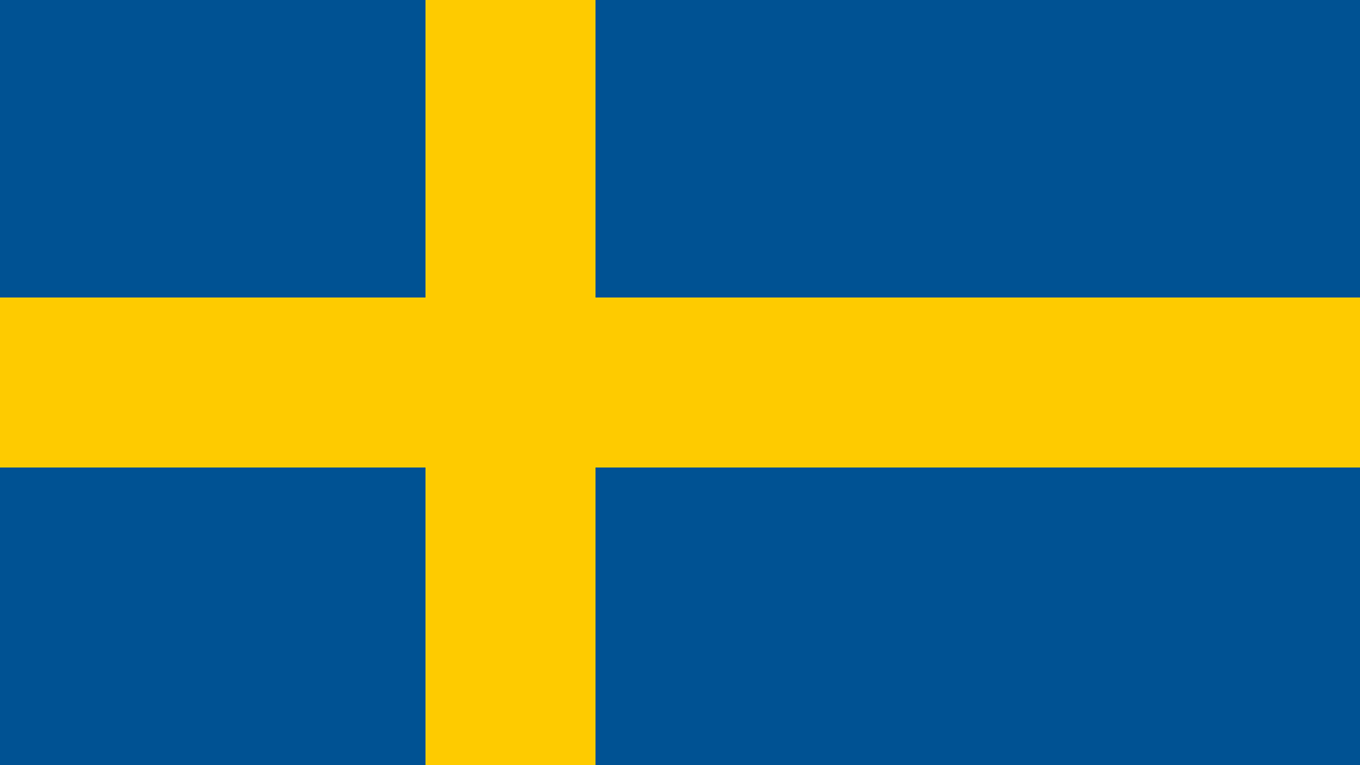
Stockholm's near-certainty has a weak joint
Kristersson's odds of becoming Sweden's next prime minister have jumped from 45% to 91% in a week (as of 29 November). Magdalena Andersson, the Social Democrat leader, has fallen from 53% to 8.5%. The trigger was the Centre Party leadership's decision on 26 November to back a Moderate, Centre, Christian Democrat and Liberal minority government. Elisabeth Thand Ringqvist, the Centre leader, called it "our third choice".
Under Swedish rules Kristersson is approved unless 175 of the 349 MPs vote against him. His four parties hold 136 seats. The Sweden Democrats, with 62, have signalled they will let him through, and their leader Jimmie Åkesson has told the new government: "You're on your own." That leaves the Social Democrats, Left and Greens with 151 votes against: 24 short.
The weak joint is the Centre Party itself. Thand Ringqvist has said the council "is the party", and that her own future as leader depends on what it wants. Its youth and women's wings oppose the deal, and one Centre MP, Birgitta Ohlsson, says she will vote against Kristersson anyway. But the numbers cut both ways. Even if the council says no, Kristersson falls only if at least 24 of the 25 Centre MPs then vote against him. That is not impossible: several prominent Centre MPs, including Ohlsson and Muharrem Demirok, have said they will vote against him whatever the council decides.
Traders put the four-party coalition at 93%, up from 31% a week ago, and a snap election this year at 8.5%. Speaker Andreas Norlén has warned of a "significant risk of a new election". The market has stopped taking that warning seriously. A no vote this afternoon would test whether it was right to.
Spain: the bloc is surer than the party
Traders are surer of the Spanish right's combined strength than of its leading party. Alberto Núñez Feijóo has a 91% chance of becoming prime minister, and the People's Party (PP) and Vox together have a 93% chance of a majority of the 350 seats. Yet the PP's chance of winning the election is only 73%, against 28% for Pedro Sánchez's Socialists.
That gap reflects the polls. Private pollsters in mid-November had the PP ahead on about 31% of the vote, with Vox at 19%, and several said the two together could approach 200 seats. The state pollster CIS instead had the Socialists ahead, on 33% against the PP's 26%. The right's chance of taking half the popular vote has fallen from about 40% to 16% in a week, so traders expect a seat majority without a majority of votes. The open question is the price of Vox's support: Santiago Abascal has made clear any deal with the PP will come with conditions.
Israel: the man is priced, the deadline is not
Eisenkot has an 88% chance of being Israel's next prime minister, up 28 points in a week. Netanyahu has fallen to 8%. On 28 November Netanyahu offered to let Eisenkot serve first in a rotation, with himself as alternate prime minister, citing "the gravity of the existential danger". Eisenkot replied that he would "test its seriousness over the next 24 hours", and Likud said the two would meet on Sunday morning.
The timing is less certain than the name. Netanyahu's bloc won 53 seats and Eisenkot's 48; a majority needs 61. Eisenkot has said he will not take the 14-day extension to his 6 December mandate. Yet traders give only a 65% chance of a government being formed by 15 December, against 81% by year end. They think he will get the job, but not necessarily this week.
Washington: a hike is settled, the next one is not
A quarter-point rise on 9 December has a 95% chance, with no change at 3.8%. It would take the target range to 4.00-4.25%, and all 101 economists in a Reuters poll taken from 6 to 10 November expected it. January is genuinely open: a further rise is priced at 54%, against 43% for a hold.
That is where Friday's report matters. October payrolls rose 165,000 with unemployment at 4.1%, the Labor Department said. Another firm reading would leave a January rise more likely than not. A weak one would revive the case that December ends the cycle, as 56 of those 101 economists expected. Marvell reports on 1 December and Salesforce after the close on 2 December.
What it means for markets, business and politics
Markets The December hike is fully priced, so the real repricing risk this week sits in January contracts and short-dated Treasuries around Friday's payrolls, not in the Fed decision itself.
Stocks and sectors Marvell and Salesforce report into rising rates. Any sign that companies are slowing AI or software spending would weigh on richly valued growth stocks more than the hike itself.
CRMMRVLPolitics and policy A PP government that depends on Vox, and a Swedish cabinet that depends on Sweden Democrat abstention, would both rest on parties outside government, making budgets and migration policy harder to pass in 2027.
Geopolitics An Eisenkot-led government, with or without Likud, would change who sets Israel's security policy. Traders see a change of leader as far more likely than a quick handover.
What to watch
29 November: the Centre Party council and Spain's results. 30 November, 1pm: the Riksdag vote. 1-2 December: Marvell and Salesforce. 4 December: the November jobs report. 6 December: Eisenkot's deadline. By then, Europe's leaders may be settled. The Fed's path after December will not be.