Trump has stopped dangling business deals in front of Putin. The war is getting wider, not narrower
Future Times4 min read
In 30 seconds
With joint energy and aviation ventures off the table, and Ukrainian drones hitting Russian ships from Benghazi to the Gulf of Finland, traders have pushed their expected date for a ceasefire deal into late spring.
- Washington has dropped joint ventures as its main lure for Moscow, leaving sanctions and pressure on Kyiv as its levers
- Traders now see a ceasefire deal as more likely than not only by the end of May 2027
- Even a signed deal may not quiet the guns: traders rate an actual ceasefire well below an agreement
What it means
- MarketsA ceasefire pushed into mid-2027 keeps a war premium in European gas and diesel through the winter, and Ukrainian…
- BusinessCompanies that had pencilled in a post-war return to Russian energy, aviation or metals ventures face a longer wait…
- GeopoliticsStrikes in Libya and the Baltic draw Italy, Finland and the eastern Mediterranean into the conflict's orbit, raising…
- Politics and policyWith the economic lure gone, Washington's remaining levers are sanctions on Moscow and pressure on Kyiv, so the next US…
What to watch
Watch for the form of Russia's promised retaliation, likely aimed at Ukraine's energy system, and for any new Witkoff-Kushner visit to Moscow.
The odds
Polymarket · live, 11:55 GMTRussia and Ukraine agree a ceasefire by 31 March 2027
down 4 points over 7dfrom 30% a week ago
What would move these odds
- A new Witkoff-Kushner trip to Moscow with a written framework would lift the odds
- A Russian retaliation strike on Ukraine's energy grid, as Putin has promised, would push them lower
- Renewed US sanctions relief on Russian fuel would signal the economic track is back
Now · 26%
Think the market's wrong? Add your forecast and see who's closer.
- Russia x Ukraine ceasefire agreement by April 30, 202733%down 8 points
- Russia x Ukraine ceasefire agreement by May 31, 202755%unchanged
- Russia x Ukraine ceasefire agreement by June 30, 202757%up 2 points
Jared Kushner's pitch to Moscow once came with a prospectus. A US investor in the Nord Stream pipelines. American money in Russian oil projects and titanium production. Energy and aviation ventures. Now the business deals have been quietly shelved: the Financial Times reported on 25 November that Kushner and Steve Witkoff have told European officials that corporate tie-ups are no longer a core part of Washington's offer to Russia.
The reason, according to five officials briefed on the change, is that the Kremlin was not biting. "It was made pretty clear that the Russians were not in the market for this kind of thing," one told the paper. Moscow still insists that Ukraine give up territory, a concession Kyiv rejects. The White House did not immediately comment.
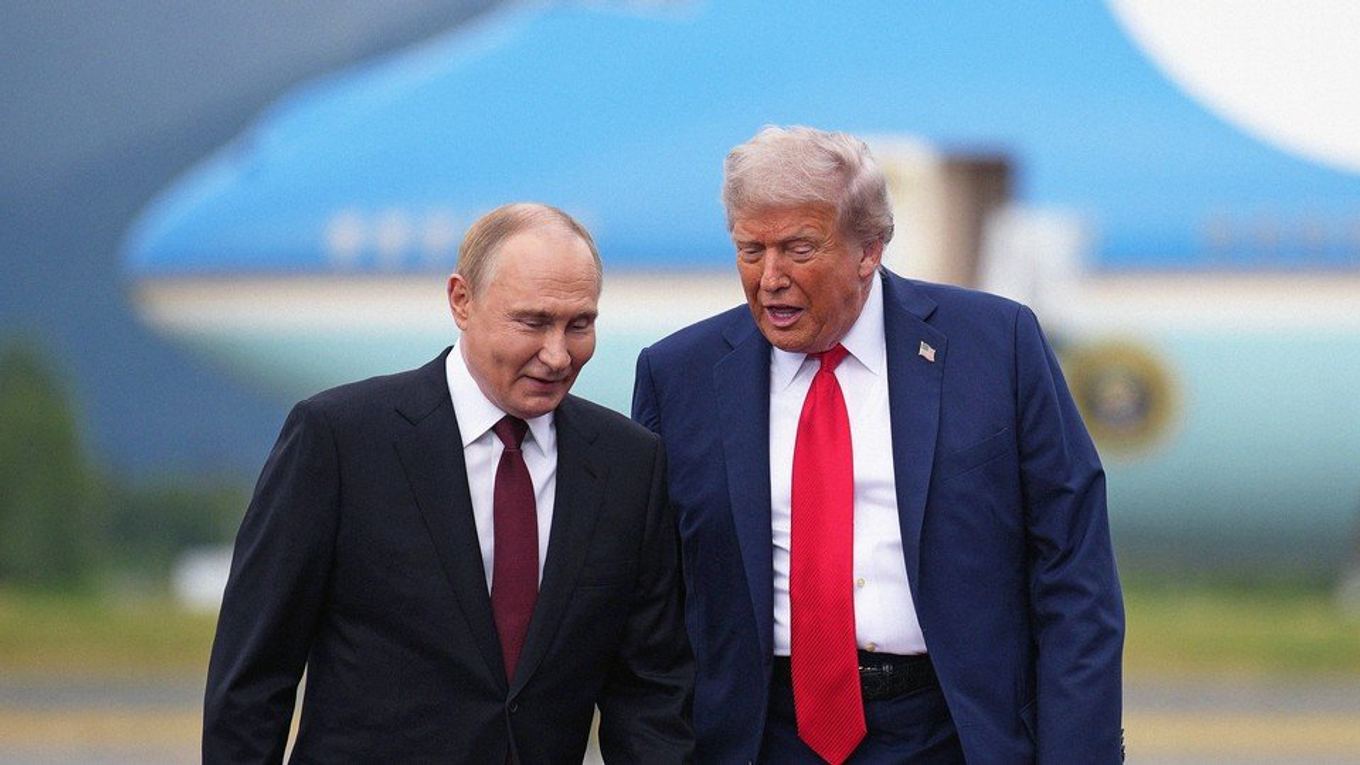
Dropping the carrot matters because it was the most distinctive part of the Trump approach: the bet that shared profits could do what sanctions and battlefield pressure had not. Traders have taken the hint. Polymarket traders put the chance of a Russia-Ukraine ceasefire agreement by 31 March 2027 at 25.5% (as of 25 November), down 9 points in a week.
A carrot Moscow never wanted to eat
The economic track was not entirely one-sided. Russia pitched ventures of its own, including a joint oil-drilling venture off Sakhalin Island in the Far East, and offered to supply diesel to the US before the November midterms. Trump announced a diesel arrangement with Putin on 9 October, and the administration temporarily lifted US sanctions on Russian fuel. Fiona Hill, a former White House adviser on Russia, put it bluntly to New York Magazine: "He's trying to seduce Jared and others with business deals."
What Moscow wanted from those deals was sanctions relief, not a different end to the war. Traders see little chance of that fuel channel reopening soon: they put the chance of the US importing Russian diesel by 31 January at 10.5%, down 4 points in a week.
Europe has also closed the door from its side. Dan Jørgensen, the EU energy commissioner, said on 24 November that the bloc would not return to Russian energy whatever the US-Russia talks produce. "We will never again, if it's up to me, import as much as one molecule from Russia," he said, adding that the EU had legislated a ban, "which is stronger than sanctions because sanctions have to be renewed every six months."
A war spreading beyond the front line
The diplomatic retreat coincides with a war that is widening geographically. Ukrainian naval drones hit two Russian vessels at and off the Benghazi naval base in eastern Libya on 22 November, a warship and a cargo ship. Late on 24 November Saddam Haftar, son of the eastern Libyan commander Khalifa Haftar, whose camp has long had close ties to Moscow, said two Libyan soldiers had died of their injuries. Ukraine's foreign minister, Andrii Sybiha, called the strikes lawful self-defence. Italy's foreign minister, Antonio Tajani, complained: "They did everything without informing us."
A day earlier a drone had hit the Russian cargo ship Sparta II in the Gulf of Finland, injuring a crew member; Volodymyr Zelensky confirmed Ukraine was responsible. Ukrainian drones have also cut Russian refineries' combined crude processing by an estimated 45% since late October, according to industry estimates, prompting fuel-sales restrictions in several Russian regions.
On 24 November Vladimir Putin accused Kyiv of defying Trump's request to stop hitting refineries. "The Kyiv regime continues to attack our refining facilities, despite the US president's appeal," he said. "Retaliatory measures on our part are inevitable." Traders give only 10.5% to an energy ceasefire agreement by 31 December, down 3 points in a week.
Traders now look to late spring
Reading the dates together shows how far expectations have slid. A ceasefire agreement by the end of April now stands at 32.5%, down 10 points in a week. By the end of May it is 54.5%, and by the end of June 58.5%, both broadly unchanged. The point where a deal becomes more likely than not now sits in May 2027.
| Deadline | Probability | Change over week |
|---|---|---|
| 31 March 2027 | 25.5% | -9 pts |
| 30 April 2027 | 32.5% | -10 pts |
| 31 May 2027 | 54.5% | -1 pt |
| 30 June 2027 | 58.5% | +2 pts |
The near term is all but written off. A ceasefire by 31 December stands at 4.7%, and a conversation between Zelensky and Putin by the same date at 4.5%. A further gap separates paper from practice. Traders give 68.5% to an agreement by the end of 2027, but only 45.5% to a ceasefire actually taking hold by then, and 20.5% by the end of March. The market expects that any deal signed may not, at first, stop the shooting.
Why the market could be too gloomy
The strongest counter-argument is that dropping the business sweeteners clears away a distraction. A negotiation focused on territory, security guarantees and sanctions is closer to the real dispute, and Russia's refinery losses and fuel restrictions raise the cost of fighting on. If Witkoff and Kushner return with a written framework, the spring dates could rebound quickly. But nothing in Putin's words on 24 November, or in Ukraine's widening strikes, suggests either side is preparing to stop.
What it means for markets, business and politics
Markets A ceasefire pushed into mid-2027 keeps a war premium in European gas and diesel through the winter, and Ukrainian strikes on Russian refining keep product markets tighter than crude.
Business Companies that had pencilled in a post-war return to Russian energy, aviation or metals ventures face a longer wait, and in Europe a legal ban that would outlast any peace deal.
Geopolitics Strikes in Libya and the Baltic draw Italy, Finland and the eastern Mediterranean into the conflict's orbit, raising the political cost for European governments that fund Kyiv.
Politics and policy With the economic lure gone, Washington's remaining levers are sanctions on Moscow and pressure on Kyiv, so the next US move on either will show which way the talks are tilting.
What to watch
Watch for the form of Russia's promised retaliation, likely aimed at Ukraine's energy system, and for any new Witkoff-Kushner visit to Moscow. A rise in the end-March agreement odds back above 30% would signal that traders see the talks reviving.
The deals are off the table. Traders expect the war to stay on it well into 2027.