UAE Quits OPEC, Splitting the Cartel at Its Weakest Moment
The UAE will leave OPEC on May 1, fracturing the oil cartel as Hormuz tensions threaten global crude flows and US-Iran diplomacy hangs in the balance.
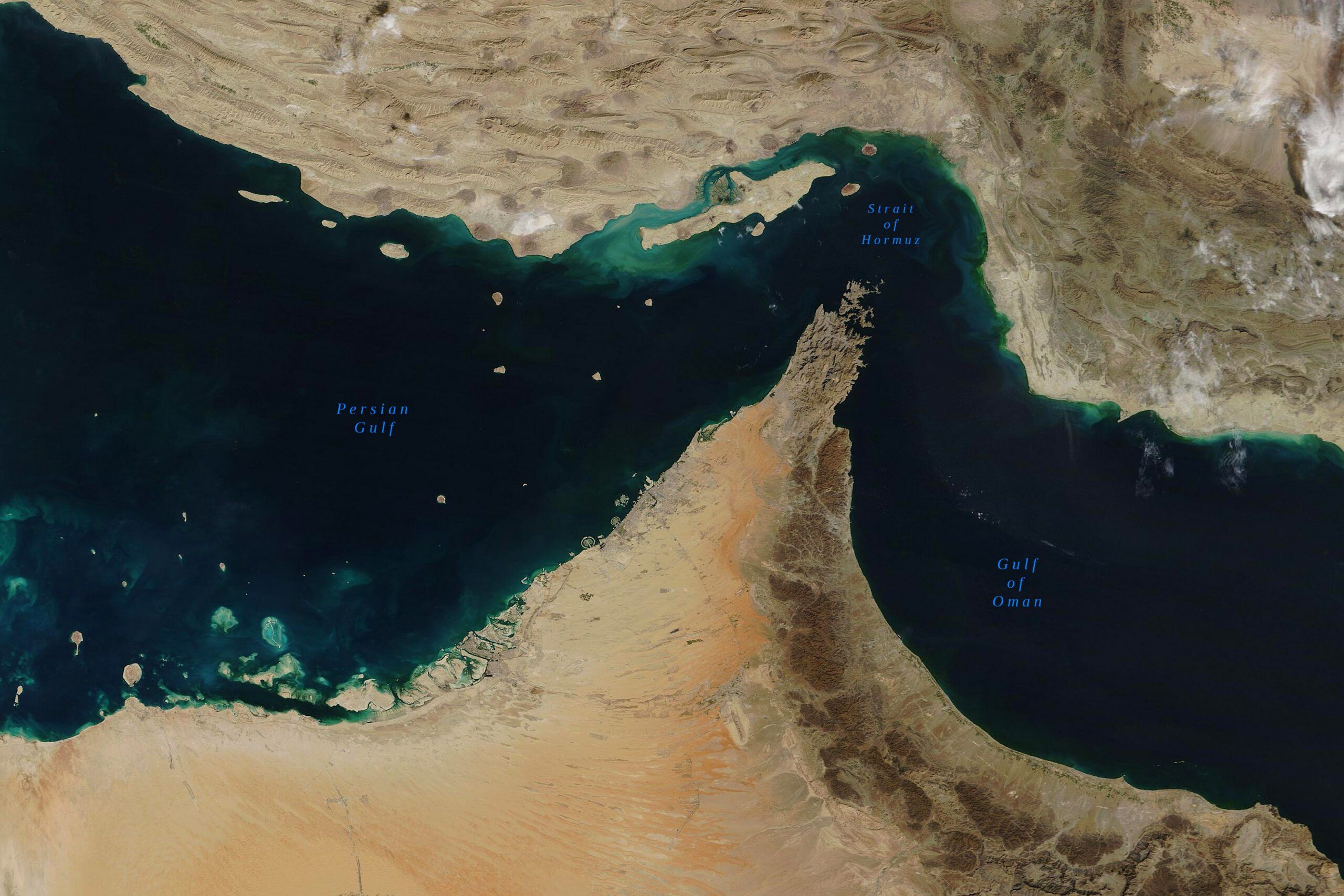
The United Arab Emirates announced on Tuesday it will exit OPEC effective May 1, dealing the most significant blow to the cartel's unity in years. The departure strips the producers' group of its most pro-Western Gulf member at the worst possible moment: the Strait of Hormuz remains partially disrupted, oil supply chains are under pressure, and Washington is attempting to broker a lasting peace deal with Tehran.
Abu Dhabi's energy chief said the UAE remains committed to oil price stability, but the timing tells a different story. The exit lands while Hormuz normalisation remains far from certain. Prediction markets price just an 18% chance of normal strait traffic by May 15 on Polymarket, rising to 40% by end of May and 60% by end of June, as of 28 April. The curve suggests traders expect disruption to persist well into summer. Meanwhile, the probability of a permanent US-Iran peace deal by May 31 sits at 30% with $1.37 million in 24-hour trading volume: significant money, but hardly conviction.
The UAE was OPEC's most reliable bridge between Riyadh and Washington. Without it, Saudi Arabia faces a smaller, more hawkish cartel at precisely the moment the Gulf needs coordinated diplomacy, not production feuds. For US-Iran negotiations, the loss of Abu Dhabi's moderating influence inside OPEC could complicate any deal that requires Gulf buy-in on sanctions relief or production adjustments. WTI crude has so far avoided a spike: markets price only an 11% chance of oil hitting $110 this month.
Watch whether Saudi Arabia moves to consolidate OPEC's remaining members or pivots toward bilateral deals. The cartel's next meeting will be its most consequential in a decade.
New to Polymarket?
Sign up via our link and get 6 months of Future Times Pro free — worth £30. Learn more