Russia would not even discuss an energy truce in Abu Dhabi. Ukraine is heading into winter on rolling blackouts.
Future Times4 min read
In 30 seconds
The talks yielded a prisoner swap, a flat Russian "no" on swapping land and no pause in the strikes on Ukraine's grid. Traders cut the chance of an energy ceasefire this year by a fifth in a day, but still see a broader truce by mid-2027 as a coin flip.
- Russia's negotiators said they had no mandate to discuss halting strikes on energy, sea targets or critical infrastructure
- Traders now give an energy ceasefire by 31 December 31%, down from 45% a week ago
- A full ceasefire this year is near 6%, but one by mid-2027 is still close to even
What it means
- MarketsWith an energy truce pushed back, Ukraine's winter power deficit becomes a financing question for its European backers…
- BusinessGrid-equipment suppliers, contractors, insurers and lenders in Ukraine face a longer stretch of repairs under fire and…
- Politics and policyEurope's seat is now a US demand, not only a Ukrainian one.
- GeopoliticsRussia has shown it will trade prisoners but not pauses.
What to watch
Thursday's Witkoff-Kushner meeting with Putin and their Dublin briefing for Zelenskyy; the prisoner exchange figures; whether Moscow accepts Europeans in the…
The odds
Polymarket · live, 08:24 GMTRussia and Ukraine agree an energy ceasefire this year
down 23 points over 7dfrom 45% a week ago31% when this was published
Signals to watch
- A rise in the 31 December energy ceasefire figure back above 40% would signal that Putin gave the envoys something his negotiators could not.
Now · 22%
Think the market's wrong? Add your forecast and see who's closer.
- Russia x Ukraine energy ceasefire agreement by November 306%down 25 points
- Russia x Ukraine Ceasefire by December 317%down 3 points
- Russia x Ukraine ceasefire agreement by June 30, 202753%unchanged
While negotiators sat in Abu Dhabi on Tuesday night, Russian forces hit six major electrical substations in four central Ukrainian regions, Prime Minister Serhii Koretskyi said. By Wednesday morning Ukrenergo, the grid operator, had consumers without power in eight regions, from Kyiv and Odesa to Kharkiv. When Ukraine put a halt to strikes on energy on the table, the Russian delegation said it could not discuss it. "The Russian side says it has no mandate to answer these questions," Volodymyr Zelenskyy said.
That is what changed. When the talks opened, both sides were hinting at give on land. By the time the two-day round closed on Wednesday, Russia's chief negotiator, Vladimir Medinsky, had called territorial exchanges as part of a settlement "out of question", according to Russian state media, and the one concrete result was a prisoner exchange. Traders have marked the energy truce down sharply, yet still see a broader ceasefire in the first half of 2027: the talks cost the near term far more than the long term.
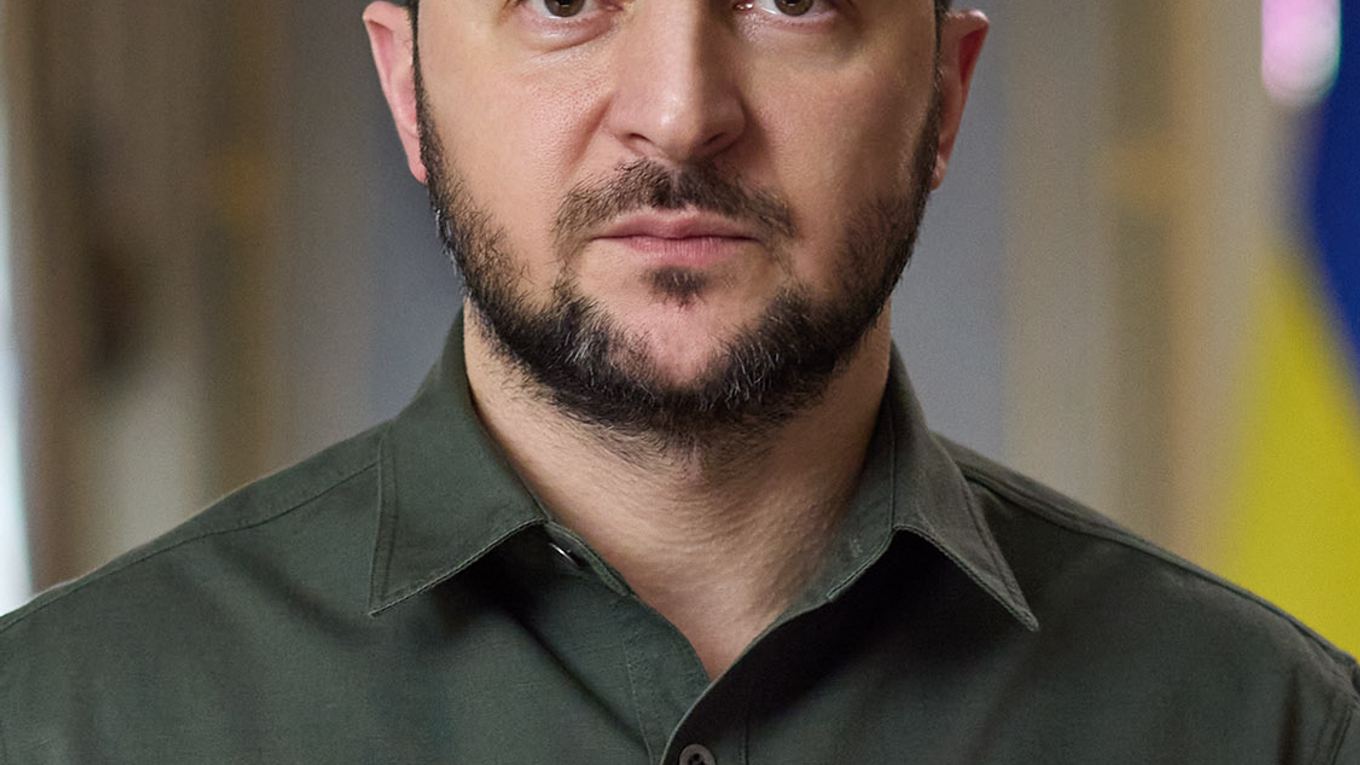
A prisoner swap and a closed door
The round was the first direct Kyiv-Moscow negotiation in nine months, with the US envoys Steve Witkoff and Jared Kushner mediating. Zelenskyy said the two sides discussed exchanging 1,000 prisoners each, possibly rising to 1,500. Kushner called it "the biggest humanitarian release of prisoners" and said the numbers would be settled on Thursday. He was blunter about the leaders, saying there was no "great trust or love" between them and that arranging a Putin-Zelenskyy meeting was like "pushing a boulder uphill".
Ukraine had pushed for a wider halt covering energy facilities, critical infrastructure and targets at sea. Moscow wants broader security arrangements settled before any ceasefire; Zelenskyy wants the war stopped first. "This is a country of our nation, it is not real estate," he said he told the US envoys. He also said Washington keeps raising Donbas: "They think that to end this war, we have to leave our territory."
The diplomacy now moves to Russia. Witkoff and Kushner landed at Moscow's Vnukovo airport on Thursday morning to see Vladimir Putin, and are due in Dublin afterwards to brief Zelenskyy. A senior US official said Washington wants European partners at the table on the continent's security, and Kushner was expected to ask Putin to accept a multilateral format. Separately, Russia's Foreign Ministry said on Wednesday that its ambassador to the US, Alexander Darchiev, 66, had "passed away suddenly". It gave no cause.
A grid running on schedules
The pressure on Ukraine is physical. Early this month Russia launched 289 attack drones and 76 missiles in a single night, one of the largest attacks on the energy system, according to Ukrenergo, and knocked out power to Kyiv's water utility. For Thursday, Ukrenergo has scheduled one to three rounds of household cuts of about four hours each, up to 12 hours without power, with some regions on schedules around the clock. Industry faces power limits.
Traders mark down the truce, not the endgame
As of 12 November, traders put the chance of a Russia-Ukraine energy ceasefire agreement by 31 December at 31%, down 7.5 points in a day and from 45% a week ago. By 30 November it is 16%, down from 31% over the week. An energy halt was the likeliest early deliverable; Medinsky's missing mandate took much of it away.
The broader ceasefire is barely priced for this year: 5.7% by 31 December, down from 9.5% a week ago, on about $1.8mn of trading. A signed peace deal this year is 6.5%. Further out, the picture changes. A ceasefire agreement by 31 March 2027 is 36%, and by 30 June 2027 it is 53%, down three points in a day but still the point where the odds cross even. A signed peace deal by the end of 2027 is 39%, up eight points in a week.
Read together, the numbers make a timeline: little before Christmas, a ceasefire by mid-2027, and a final settlement later still, the order Zelenskyy wants. The chance that Donald Trump speaks to Zelenskyy by 30 November has also fallen 12.5 points in a day, to 57%, consistent with Washington working through its envoys rather than leader-to-leader calls.
How the market could be wrong
The case for a faster deal is real. Arakhamia, Ukraine's negotiator, said there is "good momentum to bring the solution before the new year comes", and Medinsky, asked whether peace was closer, answered: "I think so yes." If Putin gives Witkoff and Kushner the mandate his delegation lacked, an energy truce could be agreed quickly, and a 16% chance by 30 November would look cheap. The case against is that nothing in Abu Dhabi changed Russia's demand for all of Donbas.
What it means for markets, business and politics
Markets With an energy truce pushed back, Ukraine's winter power deficit becomes a financing question for its European backers, adding to the bill for emergency power imports and repairs that European governments are being asked to cover this winter.
Business Grid-equipment suppliers, contractors, insurers and lenders in Ukraine face a longer stretch of repairs under fire and war-risk pricing; reconstruction timetables built on a 2026 pause slip into 2027.
Politics and policy Europe's seat is now a US demand, not only a Ukrainian one. Choosing a representative, which Zelenskyy wants done before the end of November, puts the EU's own divisions over Ukraine funding on the clock.
Geopolitics Russia has shown it will trade prisoners but not pauses. Any energy truce now has to come from Putin, which raises the stakes of Thursday's Moscow meeting and of any Trump-Putin encounter in China.
What to watch
Thursday's Witkoff-Kushner meeting with Putin and their Dublin briefing for Zelenskyy; the prisoner exchange figures; whether Moscow accepts Europeans in the room; and Ukrenergo's daily schedules as temperatures fall. A rise in the 31 December energy ceasefire figure back above 40% would signal that Putin gave the envoys something his negotiators could not.
Abu Dhabi delivered a prisoner swap. Ukraine's power cuts will last until Moscow decides otherwise.