Iran says it hit a US radar in Bahrain. A truce slips further away, and Hormuz stays shut
Future Times4 min read
In 30 seconds
The Revolutionary Guards' first claimed hit on a US asset in the Gulf since September has cut hopes of a quick pause in American strikes. The year-end picture has barely moved, and neither has the strait.
- The IRGC tied the strike to a hit on a telecoms tower in Sirik but has not formally blamed the US for it
- A senior US-Iran meeting before 2027 now looks unlikely: about one chance in three, down 13 points in a week
- Oil is not pricing a new war: WTI near $89 is down 16% this month despite the escalation
What it means
- OilCrude is trading the blockade, not the radar.
- Shipping and insuranceWith normal Hormuz traffic this year priced at one chance in 20, war-risk cover and rerouting costs stay embedded in…
- Gulf statesBahrain's exposure shows the cost of hosting US forces while asking Washington for restraint.
- DiplomacyWith a senior meeting now an outside chance this year, any pause is likely to come by default, not by deal.
What to watch
A US or Bahraini statement on the radar claim; any further strike on Iranian soil credibly attributed to the US, which would push the pause back again; a US…
The odds
Polymarket · live, 07:19 GMTTwo-week pause in US strikes on Iran begins by 22 Nov
up 5 points over 7dfrom 51% a week ago51% when this was published
What would move these odds
- Another strike on Iranian soil that is credibly attributed to the US would push a two-week pause past 22 November
- A US reply to Iran's seven-point proposal sent via Qatar would revive the near-term odds
- A second IRGC strike on a US base in the Gulf would invite the American response that delays any pause
Now · 56%
Think the market's wrong? Add your forecast and see who's closer.
- US x Iran Effective Ceasefire begins by...? (2 week pause): November 1543%up 2 points
- US x Iran Effective Ceasefire begins by...? (2 week pause): November 3068%up 4 points
- US x Iran Effective Ceasefire begins by...? (2 week pause): December 3182%down 1 point
Iran's Revolutionary Guards said on Friday that their aerospace force had "targeted and destroyed the American aggressors' early-warning radar on the island of Bahrain", in response to what they called the enemy's aerial aggression against a telecommunications tower in Sirik, a port town on Iran's side of the Strait of Hormuz. It is the first time since early September that Iran has claimed an attack on US military assets in a Gulf state.
The Guards called the strike a "serious warning" to Washington "to put an end to its aerial provocations and oil smuggling in the Strait of Hormuz", and said their forces were ready to respond "without geographical limits" if such acts recurred. Neither Washington nor Manama commented immediately. US Central Command did not address the claim.
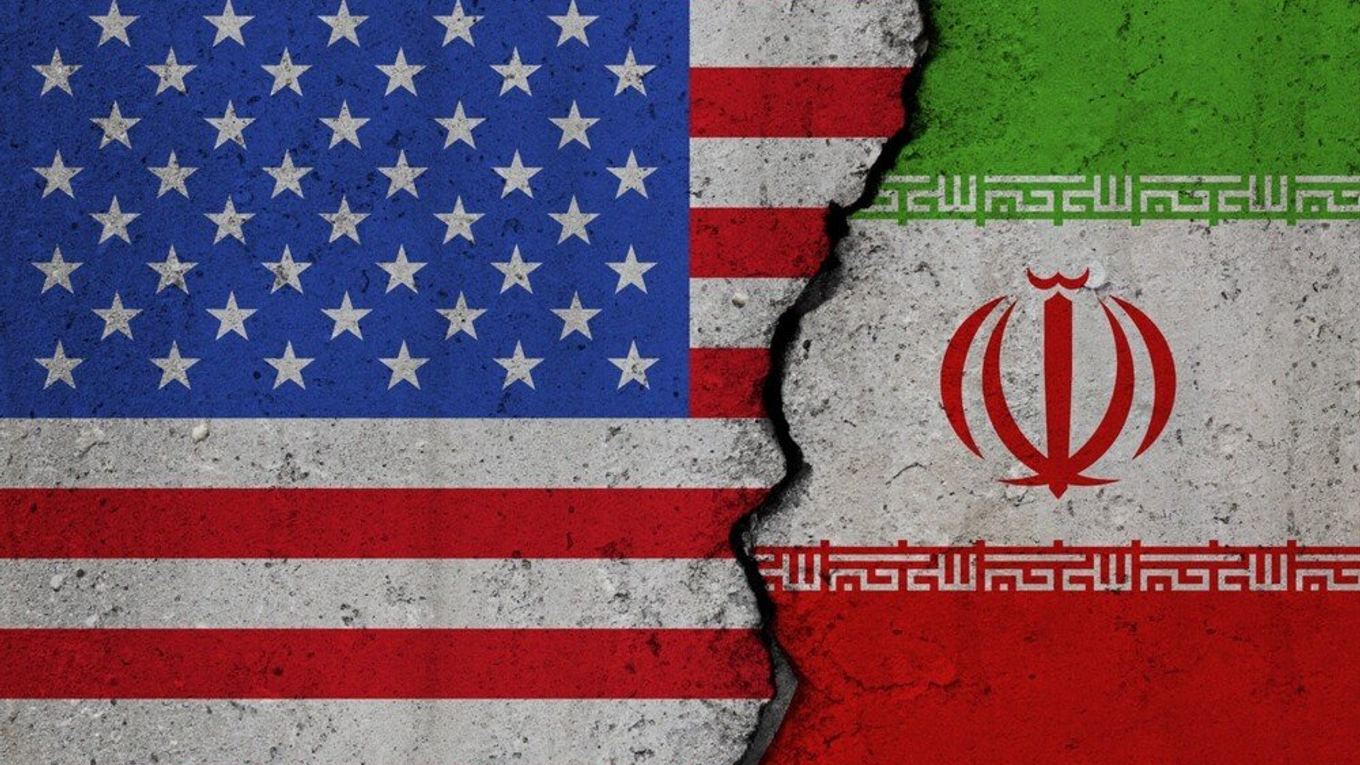
Traders took the escalation as a delay, not a collapse. The chance that US air and missile strikes on Iranian soil stop for at least two weeks, with that quiet spell beginning by 22 November, fell 13 points in a day to 50.5% (as of 13 November). The same pause by 31 December still stands at 81%, where it was a week ago. And whatever happens to the shooting, traders see almost no prospect of shipping through the strait returning to normal this year.
Who hit Sirik is still unclear
Iran's state news agency IRNA reported only that the town was struck by "enemy fire" on Thursday, without naming an attacker or giving damage or casualty figures. The Guards framed their response as aimed at the "aggressor enemy" but stopped short of directly blaming the United States. Sirik hosts part of Iran's radar network watching the waterway, and has been hit repeatedly since the war began on 28 February.
There is no independent evidence that the radar was damaged. Bahrain hosts the headquarters of the US Navy's Fifth Fleet, and it was among the Gulf states that, according to Donald Trump, asked him to hold off broader attacks on Iran.
The talks that were supposed to fill the gap
On Thursday Trump wrote on Truth Social: "We don't need a deal with Iran. Those days have long since passed." He has moved JD Vance, who led earlier talks, onto domestic issues. CENTCOM says it is still "strictly enforcing the ironclad naval blockade against Iran".
Tehran says the next move is Washington's. Its parliament speaker and chief negotiator, Mohammad Bagher Ghalibaf, says a seven-point proposal has gone to the US through Qatari mediators covering the blockade, sanctions, frozen funds and an end to fighting on all fronts. "The ball is now in the American court," he said on Wednesday. Washington has refused those terms without a nuclear agreement first.
Meanwhile the military language has hardened. Days earlier a Guards spokesman said Iran's self-imposed 2,000km cap on missile range "has been lifted for us", and the UN nuclear watchdog says it is increasingly concerned about an uninspected enrichment site at Isfahan.
Later, not never
The pattern across the dates is the story. The chance of a two-week pause beginning by 15 November fell 16 points in a day to 36.5%; by 22 November, to 50.5%; by 30 November, 4.5 points to 62%. By 31 December it slipped only 2.5 points to 81%. Traders are pricing more strikes in the next fortnight, but nothing that changes the year-end trajectory.
Diplomacy has taken a bigger hit than the shooting. The chance of the next senior US-Iran diplomatic meeting happening by 31 December has dropped to 31.5%, down 13 points in a week; by 30 November it is 9.5%. A US invasion before 2027 is priced at 8.5%, and a full closure of Iranian airspace by 30 November at 14.5%, up seven points in a day.
The gap carries the argument. Traders see even odds of a quiet fortnight beginning by 22 November, and a strong chance by the year end, without any meeting to bring it about. Chatham House's Aniseh Bassiri Tabrizi calls the situation "no war, no peace". The markets describe a lull that the blockade sustains, not a settlement.
The strait sits apart from all of it. The chance that ship traffic through Hormuz returns to normal by 31 December is 5.5%, down from 9.5% a week ago. Ghalibaf has said the strait will "never return" to its pre-war state, maritime agencies still advise against transit, and Iran's army said two tankers caught fire after hitting mines in the eastern strait.
Why the hopeful case is not dead
The best argument against the market is that Friday's exchange was calibrated. The Guards say they targeted a radar rather than personnel, and named a specific trigger; there has been no public US response. If Washington lets it pass and answers the Qatari proposal, the November dates could recover as fast as they fell.
What it means for markets, business and geopolitics
Oil Crude is trading the blockade, not the radar. WTI was at $88.59 on Friday morning, down about 16% since the start of November, and traders still give it a 41.5% chance of touching $95 in November.
Shipping and insurance With normal Hormuz traffic this year priced at one chance in 20, war-risk cover and rerouting costs stay embedded in Gulf freight into 2027, whatever happens to a truce.
Gulf states Bahrain's exposure shows the cost of hosting US forces while asking Washington for restraint. A further strike on a Gulf base would test that balance more than any diplomatic message.
Diplomacy With a senior meeting now an outside chance this year, any pause is likely to come by default, not by deal. That leaves the nuclear file, including Isfahan, unresolved.
What to watch
A US or Bahraini statement on the radar claim; any further strike on Iranian soil credibly attributed to the US, which would push the pause back again; a US reply to the Qatari proposal; and IMF PortWatch transit counts for the strait. The truce is being postponed. The strait was never part of it.