Iran says three oil tankers, one a supertanker, hit mines in Hormuz for taking unauthorised routes
Future Times2 min read
In 30 seconds
Tehran says the ships had their transponders off. Nobody has verified the strikes, but the mine threat leaves normal shipping this year a remote prospect and makes a quick US-Iran pause harder to believe.
- Iran said on Saturday that three tankers hit mines; nobody has verified the strikes or named the ships
- Traffic through Hormuz is still about 65% below pre-war levels, according to UKMTO
- Traders see little chance of normal Hormuz shipping this year but still back a US-Iran pause by 22 November
The odds
Polymarket · live, 08:08 GMTHormuz shipping back to normal by 31 December
down 4 points over 7dfrom 9% a week ago6% when this was published
What would move these odds
- Shipowners or UKMTO confirming a mine strike would push expectations of normal traffic lower still
- A CENTCOM denial with evidence that the routes are clear would ease the shipping fears
- New direct US-Iran talks before 22 November would support the pause
Now · 5%
Think the market's wrong? Add your forecast and see who's closer.
- US x Iran Effective Ceasefire begins by...? (2 week pause): November 2256%up 5 points
- US x Iran Effective Ceasefire begins by...? (2 week pause): November 3068%up 4 points
- What will WTI Crude Oil (WTI) hit in November 2026: ↑ $10019%down 27 points
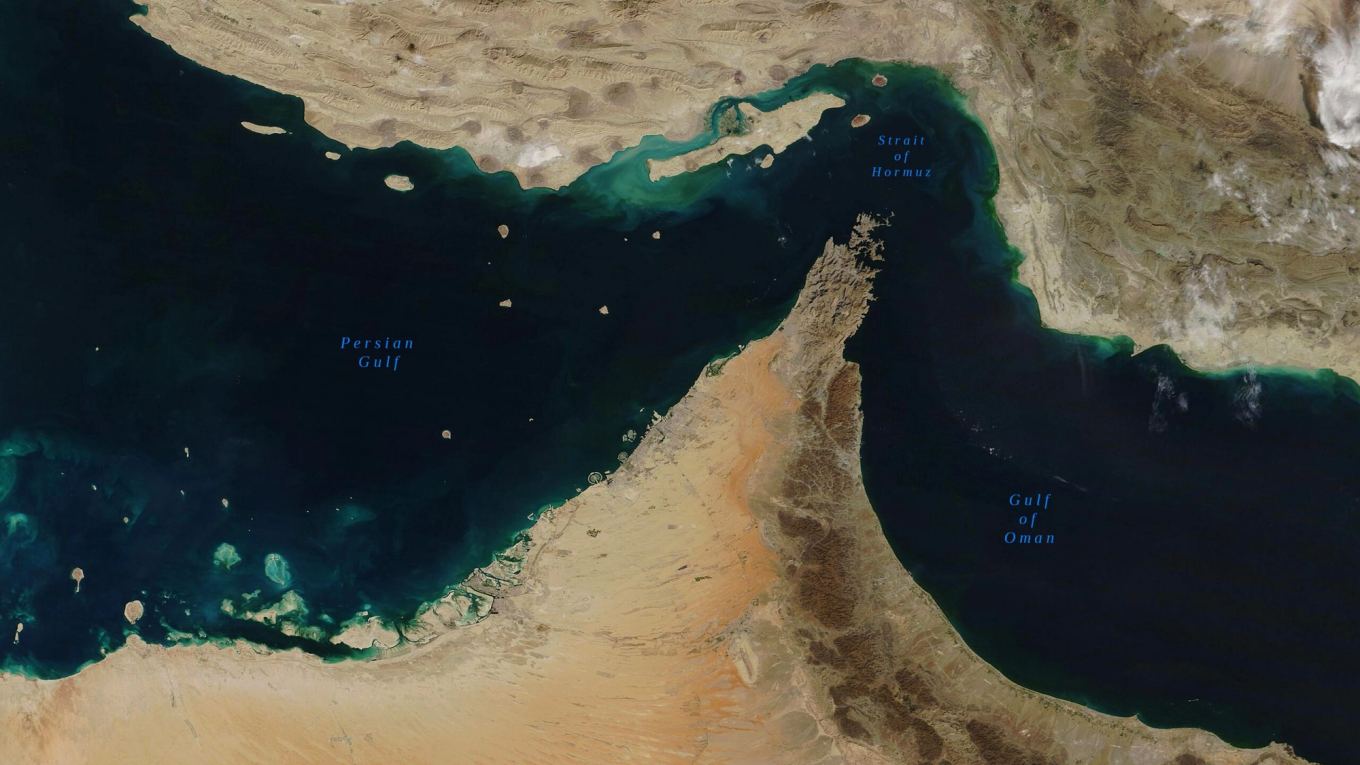
Iran's Revolutionary Guards and its regular navy say three oil tankers caught fire after hitting naval mines in and near the Strait of Hormuz, in statements on Saturday. The Guards say one was a supertanker. Neither force named the ships, and nobody has independently verified the strikes. Iran has made similar claims several times since October.
The Guards said two tankers that "had switched off their radar and positioning systems" exploded on what Tehran calls an unauthorised route in the south of the waterway. The navy said a third stopped after hitting a mine in a "prohibited zone" east of the strait. "Fire and explosions are the fate of tankers" in such cases, the navy warned. Since the war began in February, Tehran has required ships to get its permission to cross. The US says it has cleared the main routes of mines and has called an earlier Iranian claim a lie; it had not responded by Saturday evening.
The claims come as shipping was slowly recovering. UKMTO, the British navy's maritime security centre, said traffic in the week to 11 November was about 65% below pre-war levels, against roughly 90% below in September. It recorded at least seven tanker attacks in that week.
As of 14 November, traders put the chance of Hormuz traffic returning to normal by 31 December at 5.5%, down 4 points in a week.
Diplomacy is a different story. Traders give 54.5% to an effective US-Iran ceasefire, a pause of at least two weeks, beginning by 22 November, up 7 points in a day, and 65.5% to one by 30 November. That optimism rests on reports that President Donald Trump may hold off on new strikes if Iran and the Houthis stage no new provocations. Iran's mine warnings make that condition harder to meet. Traders now give only 22.5% to WTI crude hitting $100 a barrel in November, down from 49% a week ago.
Why it matters
- Shipping and insurance: Missiles and drones are aimed at particular ships. Mines threaten any vessel on a route Iran rejects, including routes the US says it has cleared. That makes it harder for shipowners and insurers to trust the routes the US says are safe.
- Oil: Brent traded at $95.89 a barrel on Friday afternoon, against roughly $72 before the war. Traders no longer expect a spike, but supply is far from normal.
- Diplomacy: Iran says it will not negotiate on its nuclear material until a formal ceasefire is in place. Each strike claim makes the quiet Trump wants harder to find.
Trump is due to discuss Iran with Xi Jinping and Vladimir Putin in Shenzhen on Thursday.