Iran is striking Bahrain and lining up tankers to run the US blockade. Oil is barely flinching
Future Times5 min read
In 30 seconds
A fourth attack on Bahrain in a week, two tankers hit in Hormuz and a convoy massing at Kharg Island have punctured hopes of a quick pause. Yet the money still bets on a long siege, not a regional war.
- A two-week lull in US strikes now looks no better than a coin toss this month, and far shakier by year end
- The blockade is still expected to outlast Christmas, with an end by March only about even
- Crude fell for a third straight week; a run on the blockade is the clearest trigger to reverse that
What it means
- MarketsOil's November slide rests on the blockade staying a naval stalemate.
- Stocks and sectorsTanker owners such as Frontline gain from risky routes and high insurance costs that look set to persist into 2027.
- BusinessGulf refineries and industrial sites, not only military bases, are now Iranian targets.
- GeopoliticsWashington is betting that economic pain brings Tehran to the table before military escalation does.
What to watch
- 30 NovA WTI close below $80 before 30 November
- 1 JanMr Trump's promised decisions after 1 January
The odds
Polymarket · live, 11:55 GMTUS-Iran pause in strikes begins by 30 November
up 33 points over 7dfrom 53% a week ago47% when this was published
What would move these odds
- A US strike on Iranian soil after an attack on Bahrain or a tanker would reset the clock and push the odds down
- US forces boarding or disabling a Kharg tanker would raise the risk of Iranian retaliation and a US response
- Visible progress in the Qatari mediation, or US restraint through the Thanksgiving week, would lift them
Now · 86%
Think the market's wrong? Add your forecast and see who's closer.
- US x Iran Effective Ceasefire begins by...? (2 week pause): December 3195%up 21 points
- US announces end of Iranian blockade by March 3148%up 2 points
- US announces end of Iranian blockade by December 3113%down 1 point
Smoke rose over Sitra island in Bahrain on Saturday, home to the state oil company's refinery, after what the kingdom's interior ministry called "heinous Iranian aggression" against "a civilian industrial facility". It was the fourth attempted Iranian attack on Bahrain in about a week. The same day two tankers were hit in the Strait of Hormuz, while more than a dozen loaded Iranian tankers sat off Kharg Island, apparently waiting to test the US blockade.
Hopes of a quiet spell while Qatar mediates are fading fast. What has not changed is the expectation underneath: a siege that runs into 2027 without becoming a wider war.
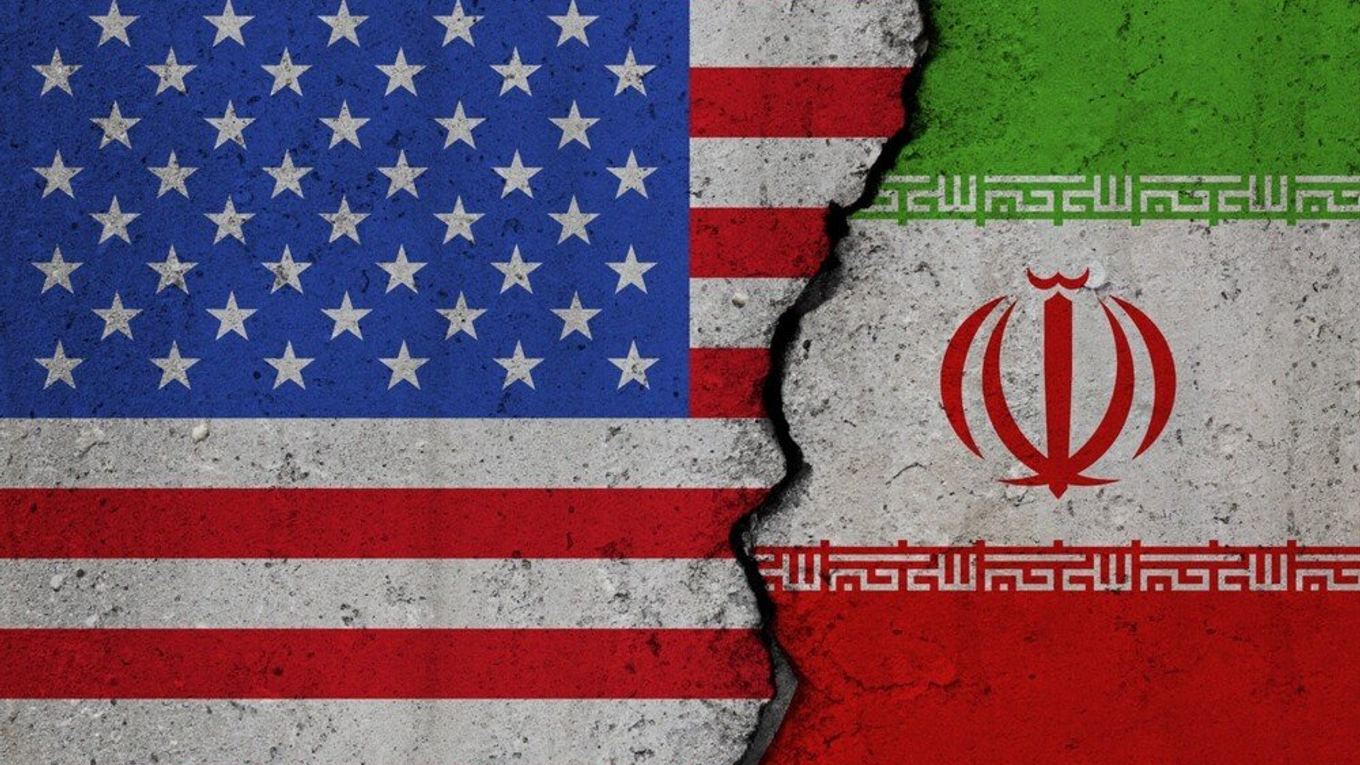
Four attacks in a week, and a convoy in waiting
Bahrain, home to the US Navy's Fifth Fleet, said its air defences intercepted several attacks and that the industrial fire caused damage but no injuries. Iran's Revolutionary Guards claimed missile and drone strikes on US positions at the Riffa and Awali bases, including two Patriot radars. A US official said American forces were unaffected.
At sea, the UK Maritime Trade Operations agency said one outbound tanker was struck on the stern by "an unknown projectile" and another was hit in its engine room. Iran said a ship had caught fire after straying into a "restricted zone" and hitting a mine, and that it had shot down a US drone over Qeshm Island.
The bigger threat is at Kharg, Iran's main export terminal, where more than 14 Iranian tankers are gathered, most with tracking switched off. Tehran has announced no convoy, but foreign minister Abbas Araghchi said on Friday that "the blockade must be broken". His deputy, Kazem Gharibabadi, called it "an act of war". The Guards-affiliated Fars news agency has threatened strikes on Gulf energy facilities, "especially UAE oil", if the ships are attacked. US Central Command widened the blockade on 18 November to cover ship-to-ship transfers: such vessels "may be stopped, boarded, diverted, captured", it said.
Washington says the squeeze is working
Treasury Secretary Scott Bessent confirmed he is still living on a military base because of threats he attributes to Iran. "If the Iranians are after me, it means that they are being squeezed. We're going to continue squeezing them," he told CNBC on Friday.
Mr Trump is in no hurry. "We've got time," he said on 20 November, pushing big decisions past 1 January. A day later he told Fox News he wanted to "make a deal that is going to be permanent". The New York Times has reported that he is also weighing a new round of extensive strikes, with Benjamin Netanyahu pressing for a campaign of four to seven days.
The pause is slipping away
The sharpest shift is on whether the US can hold its fire. Traders give 47% (as of 22 November) to a two-week stretch without US air or missile strikes on Iranian soil beginning by 30 November, down from about 70% on 15 November and 8.5 points lower in a single day. By year end the chance is 68%, but that figure fell 16.5 points in a day: traders now fear at least one more round of US retaliation before any lull can begin.
Nobody expects the blockade to lift soon. The chance that Washington announces its end by 31 December is just 14%; by 31 March it is 47%, down 7 points in a week.
The front that would turn this into a regional war is quiet. Traders put the chance that the Israel-Iran ceasefire holds through 15 December at 75%, up 7 points in a day, and through 31 December at 65%. Escalation is still read as a US-Iran affair at sea and on Gulf bases, not a return to open Israeli air war.
Oil agrees. Brent settled at $92.57 a barrel on 20 November, the day before the Bahrain attack, rising on a tanker fire yet still posting its third straight weekly fall and roughly 20% down for the month, as naval escorts move more ships and Gulf producers restore exports. December WTI settled at $83.98. Traders give 54% to WTI falling to $80 before November ends, up 20 points in a week, yet only a 2.9% chance of Hormuz traffic returning to normal by year end, with shipping about 65% below pre-war levels. Crude is pricing a longer squeeze, not a bigger war.
Why the calm could crack
The strongest case against the market is the convoy. If Iran sails a dozen loaded tankers at once, Central Command must either let some pass, undermining its own blockade, or seize ships in numbers, which Iran has promised to answer by hitting Gulf oil facilities. Iran also faces rolling power cuts from Sunday, and President Masoud Pezeshkian has told Iranians to "expect difficulties this winter": an economy under that strain may gamble rather than wait. Qatar's two hours of talks in Tehran on Friday are the counterweight, but Araghchi has called discussion of Hormuz "pointless" until Iran's demands, including an end to the blockade, are met.
What it means for markets, business and geopolitics
Markets Oil's November slide rests on the blockade staying a naval stalemate. A clash at Kharg would hit Brent first; continued Iranian pinpricks that draw no US strike would strengthen the case for sub-$80 WTI.
Stocks and sectors Tanker owners such as Frontline gain from risky routes and high insurance costs that look set to persist into 2027. Exxon Mobil and Chevron lose some of their war premium if crude keeps falling. Lockheed Martin benefits from the steady drain on Patriot interceptors.
XOMCVXFROLMTBusiness Gulf refineries and industrial sites, not only military bases, are now Iranian targets. That raises insurance and security costs for anyone operating in Bahrain and, if Fars's threats are carried out, the UAE.
Geopolitics Washington is betting that economic pain brings Tehran to the table before military escalation does. The collapse in near-term pause odds says traders think the next move is a US strike, not a deal.
What to watch
Whether the Kharg tankers sail, and whether Central Command boards any of them; any US strike on Iranian soil; Qatar's next round of mediation; Mr Trump's promised decisions after 1 January; and a WTI close below $80 before 30 November.
The blockade has become a test of who blinks first, and the market's answer is that neither side will before the new year.