Two Italians died in a drone strike on Kuwait. Iran denies it, and ceasefire hopes barely flinched
Future Times2 min read
In 30 seconds
Kuwait and Italy blame Iran for the deadly attack on an air-defence site. Traders still expect a US-Iran pause by the end of December, but not an end to the blockade.
- Two Italian technicians died at a Kuwaiti air-defence site on Thursday
- Iran denies involvement and offers a joint investigation
- A pause looks likely by year end; lifting the blockade does not
The odds
Polymarket · live, 11:59 GMTUS and Iran begin an effective ceasefire by 31 December
up 21 points over 7dfrom 74% a week ago86% when this was published
What would move these odds
- A finding that Iranian-made drones were launched from Iran, or a US or Italian military response, would cut the chance of a pause
- A joint Iran-Kuwait investigation accepted by both sides would help it
- Talks between Washington and Tehran resuming before 30 November would lift the near-term date
Now · 95%
Think the market's wrong? Add your forecast and see who's closer.
- US x Iran Effective Ceasefire begins by...? (2 week pause): November 3086%up 33 points
- Israel x Iran ceasefire continues through: November 3099%up 9 points
- US announces end of Iranian blockade by December 3113%down 1 point
Two Italian technicians were killed in an Iranian drone attack on a Kuwaiti military site on Thursday, Kuwait said, and Iran's foreign minister has called the incident "suspicious" and denied any role.
Kuwait's defence ministry described "the heinous Iranian aggression" against a "vital site" and said the two Italians died of their injuries. Italy's foreign minister, Antonio Tajani, said they were working at an air-defence system that was targeted by several Iranian-made drones. A Kuwaiti and a Pakistani worker were also wounded.
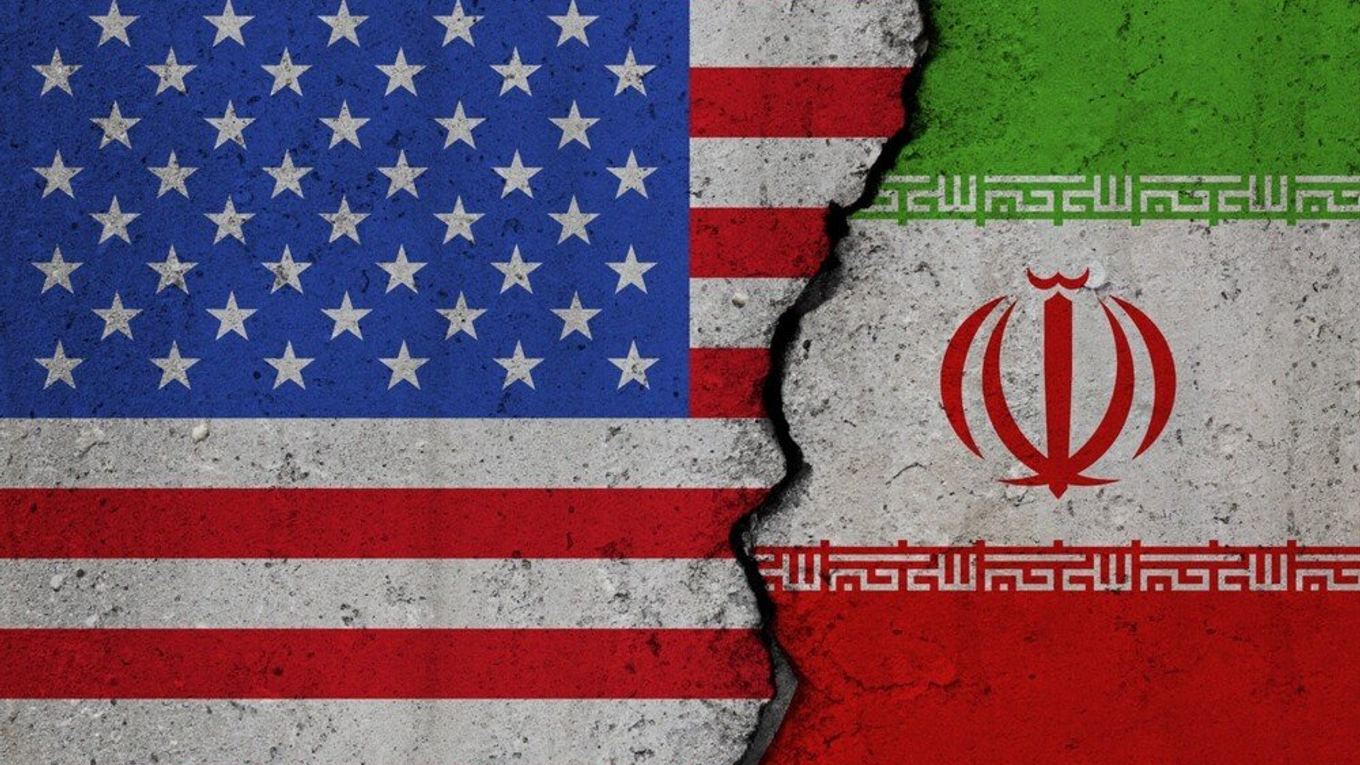
Abbas Araghchi told Tajani and his Kuwaiti counterpart that Iran had "no involvement whatsoever", offered a joint investigation, and said on X that the incident "looks like a precooked recipe for war". Iran's armed forces said they had carried out no operations in the region. EU Commission president Ursula von der Leyen called for more pressure on Tehran. No independent finding on where the drones came from has been published.
What markets now expect
Traders barely changed their minds. As of 27 November they put the chance of an effective US-Iran ceasefire, a two-week pause, beginning by 31 December at 86%, up 1 point on the day. The chance of one starting by 30 November is 73%, down 3 points on the day but still 22 points higher than a week ago.
The gap with the blockade is the story. Traders give only 14% to Washington announcing an end to the Iranian blockade by 31 December, and 51% by 31 March.
Why it matters
- Geopolitics: Markets read the strike as a test of a pause rather than a reason to abandon it. The chance that the Israel-Iran ceasefire holds through 30 November is 96%.
- Politics: Italy, a NATO member with personnel in the Gulf, now has citizens among the dead, and Brussels is calling for more pressure on Tehran. A firm attribution to Iran would raise the pressure on Washington to retaliate rather than negotiate.
- Business: Defence contractors that maintain Gulf air-defence sites, such as Rheinmetall, face higher risk to staff on the ground.
Next: the 30 November date, when the nearer-term ceasefire market closes, is the first test.