Oil has plunged and handed the Fed a way out of a hike. Traders are not taking it.
The October inflation report due on 10 November is the first test of whether cheaper crude can talk the Fed out of a December rise. Markets say it probably cannot, and the Fed's own record explains why.
Future Times4 min read
The odds
Polymarket · live, 03:08 GMTFed raises rates in December
up 10 points over 7d80% when this was published
Now · 86%
Think the market's wrong? Add your forecast and see who's closer.
- Fed Decision in December: No change4%down 20 points
- Another Fed rate hike in 202696%up 21 points
- How many Fed rate hikes in 2026: 2 (50 bps)85%up 11 points
Key points
- October CPI lands at 1:30pm UK time on 10 November, the last big inflation read before the 8-9 December Fed meeting
- Traders put a December hike at 79.5%, up 7 points in a week despite the oil slide
- Cheaper crude helps headline inflation first; the Fed's hawks are focused on what is left when energy fades
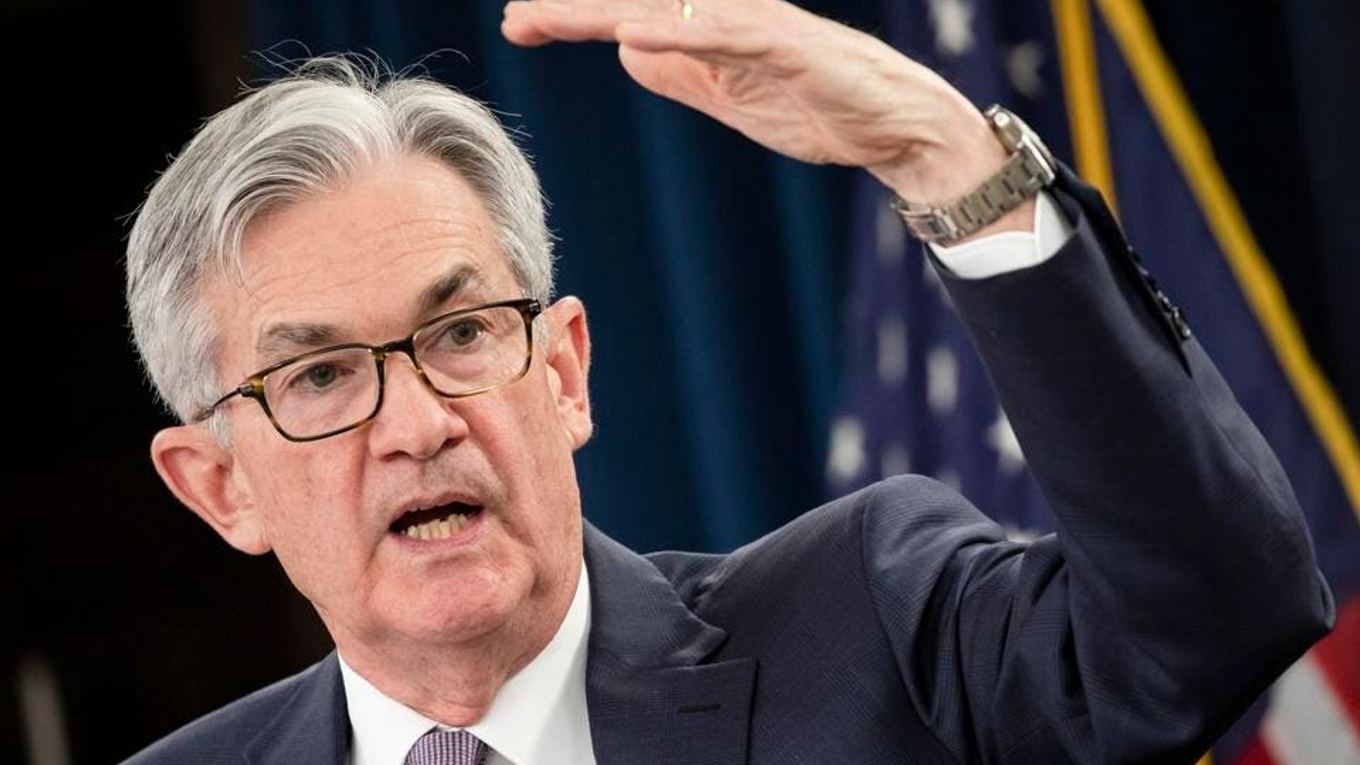
Brent crude fell 5.9% on Monday to settle at $92.57 a barrel, a drop the Federal Reserve cannot ignore. Energy drove inflation to 3.7% in September, the month the Fed raised rates. If the price of the cause keeps falling, the case for another rise in December gets weaker. Traders have looked at the same fall and concluded the opposite.
The test arrives at 8:30am in New York, 1:30pm in London, when the Bureau of Labor Statistics publishes consumer prices for October. It is the last major inflation reading before the Fed meets on 8 and 9 December.
The shock the Fed is chasing
September's report was the Fed's justification in one number. Consumer prices rose 0.6% in the month and 3.7% over the year, up from 3.4% in August, the BLS said on 14 October. Gasoline rose 9.1% in the month and accounted for more than half of the monthly increase. Energy prices were up 20.4% on the year.
Strip out food and energy and the picture is calmer: core prices rose 0.3% in the month and 2.6% over the year. That gap makes oil central to the December decision.
The Fed raised its target range by a quarter-point to 3.75%-4% on 16 September, in a unanimous 12-0 vote. On 28 October it held, 10-2. Lisa Cook and Beth Hammack dissented, preferring another quarter-point rise. The October statement said inflation "remains elevated" and made no mention of energy.
What oil just did
Brent dropped on reports that Washington and Tehran are edging towards a deal. Al Arabiya, citing unnamed sources, reported that a Qatari-Pakistani mediation plan had revived nuclear talks and that the US might let Iran keep enriching uranium to 3.67%. Neither government has confirmed it, and Secretary of State Marco Rubio has called some Iranian demands "outrageous and ridiculous".
The fall came even as Saudi Arabia's energy ministry said its East-West pipeline, which lets it export crude via the Red Sea and bypass the Strait of Hormuz, was attacked near Medina. The ministry reported a limited fire, no casualties and no disruption to flows. Brent had already dropped almost 9% the previous Wednesday and was trading around $91 on the morning of 10 November, with US crude near $85.
Oil traders are leaning the same way. Traders put the chance that US crude touches $80 at some point in November at 63.5%, up 27 points in a day. The chance it climbs back to $100 has fallen to 22.5% from 90% a week ago. Each rests on under $70,000 of trading, so the direction matters more than the decimals.
The rate market is not moving with it
If oil were the whole story, the December hike would be shrinking. It is not. Traders put the chance of a quarter-point rise on 9 December at 79.5% as of 10 November, up 7 points in a week. The chance of no change is 18.5%, down 7 points. Separately, traders give 82.5% to at least one more rise before the year ends, and 80% to two rises in 2026 in total. With September's rise already in the books, those are nearly the same bet as the December hike.
Oil fell hard in the past week and the hike odds still rose. That suggests traders think cheaper crude is too late, or too fragile, to change the Fed's mind. A pipeline attack in the same news cycle as a peace headline shows how quickly the move could reverse.
There is also a timing problem. Pump prices follow crude with a lag, so a drop on 9 November will barely register in October's report. Trading Economics forecasts a monthly rise of about 0.3% in the headline and 0.2% in core, with gasoline falling about 0.9%. That would be a clear improvement on September, but not proof that inflation is beaten.
The case for the Fed standing down
The strongest argument for restraint is that energy-driven inflation is the kind central banks are meant to look through. If the peace talks hold and crude settles in the low $80s, headline inflation will fall back without help from policy.
Core inflation of 2.6% supports that view. Hammack, who dissented in October, argued on 5 November for gradual rises. Her case depends on inflation staying high, and a soft October report would take some of the force out of it.
For the market to be wrong, three things would need to line up: a core reading at or below 0.2%, crude holding below $85, and a hawk wavering. The 18.5% chance of no change is the market's allowance for that.
What it means for markets, business and policy
Markets A soft report that leaves the December hike above 70% would suggest traders have already made up their minds. A hot core number would push it towards 90% and add to pressure on shorter-dated Treasury yields. A fall below 60% would be the first sign oil is winning.
Stocks and sectors Falling crude helps airlines such as Delta and United, whose fares rose 22.4% over the year in the September data, and hurts oil producers such as Exxon. A December hike keeps pressure on rate-sensitive housebuilders such as D.R. Horton and Lennar.
XOMDALUALDHILENBusiness Fuel and freight costs should ease first, but borrowing costs will not if the Fed rises again. Companies refinancing before year end may face policy rates a quarter-point above the current 3.75%-4%.
Policy A Fed that hikes into falling oil would be acting on the second-round effects of the shock, not the shock itself. That is a harder message to defend if headline inflation is already turning down.
What to watch
The October CPI at 8:30am in New York on 10 November. Because the BLS collected no October 2025 prices during last year's shutdown, a 12-month figure for October may not be published, which would make the monthly numbers the ones that count. Then the Fed's 8-9 December meeting, and whether Brent stays under $90 while Washington and Tehran keep talking.
Oil may have given the Fed a way out. For now the market sees a Fed that has already decided not to use it.