Trump wants a "permanent" deal with Iran. Tehran will not discuss its nuclear programme until the blockade lifts
Future Times5 min read
In 30 seconds
Traders give a signed US-Iran deal by year end about 4%, and an announced end to the US blockade by 31 December 14%, rising to 46% by the end of March. The talk is of a settlement. The pricing is of a long stand-off.
- Iran's terms come first: lift the blockade, unfreeze assets and end oil sanctions before nuclear talks begin
- Even if the blockade ends, traders give Hormuz traffic only a 3% chance of returning to normal this year
- The Israel-Iran truce is the swing factor: 74% to hold to 15 December, while a new US-Israeli assault is under discussion
What it means
- MarketsOil traders are treating the blockade as a lasting condition, not a crisis about to end.
- Stocks and sectorsTanker owners such as Frontline, DHT and Scorpio Tankers face months more of rerouting, attacks and war-risk premiums.
- BusinessFor refiners and shippers that depend on Gulf crude, the pricing points to restricted Hormuz access at least until the…
- GeopoliticsGulf states hosting US forces, Bahrain and Kuwait above all, carry the cost of a stand-off neither side is pricing as…
What to watch
- 30 NovThe 30 November and 15 December dates test the ceasefire and the blockade together
- 15 DecThe 30 November and 15 December dates test the ceasefire and the blockade together
The odds
Polymarket · live, 11:55 GMTUS announces end of Iran blockade by 31 December
down 1 point over 7dfrom 14% a week ago14% when this was published
What would move these odds
- A Qatari-brokered package that trades blockade relief for Hormuz access would lift the odds sharply
- More tanker strikes or Iranian attacks in Bahrain and Kuwait would push them lower
- A new US-Israeli strike on Iran before Christmas would all but close the door on a 2026 announcement
Now · 13%
Think the market's wrong? Add your forecast and see who's closer.
- US announces end of Iranian blockade by March 3148%up 2 points
- US-Iran Final Nuclear Deal by…: December 313%down 1 point
- US announces end of Iranian blockade by November 301%down 3 points
"I'm going to make a deal that is going to be permanent," Donald Trump said in a telephone interview with Fox News on Saturday 21 November. The agreement he has in mind would be built to survive his successors, so that "an incompetent president in four years or 15 years or 20 years" could not let Iran build a bomb.
It was the warmest language on a settlement in days of mixed signals. In an interview with Israel's Channel 12, reported on 20 November, he said he was "not rushing to make any decisions on Iran" and would "see what happens after the new year starts". On Friday he told reporters at the White House that he wanted a "real deal", not a "fake" one.
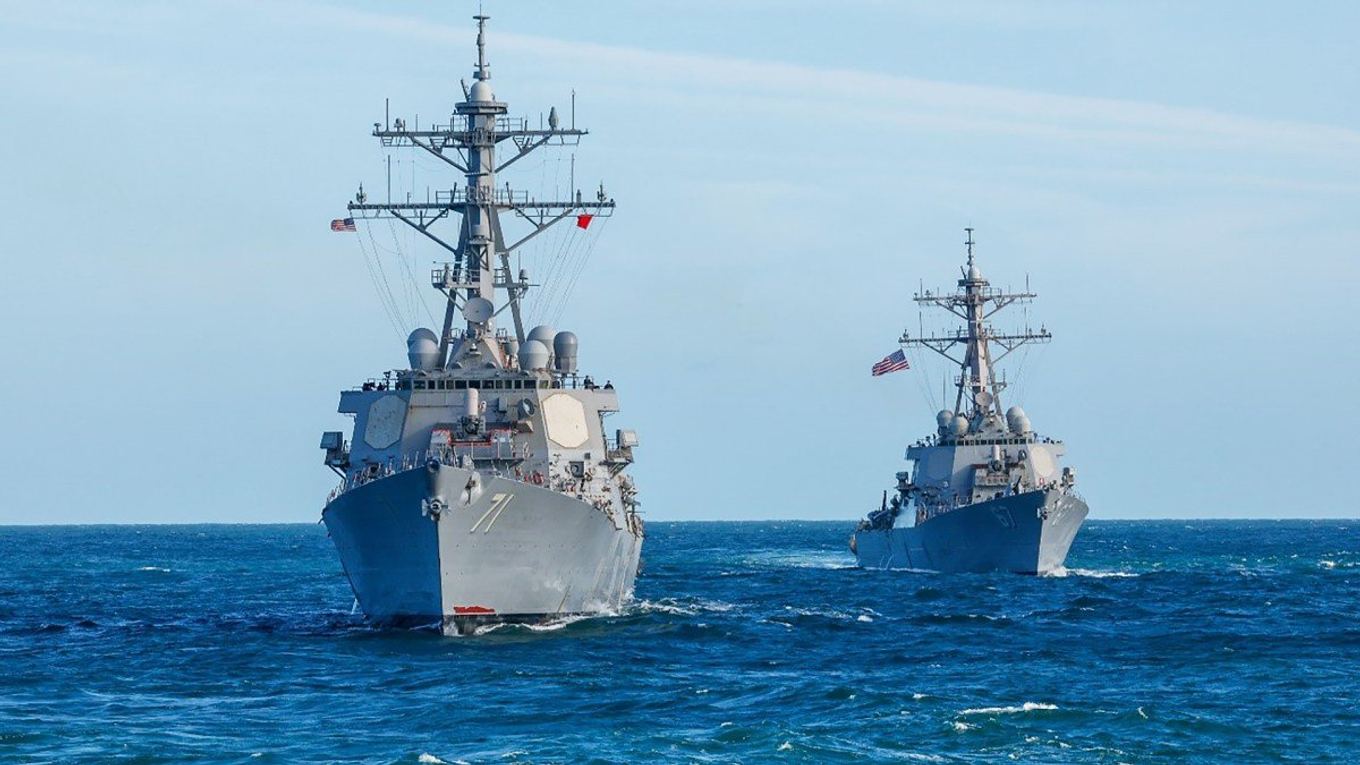
Traders were not moved. On the morning of 22 November they gave a signed US-Iran final agreement by 31 December a 4.1% chance, down 3.4 points in a week. They put the chance that Washington formally announces an end to its naval blockade of Iran by the same date at 14%, five points lower than a week ago. The word "permanent" describes what Trump wants. The prices describe how long traders think it will take.
A deal that starts where Iran says it cannot
The gap between rhetoric and pricing comes down to sequencing. Trump is talking about a nuclear settlement. Tehran says the nuclear file comes last. Foreign Minister Abbas Araghchi has said that the blockade "must be lifted rationally" and that talks about the Strait of Hormuz are "pointless" while Iran's demands go unmet. Those demands include an end to the war on all fronts, the release of frozen assets and the lifting of oil sanctions. CBS News reports that Iran will not discuss its nuclear programme until the blockade ends and six other conditions are met.
Araghchi has also drawn a red line around keeping Iran's highly enriched uranium inside the country, although he said a "fair solution" remained possible. Messages are still passing through mediators: a Qatari delegation held two hours of talks in Tehran on Friday evening, a day after Trump's envoys Steve Witkoff and Jared Kushner met senior Qatari officials in Berlin.
The terms a "permanent" deal would need are exactly the ones traders consider least likely. They give a 2026 agreement that caps uranium enrichment for at least a year a 5.5% chance. Trump wants a deal to bind future presidents. Iran wants the economic siege lifted first.
Why traders see a blockade that outlasts the winter
The timeline traders are pricing is clear. A US announcement ending the blockade by 30 November sits at 3.7%, by 15 December at 8.5%, by 31 December at 14% and by 31 March at 46%. Even the March figure has fallen nine points since 15 November. On these numbers, the blockade is more likely than not to still be in force at the end of the first quarter of 2027.
That fits the administration's own clock. Treasury Secretary Scott Bessent has said the embargo will shrink Iran's economy by 25% by the end of March 2027. A White House expecting the pressure to compound until then has little reason to lift it early.
Trita Parsi of the Quincy Institute argued on Sunday that Trump will have to ease the blockade if he wants the war to wind down, perhaps gradually and quietly. A quiet easing would not be a formal announcement, which is what traders are pricing. If Parsi is right, the blockade could fade in practice before it ends on paper.
The ceasefire that matters is holding, for now
What traders do not expect is a wider war. They put the chance that the Israel-Iran ceasefire survives to 30 November at 90%, up five points on the day, and to 15 December at 74%. A US ground invasion of Iran before 2027 is priced at 5.5%.
That calm sits alongside heavy fighting at sea and in the Gulf states. Bahrain said an Iranian strike set fire to a civilian industrial site in Sitra on Saturday, the fourth attempted Iranian attack on the kingdom in about a week. Iran says it has shot down four US drones in 24 hours. At least 25 tankers have been hit in and around Hormuz in seven days, by Al Jazeera's count. Britain's UKMTO counted 263 transits from 12 to 18 November, against about 135 a day before the war.
Oil has absorbed it. Brent settled at $91.98 a barrel on Thursday 19 November and US crude at $83.21, its lowest since 26 August. Traders give Hormuz traffic only a 3% chance of returning to normal levels this year.
Where the market could be wrong
The strongest case against the pricing is that Trump can move fast. Qatar's mediation is active, Trump is now calling Iran's leadership more reasonable, and a formal announcement could come with little warning. The case for an even longer stand-off is just as concrete: sources told CBS News on Friday that the US and Israel are weighing a new assault on Iran, which would break the ceasefire traders still trust.
What it means for markets, business and geopolitics
Markets Oil traders are treating the blockade as a lasting condition, not a crisis about to end. A formal announcement would hit the war premium still built into crude, but traders give that only a one-in-seven chance before January.
Stocks and sectors Tanker owners such as Frontline, DHT and Scorpio Tankers face months more of rerouting, attacks and war-risk premiums. War-risk insurance has risen from 0.10-0.25% of a ship's value before the war to 3.5-7.5%, which keeps freight costs high for Gulf exporters.
FRODHTSTNGBusiness For refiners and shippers that depend on Gulf crude, the pricing points to restricted Hormuz access at least until the end of March 2027, whatever the language from Washington.
Geopolitics Gulf states hosting US forces, Bahrain and Kuwait above all, carry the cost of a stand-off neither side is pricing as short. That gives Qatar and other Gulf governments a stronger reason to push Washington for the quiet easing Parsi describes.
What to watch
The 30 November and 15 December dates test the ceasefire and the blockade together. Any announcement from the Qatari mediation, or a pause in Iranian attacks on Bahrain, would be the first sign that talk of a permanent deal has turned into a process. Until then, "permanent" is a word about the agreement Trump wants, not one he is close to signing.