Europe has won a seat at the Abu Dhabi talks. Almost nobody expects a ceasefire before the new year.
Paris says Europe will be in the room on Tuesday while Russian strikes cut power to hundreds of thousands. Traders see a 10% chance of a ceasefire by 31 December, rising only in the spring.
Future Times5 min read
The odds
Polymarket · live, 03:22 GMTRussia-Ukraine ceasefire by 31 December
down 3 points over 7d10% when this was published
Now · 8%
Think the market's wrong? Add your forecast and see who's closer.
- Ukraine signs peace deal with Russia by December 31, 20268%down 1 point
- Russia x Ukraine ceasefire agreement by March 31, 202736%up 2 points
- Russia x Ukraine ceasefire agreement by June 30, 202755%up 2 points
Key points
- Traders put a ceasefire by 31 December at 10%, but 35.5% by 31 March
- The chance of a ceasefire passes 50% only around mid-2027
- Concessions on territory, NATO and guarantees all sit under 8% this year
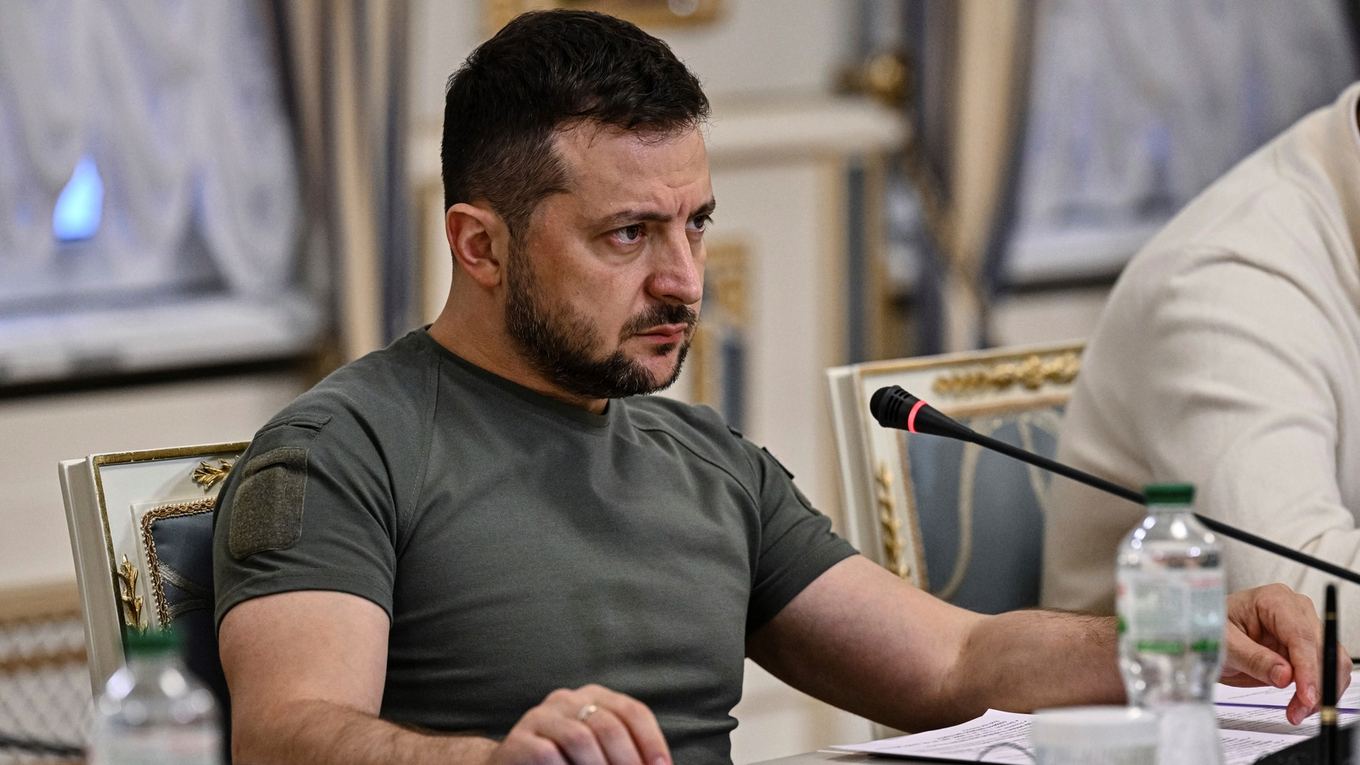
"The Europeans will be represented and France will be in Abu Dhabi to take part in these talks," French Foreign Minister Jean-Noël Barrot said on Sunday. The same day, Russian strikes cut power to more than 600,000 people in the Dnipropetrovsk region of eastern Ukraine, with a further 250,000 in the dark in Kharkiv.
Those two facts frame the diplomacy ahead. US-mediated talks between Russia and Ukraine open in Abu Dhabi on Tuesday 10 November and run for two days. They are the first such round since February. Traders are not expecting them to end the war any time soon.
A seat at the table, but not at the negotiation
Barrot, speaking on French radio, said he would not himself sit at the negotiating table and could not yet say who would represent France. He said no agreement with "consequences for the European security architecture" could be designed without Europe. Past rounds were trilateral, with officials from Ukraine, Russia and the United States. Russia has suggested there is no place for European representatives.
The diplomatic backdrop is unusual. On Thursday US, European, Ukrainian and NATO officials met in Brussels, and the US envoy Jared Kushner, who joined by video link, said Washington would consult closely with European partners. He described "productive and substantive discussions" on security guarantees for Ukraine and a "broader European security architecture". The same day President Donald Trump said he had met privately with Kirill Dmitriev, Russia's envoy, and that a deal "might involve all of Europe". He gave no details, and Barrot said he did not know what Trump had in mind.
Ukrainian President Volodymyr Zelensky wants European allies involved.
Bombs before talks
The strikes are part of a pattern. On Saturday Zelensky said Russia had fired 172 drones and 36 ballistic missiles overnight, and that Ukraine intercepted only four of the missiles. He accused Moscow of trying to "lay the groundwork for putting pressure on Ukraine's position" before the talks. Russia's defence ministry says it will keep striking fuel and energy targets, which it says support Ukraine's military.
A six-day local truce around the occupied town of Oleshky has expired, and a Russian strike on an aid distribution point in Zaporizhzhia region killed at least 50 people, according to Ukraine's emergency service.
What traders expect
Traders put the chance of a Russia-Ukraine ceasefire by 31 December at 10% (as of 8 November), unchanged on the week. The chance that Ukraine signs a peace deal with Russia by the same date is 7.5%.
The more interesting number is the next one. The chance of a ceasefire agreement by 31 March 2027 is 35.5%, up 2 points in a week. By 30 June it is 53.5%, and by the end of 2027 it is 70%. Read together, the prices say that a ceasefire becomes more likely than not around the middle of next year, and that the market sees the winter, not Tuesday's round, as the period in which the positions harden or soften. The jump from 10% to 35.5% between the end of this year and the end of March is the largest single step on the timeline.
The 70% figure for the end of 2027 rests on only $60,000 of trading, so it deserves less weight. Even so, a 30% chance of no ceasefire agreement by then is a sobering reading of a war in its fifth year.
The price of a deal
The concessions that would have to come with an agreement sit at low levels. Traders give 4.4% to Ukraine agreeing to cede territory to Russia by 31 December, down 1.1 points in a week. They give 7.5% to Ukraine agreeing not to join NATO this year, and 7.5% to a European country agreeing to give Ukraine a security guarantee.
The NATO figure has moved most: it was 3.7% a week ago. That is consistent with some traders reading Kushner's talk of a wider security settlement as a sign that alliance membership is on the table. It is still a small number.
One consistency check is worth making. A ceasefire by year end is priced only 2.5 points above a signed peace deal. That implies traders see almost no route to a halt in fighting that does not come bundled with a wider agreement. Any early ceasefire would therefore need movement on exactly the questions where the market sees the least give.
Why the market could be wrong
The strongest case against the caution is Trump himself. He has called a deal imminent, a Putin-Trump-Xi meeting is being prepared for the APEC summit in Shenzhen later this month, according to the Kremlin, and Washington is plainly willing to push both sides. If Moscow wants relief from the pressure of a US pivot, or Kyiv fears the loss of American support over winter, a ceasefire could arrive far sooner than 10% implies.
Against that, the strikes on the grid are the opposite of conciliatory, Russia has not accepted a European role, and diplomacy has stalled since February. A ceasefire before 31 December would need a surprise on all three.
What it means for markets, business and politics
Geopolitics Europe's presence in Abu Dhabi matters more for what it blocks than what it delivers. A deal covering "European security architecture" cannot be settled bilaterally between Washington and Moscow without a visible European veto, and Russia's objection to a European seat is the first test of that.
Politics The war is a live issue in the 2027 French presidential race. Marine Le Pen, who leads the polls, has said she would end French financial aid to Ukraine, about €6bn a year. A ceasefire later than spring makes it likelier the ballot box decides the issue first.
Energy and defence With a ceasefire unlikely before March, power cuts are likely to continue through the coldest months. Zelensky has cited a shortage of Patriot interceptors, and a long timeline sustains demand for air defence and grid repair.
Markets Reconstruction and ceasefire trades that assume peace this year are running ahead of the evidence. A move in the March and June prices, rather than in the December ones, is the signal to watch.
What to watch
The talks open on Tuesday 10 November and end on Wednesday. Watch for who represents Europe, whether Russia accepts a European presence, and any announcement of a second round. A rise in the 31 March ceasefire price above 45% would suggest traders see a real shift. The APEC summit in Shenzhen later in November is the next chance for a leaders' meeting.
Europe has its seat. Whether it gets a say is a different matter.