The Strait of Hormuz Is Already Closed in the Market's Mind
Future Times4 min read
In 30 seconds
Iran is acting as gatekeeper of the world's most important oil chokepoint, and prediction markets say the disruption will last at least through April.
The odds
Polymarket · when published, 31 Mar 2026Hormuz traffic normal by April 30
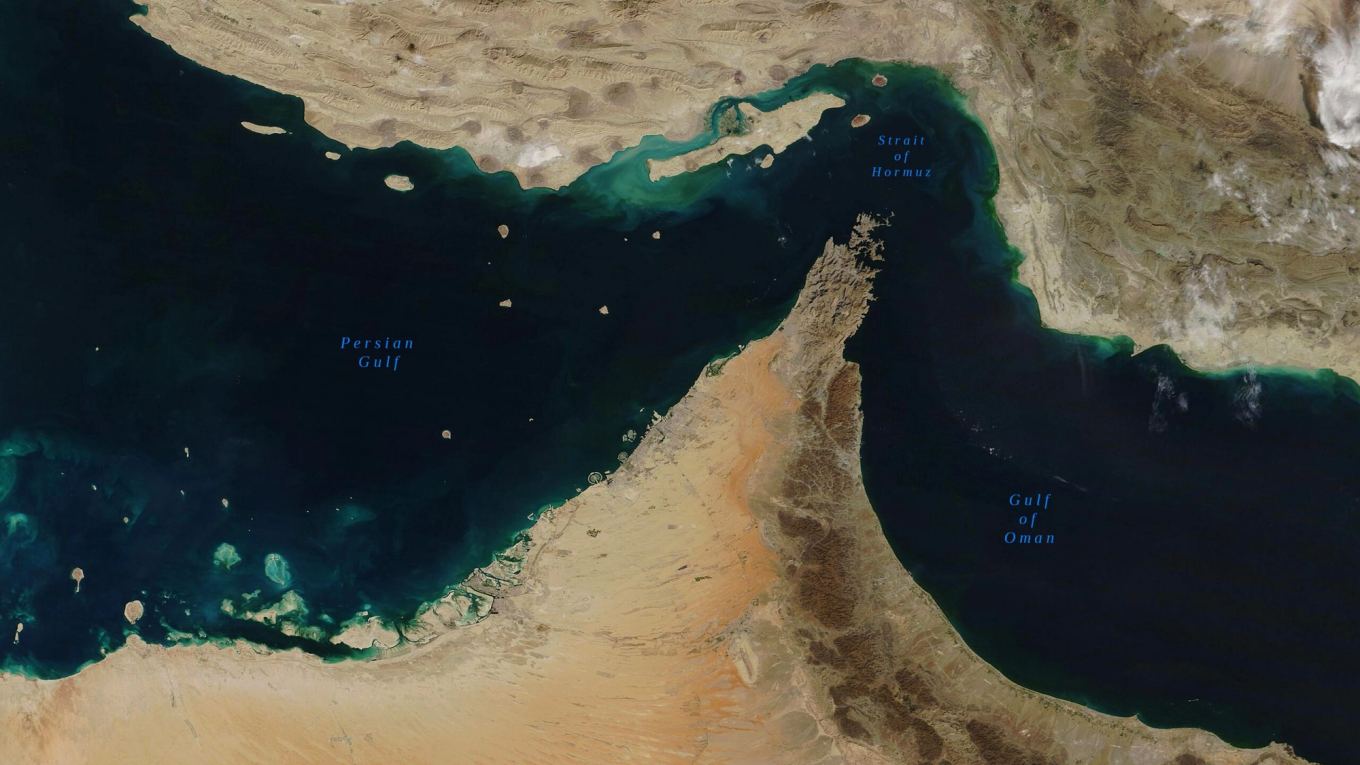
On day 32 of US-Israeli strikes on Iran, the Strait of Hormuz has become the war's central economic battleground. A quarter of the world's seaborne oil trade and a fifth of its liquefied natural gas passes through the 104-mile waterway between the Persian Gulf and the Gulf of Oman. Iran has not formally closed it. It does not need to. The New York Times reported on Monday that Tehran is acting as "gatekeeper" of the strait, using tanker strikes and proximity threats to impose a de facto partial blockade that achieves the economic leverage of closure without the diplomatic cost of announcing one.
Al Jazeera published "Three scenarios for the Strait of Hormuz" on Monday, laying out the possibilities: full closure, sustained partial disruption, or rapid resolution through diplomatic pressure. The framing presents each as an open question. Prediction markets have already answered it. On Polymarket, traders assign only an 18% probability that Hormuz traffic returns to normal by the end of April. The inverse is the number that matters: an 82% implied chance that disruption continues through the month.
That figure sits alongside two connected signals. Traders price a 60% chance that US forces enter Iran by April 30, backed by $2.5 million in 24-hour trading volume. A separate market puts the probability that Israel strikes three distinct countries in 2026 at 14%. Taken together, the picture is not of a crisis that might escalate. It is of one where escalation is the base case and resolution is the tail risk.
The White House appears to disagree. Time Magazine reported on Monday that administration officials described the reopening of Hormuz as "not vital to ending the Iran war." Secretary of State Marco Rubio told Al Jazeera on Sunday that the strait would reopen "one way or another." The language suggests Washington views Hormuz as a secondary concern, a problem that resolves itself once the broader conflict winds down.
The IMF sees it differently. On Monday, the fund warned that Britain faces "one of the largest shocks" from the Iran war energy crisis. The UK is heavily dependent on LNG imports, much of which transits through Hormuz, and its exposure to a sustained disruption mirrors the dynamics of the 2022 gas crisis triggered by Russia's invasion of Ukraine. UK government bonds are already registering the stress: gilts are having their worst month since the Truss-era selloff of late 2022, when a combination of energy prices and fiscal panic forced the Bank of England into emergency intervention.
The historical parallel is instructive. During the Iran-Iraq War of the 1980s, the two countries launched 451 attacks on merchant vessels in what became known as the Tanker War. The Strait of Hormuz was never formally closed. It did not need to be. Insurance costs surged, shipping rerouted where possible, and the United States eventually deployed a naval escort operation to keep tankers moving. The strait was operationally degraded for seven years. The lesson from that episode is that the distinction between "closed" and "disrupted" is largely academic for anyone pricing energy risk.
This is the gap that mainstream coverage has not fully closed. Al Jazeera frames the future of Hormuz as a set of scenarios. The bond market in London is already pricing the consequences of the most likely one. The White House says reopening the strait is not a priority. Prediction markets, with 82% disruption odds on Polymarket as of March 31, are pricing against that position explicitly. The IMF is siding with the market, not the administration.
For professional readers watching energy exposure, the signal is straightforward. The debate over whether Hormuz will close is the wrong debate. The market has moved past it. The question now is how long partial disruption lasts and which economies absorb the cost. Britain's gilt market suggests the answer is already arriving.