US jets hit Iran's Qeshm Island after drone attacks on Bahrain and Kuwait, and hopes of a pause are fading
Future Times2 min read
In 30 seconds
Washington answered Iran's latest drone raid on a US radar in Bahrain with strikes on a Revolutionary Guard missile site. Traders have slashed the chance of a pause this month, but still see little prospect of a wider war.
- The US struck a Revolutionary Guard missile site on Qeshm after Iranian drones targeted a US radar in Bahrain
- Traders now give a two-week US-Iran pause by 30 November about even odds, down 24 points in a day
- Traders still put a US invasion of Iran before 2027 at 7.5%, unchanged on the week
The odds
Polymarket · live, 09:54 GMTUS-Iran ceasefire begins by 30 November
up 33 points over 7dfrom 53% a week ago53% when this was published
What would move these odds
- A fourth Iranian strike on US forces in Bahrain or Kuwait, or a fresh US strike on Iranian soil, would push the odds lower
- Progress in Qatari and Omani mediation, or a resumption of US-Iran talks, would push them higher
- A strike that causes US casualties would test whether either side wants to escalate
Now · 86%
Think the market's wrong? Add your forecast and see who's closer.
- US x Iran Effective Ceasefire begins by...? (2 week pause): November 2281%up 47 points
- US x Iran Effective Ceasefire begins by...? (2 week pause): December 3194%up 20 points
- Will the U.S. invade Iran before 20275%down 1 point
US fighter jets struck a Revolutionary Guard missile-launch site on Iran's Qeshm Island in the Strait of Hormuz on Tuesday, hours after Iranian drones targeted a US radar at Sheikh Isa Air Base in Bahrain. It was Washington's answer to a third Iranian attack on US forces in Bahrain in five days, and Tehran fired again at Bahrain and Kuwait overnight.
A US military official called the strike "part of a self-defense operation" against "aggression by the IRGC targeting US service members and US assets". Central Command said the drones aimed at the radar were intercepted, with "no damage to US equipment and no injuries to American personnel". Ahmad Nafisi, a deputy governor of Hormozgan province, said the US attack "caused no damage to residential, commercial, or infrastructural areas".
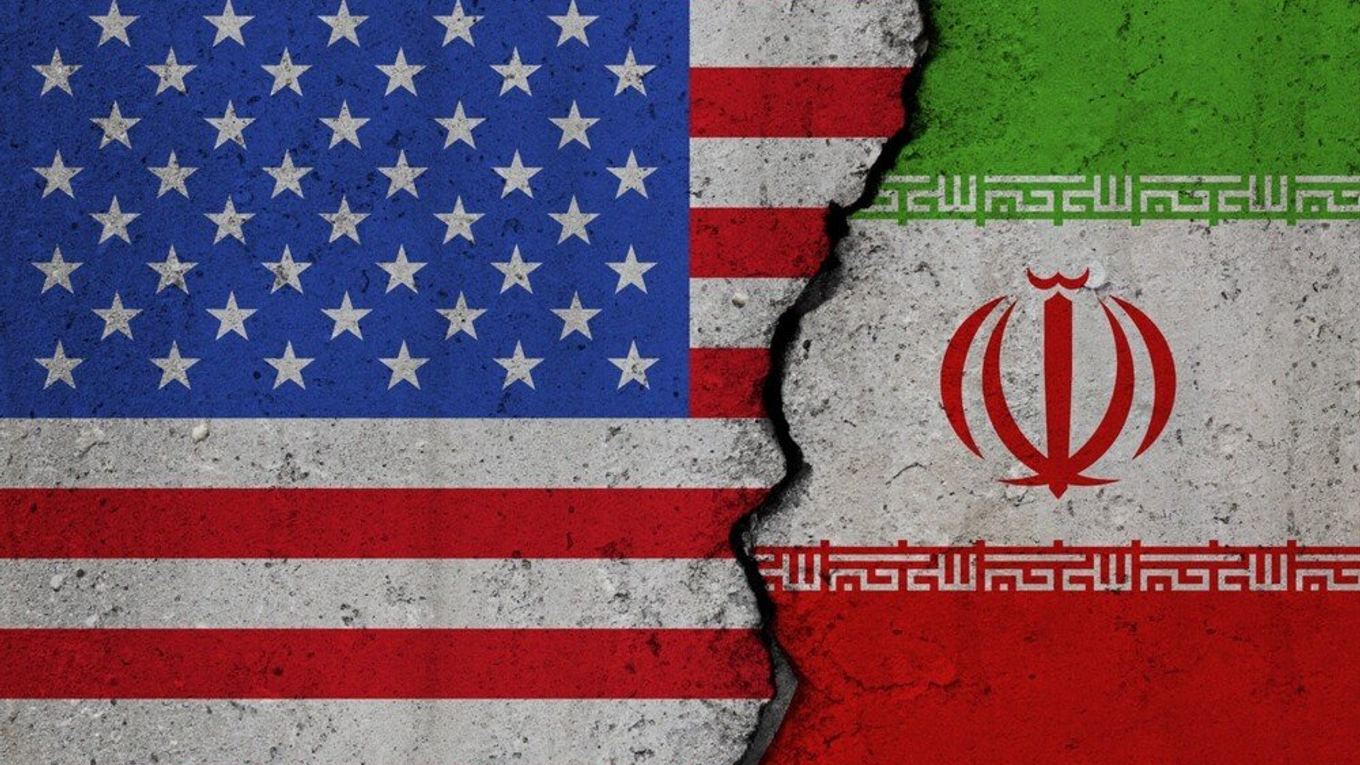
Early on Wednesday Bahrain's defence force said it had intercepted further Iranian attacks, and Kuwait's army said its air defences were countering hostile drones. Iranian state television said its drones had targeted Patriot air-defence batteries at Kuwait's Ali Al-Salem Air Base. The US last hit Qeshm on 2 November, an attack President Donald Trump called "minor". In Manila on Tuesday, asked about a reported Iranian plot to set off a dirty bomb in Washington, Trump said: "we take it very seriously — because they happen to be crazy." The White House said there were "no credible threats to the homeland".
Traders have marked down the chance of a quick pause. As of 18 November they give 52.5% to an effective two-week US-Iran ceasefire beginning by 30 November, down 24 points in a day, and 41% to one by 22 November, down 30 points. By 31 December the figure is 67.5%, down 15 points.
They still do not expect a wider war. The chance of a US invasion of Iran before 2027 is 7.5%, flat on the week, and traders give 84.5% to the Israel-Iran ceasefire holding through 30 November.
Why it matters
- Geopolitics: Iran has now drawn Kuwait as well as Bahrain into its campaign against US bases, and Washington has shown it will hit back on Iranian territory. Each exchange makes a pause harder to arrange, even with Qatar and Oman mediating.
- Markets: Traders still expect a pause before the year is out. Oil prices should therefore keep tracking incidents in the strait rather than the risk of an all-out war.
- Politics: The dirty-bomb allegation, and Trump's warning of "a price the likes of which no country has ever paid", give Washington less room to hold back if a drone gets through.